We may earn money or products from the companies mentioned in this post. This means if you click on the link and purchase the item, I will receive a small commission at no extra cost to you ... you're just helping re-supply our family's travel fund.

Skiplagging, also called hidden-city ticketing, thrives in the gap between airline pricing logic and traveler sticker shock. What looks like a harmless early exit can register as a deliberate attempt to dodge fare rules, and carriers have learned to spot patterns across bookings. The crackdown is rarely dramatic at first. It often arrives as a canceled return, a repriced itinerary, a frozen loyalty account, or a quiet note that future travel is no longer welcome. Across the industry, the trend points toward harsher penalties, including bans that can last for life.
United Airlines
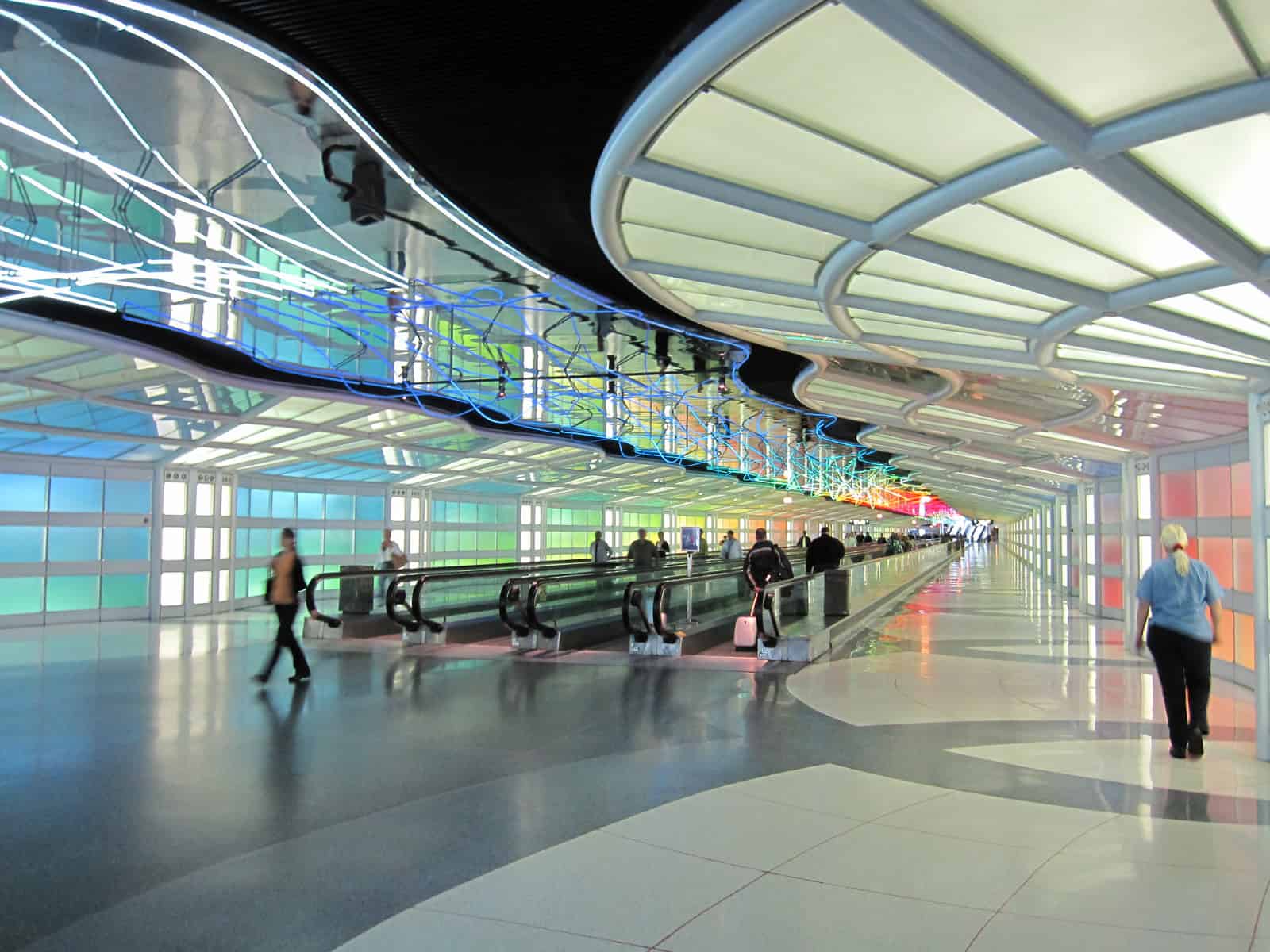
Skiplagging lands hardest on hub networks, and United draws a bright line around it because one missed segment can unravel a whole reservation record. Its Contract of Carriage calls hidden-city or point-beyond ticketing a prohibited practice, allowing the airline to cancel remaining segments, reprice the trip to the itinerary actually flown, pull back MileagePlus value, and void upgrades tied to the booking. Reporting on enforcement adds the sharpest consequence: when patterns look intentional, United may restrict future travel, including a permanent ban, and the fallout can surface at check-in as seats, bags and priority perks get reset too.
American Airlines
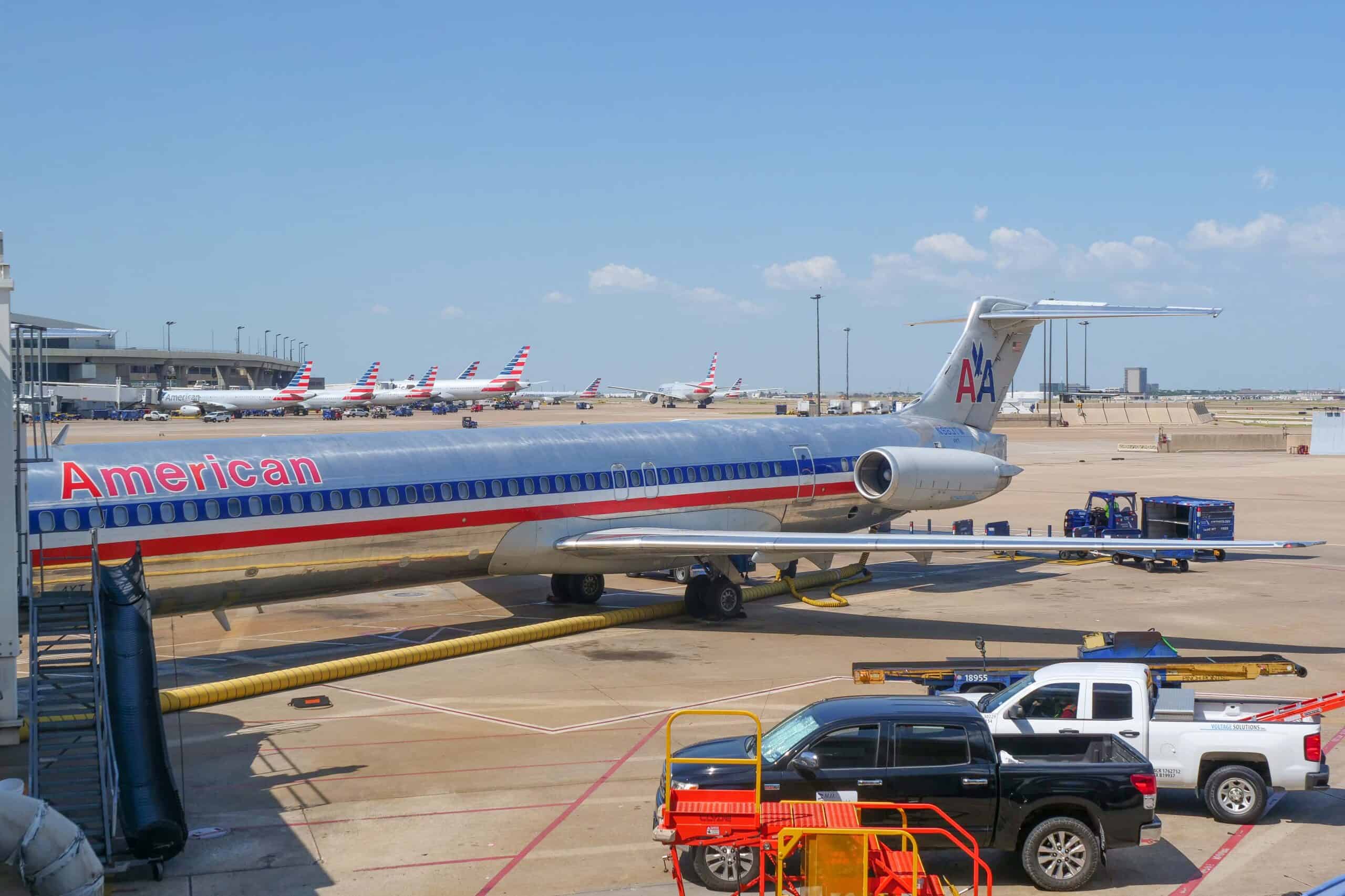
American treats skiplagging as a fare-rule violation, not a clever shortcut, and the consequences can surface at the gate with agents reading the booking history in real time. In its conditions, hidden-city ticketing is listed as a prohibited practice, and the airline can cancel remaining segments, reassess the fare based on the itinerary actually flown, pull back upgrades, and take action against AAdvantage benefits linked to the ticket. Public disputes have underscored the same message: repeated patterns can lead to repricing demands, mileage penalties, account shutdowns, and refusal of carriage that functions like a lifetime ban for years.
Delta Air Lines
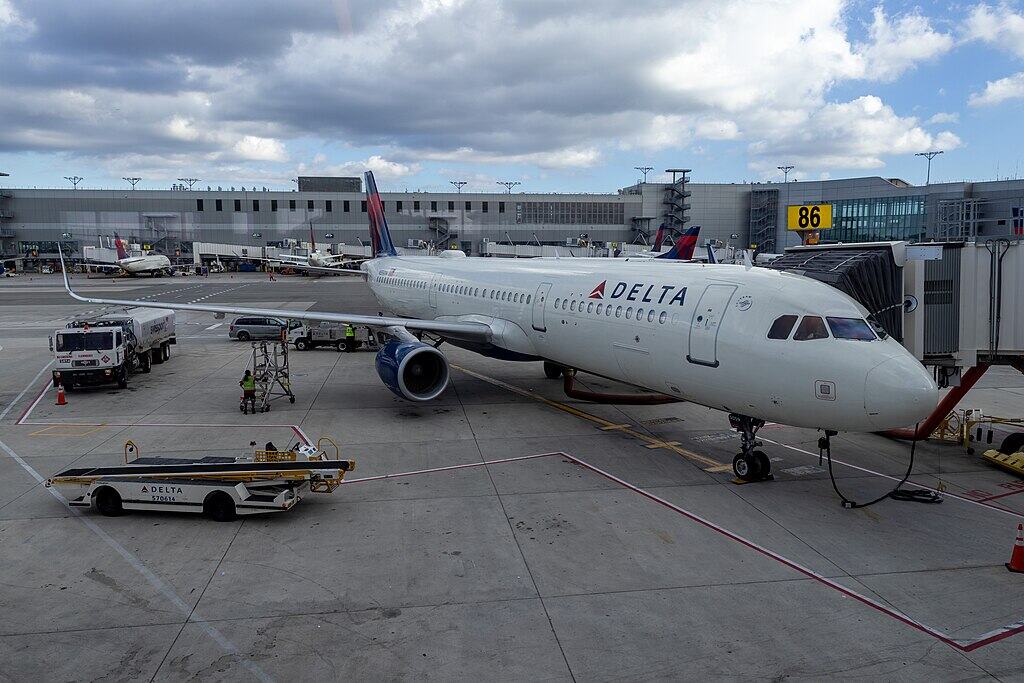
Delta folds skiplagging into a broader ban on tactics that undermine fare rules including throwaway, back-to-back, and hidden-city or point-beyond ticketing. When Delta believes an itinerary was purchased to be flown out of sequence, its contract language allows coupon cancellation, repricing to match travel actually taken and refusal of boarding turning a cheap connection into a costly recalculation and voiding later legs. Because so much of the Delta experience is tied to loyalty status, repeat behavior can invite mileage clawbacks, Medallion consequences, account restrictions, and long-term bans that quietly close the door on future trips.
Southwest Airlines
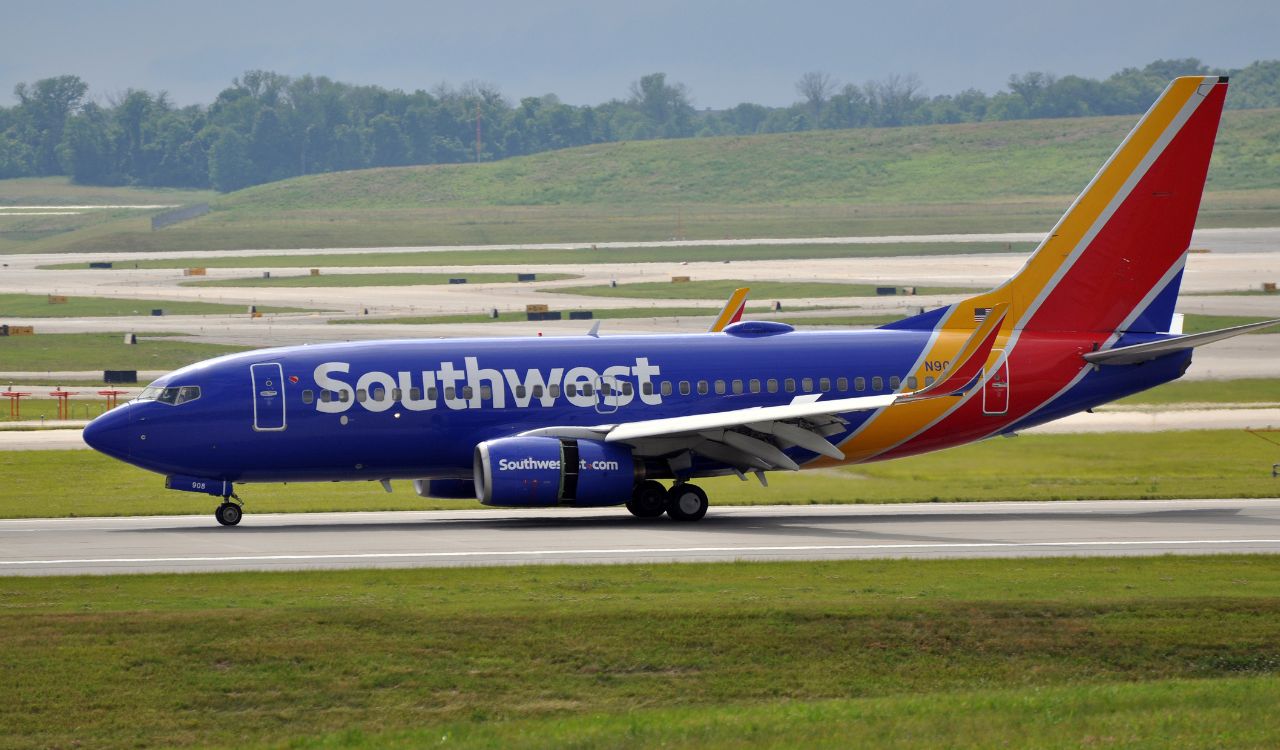
Southwest’s brand voice is friendly, but its Contract of Carriage is blunt about abusive bookings and fare manipulation behind the scenes. It lists hidden-city, throwaway, and back-to-back ticketing among prohibited practices, then details remedies such as canceling reservations, collecting additional fare, and refusing to transport; once a segment is skipped, later legs can disappear instantly. Southwest has also taken skiplagging fights to court, and its contract frames abusive patterns as “fictitious” bookings; in practice, that can mean losing the return, paying the fare differences, and facing bans that function like lifetime exclusions.
Frontier Airlines
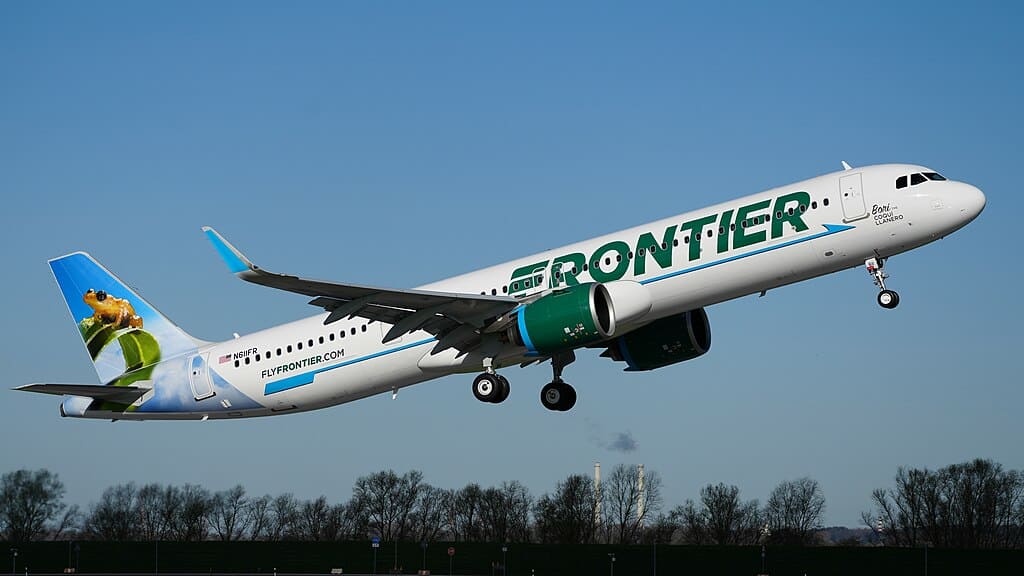
Frontier sells ultra-low fares but skiplagging runs into hard policy the moment a segment is intentionally skipped, especially when the connection city is the real goal. Industry reporting on carrier rules notes Frontier prohibits hidden-city and throwaway ticketing and reserves remedies such as canceling the remaining itinerary and charging the difference between the fare paid and the fare that matches travel actually taken. On an airline where bags, seats, and flexibility are often à la carte, that repricing can stack fees on top of the fare shock, and repeated patterns can bring loyalty freezes, customer flags, or bans that feel permanent.
Alaska Airlines
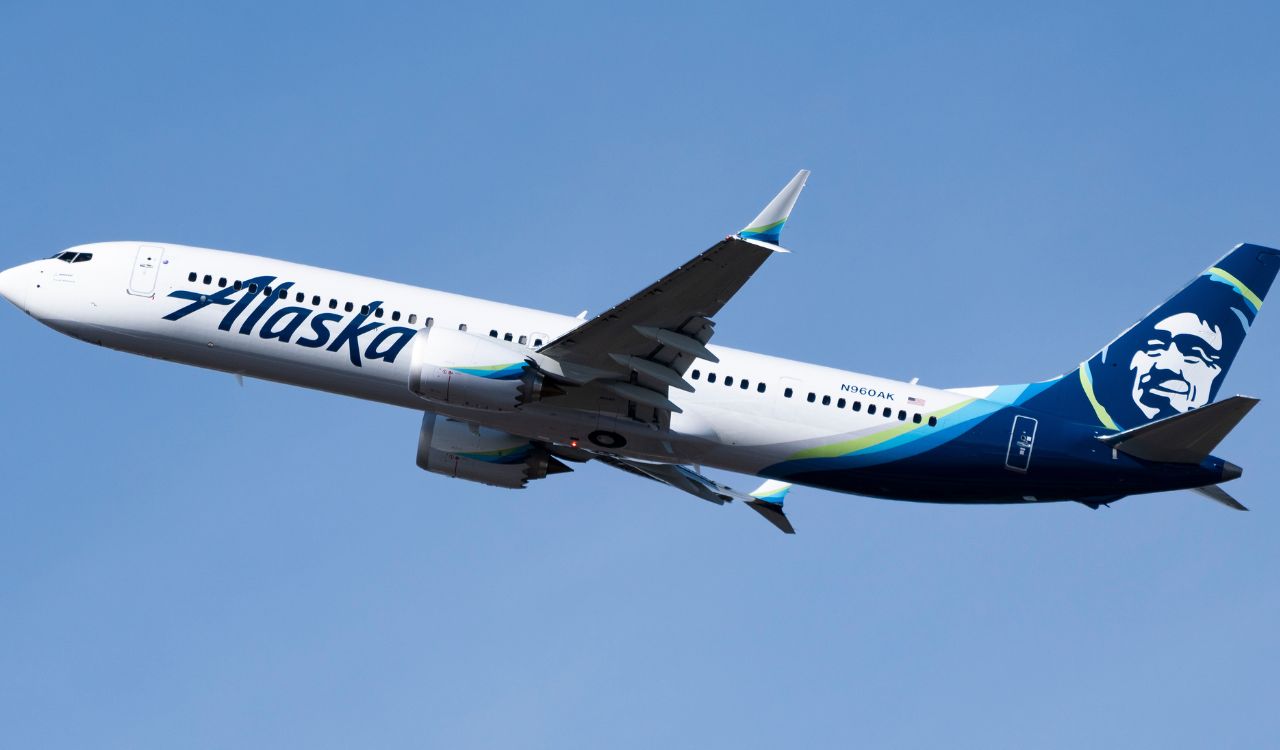
Alaska’s Contract of Carriage is direct: “Hidden Cities Ticketing” is prohibited, along with throwaway and back-to-back ticketing, a sharp note on routes built around Seattle connections. It lists remedies from canceling the remaining itinerary and collecting the fare difference to deleting miles, revoking status, and terminating Mileage Plan membership, even when the skipped leg is the final short hop home. It even reserves the right to pursue legal action, so repeat behavior can lead to refusal of carriage for years or permanently, with lounge access, upgrades, and partner credits vanishing overnight often with no refund and no appeal.
Hawaiian Airlines
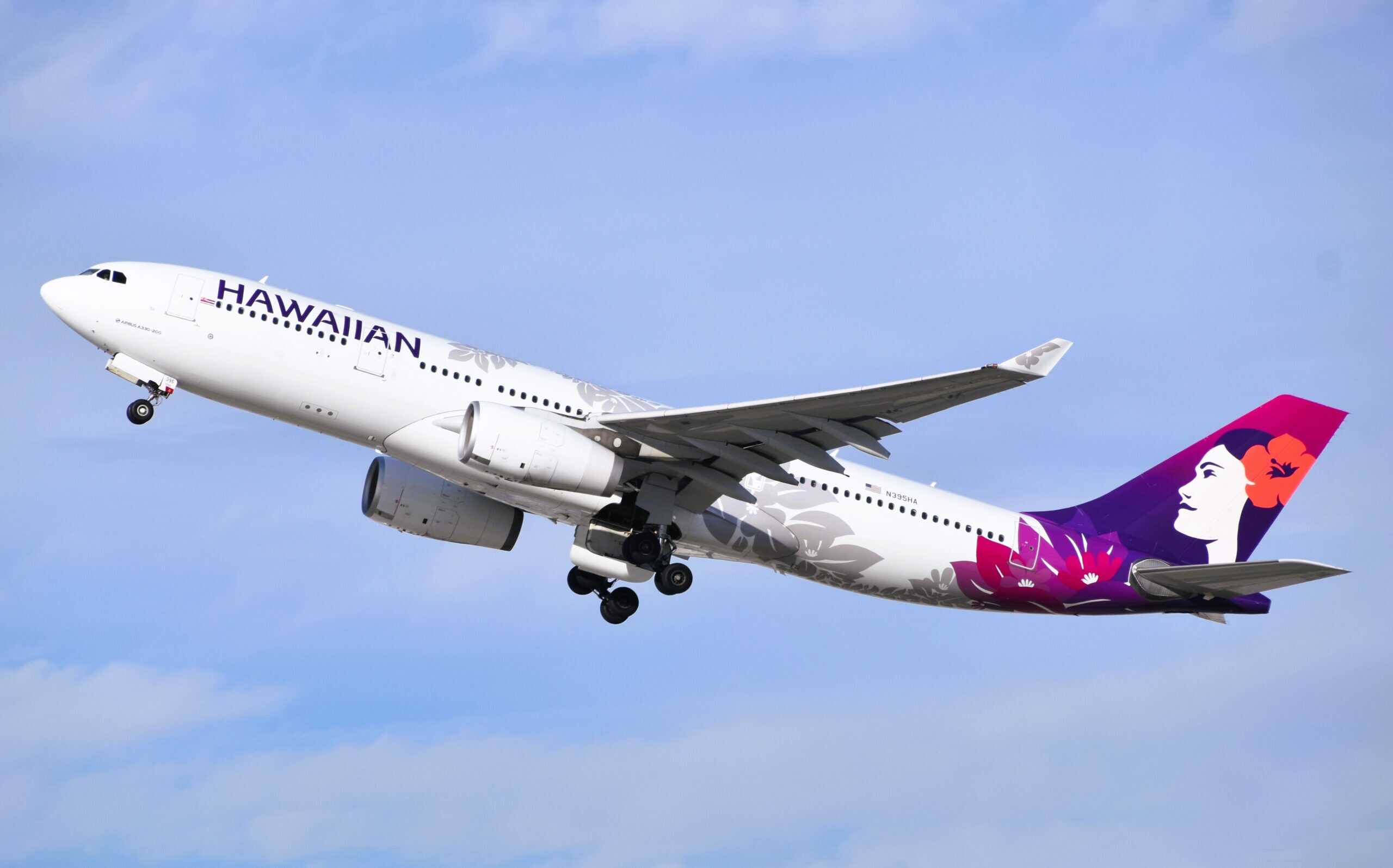
Hawaiian’s reputation is warm but skiplagging can collide with a strict view of fare integrity, especially on routes threading Honolulu to Maui, Kauai, or the Big Island where seats sell out fast. Industry reporting cites Hawaiian’s rule of denying transportation unless the traveler pays the fare difference when hidden-city behavior is detected, turning a planned island hop into a sudden gatehouse negotiation. Because checked bags follow the ticketed destination, not the stop where someone decides to exit, the shortcut can backfire fast, and repeat patterns can invite account flags and long-term restrictions that function like a lifetime ban.
Lufthansa
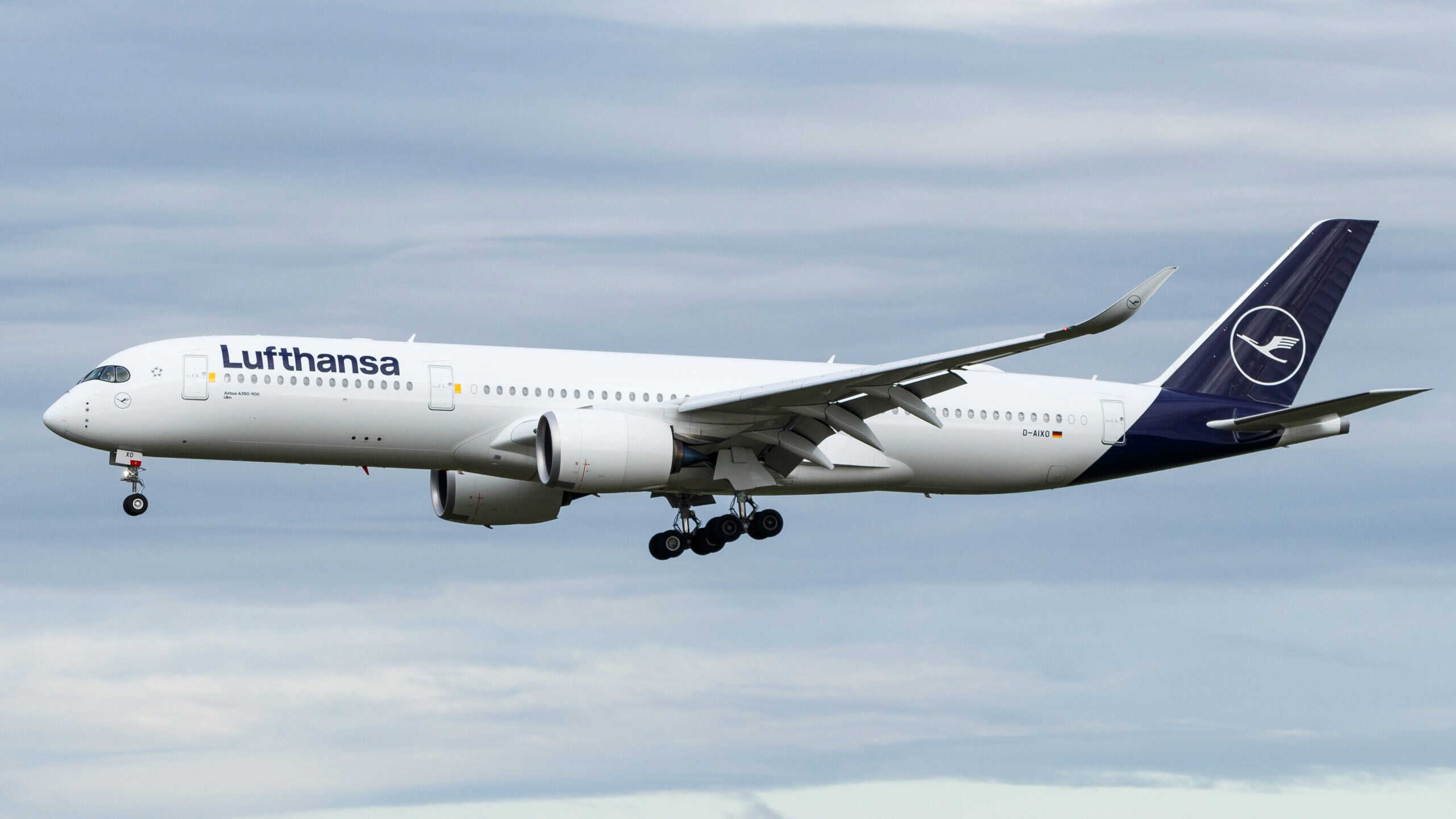
Lufthansa became a cautionary tale after it sued a passenger for skipping a final segment on an Oslo to Seattle itinerary routed via Frankfurt, seeking to recover the fare difference. The case, covered widely in 2019, spotlighted how seriously some European carriers treat sequence and fare integrity, even when the seat itself was paid for and the flier simply exited at the connection point. Although Lufthansa later withdrew the lawsuit, the signal lingered: skiplagging is treated as a contract breach that can trigger repricing demands, loyalty fallout, and refusal of carriage that functions like a lifetime ban when patterns repeat.
Air Canada
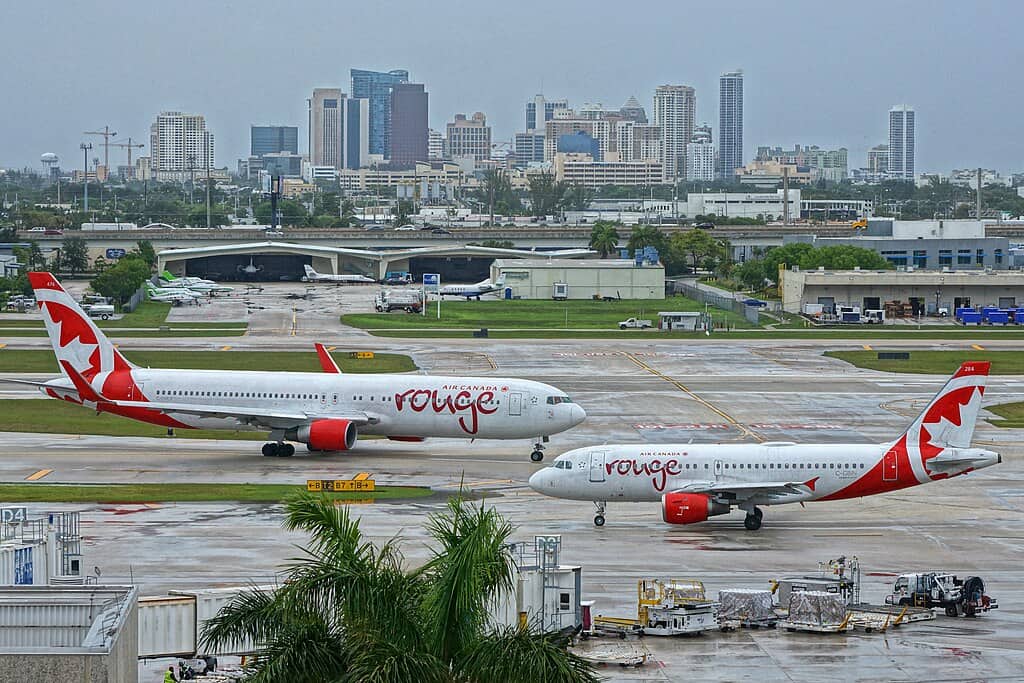
Air Canada’s tariff is direct, defining “Hidden City/Point Beyond Ticketing” as a prohibited practice used to obtain a lower fare, alongside throwaway and back-to-back ticketing. It gives Air Canada discretion to cancel remaining segments, confiscate unused coupons, refuse boarding or baggage check-in, and assess the fare difference to match the itinerary flown, even if the skipped leg was the final hop. In a system built on connections through Toronto, Vancouver, and Montréal, skiplagging can trigger a confrontation at check-in during peak travel banks, and repeat behavior can end with refusal of carriage that feels permanent with no refund.
Emirates
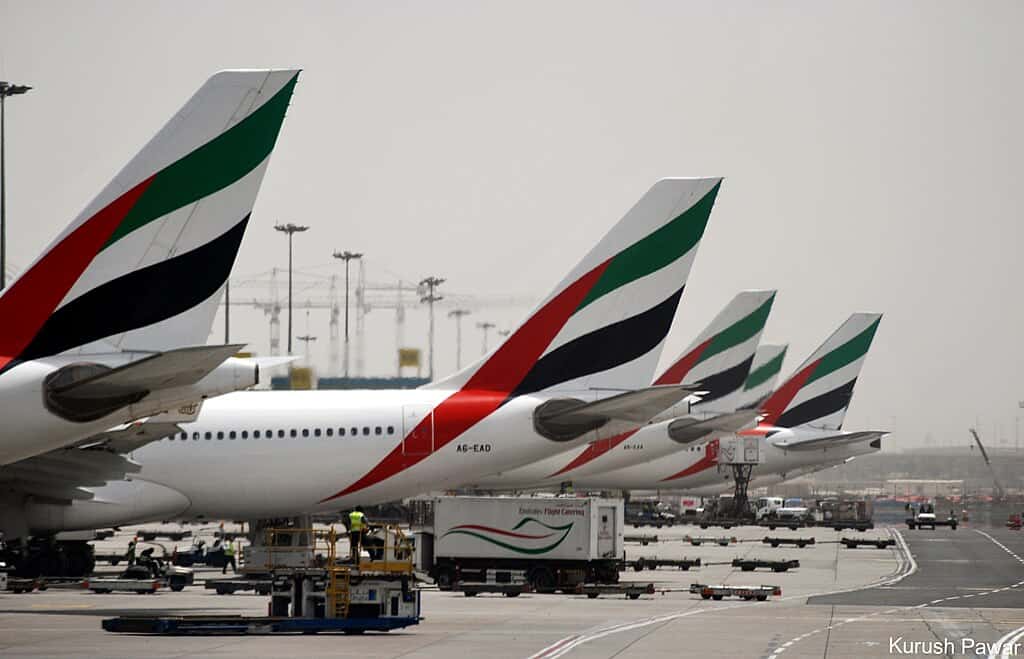
Emirates spells skiplagging out in its ticket rules: hidden-city or point-beyond ticketing, throwaway tickets, and back-to-back ticketing are specifically prohibited. If a ticket is invalidated, the tariff allows Emirates to cancel the remaining itinerary, confiscate unused coupons, refuse boarding or baggage acceptance, and charge the fare difference to align with actual travel right at check-in. On an airline built around tight connections through Dubai, one skipped leg can also scramble onward plans on partner flights and Skywards benefits tied to the record, and repeat behavior can lead to refusal of carriage that feels like a lifetime ban too.