We may earn money or products from the companies mentioned in this post. This means if you click on the link and purchase the item, I will receive a small commission at no extra cost to you ... you're just helping re-supply our family's travel fund.
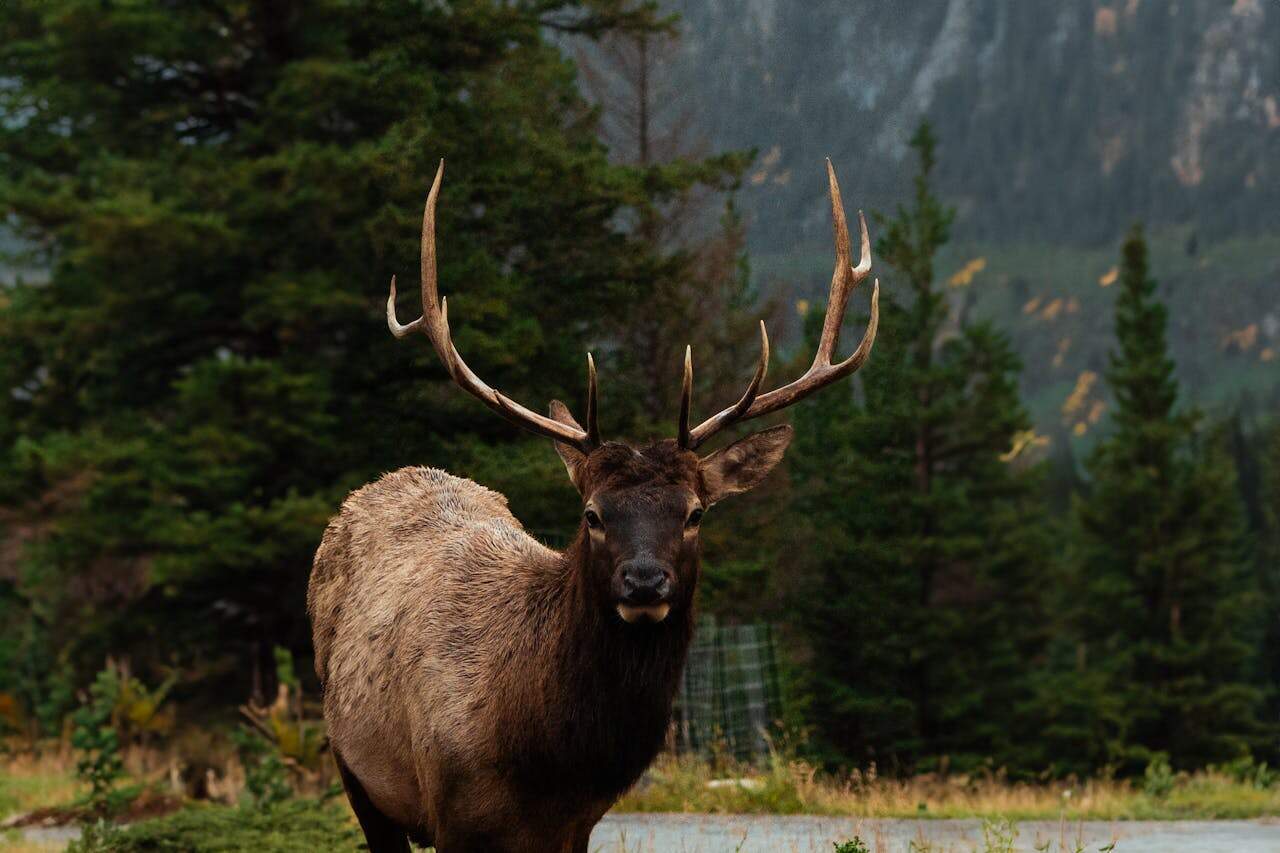
America’s national parks welcome more than 300 million visitors annually, yet many accidents and environmental damages happen because simple rules are ignored. From geothermal basins to alpine peaks, these landscapes are protected for ecological, cultural, and scientific reasons. Rangers issue thousands of citations every year, often for preventable behavior. If you want a safe and respectful trip whether to Yellowstone National Park or Grand Canyon National Park and avoid the following actions at all costs.
1. Never Approach or Feed Wildlife
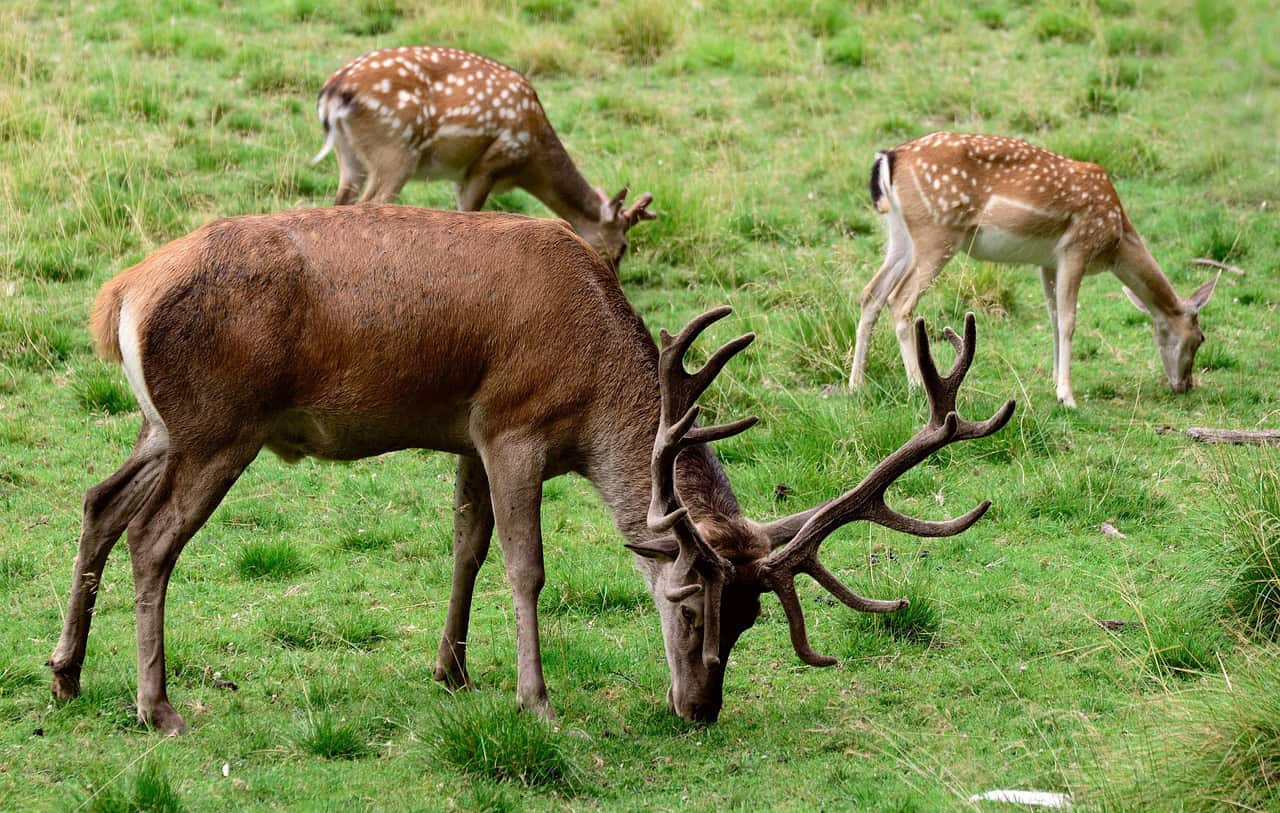
Every year, dozens of visitors are injured after getting too close to animals. Bison in Yellowstone National Park can run 35 mph, faster than most humans. Park rules generally require staying at least 25 yards from large animals and 100 yards from predators.
Feeding wildlife is illegal in all U.S. national parks. It alters natural foraging habits and increases aggressive encounters. Fines can exceed $5,000, and in some cases, animals that become dependent on human food must be relocated or euthanized.
2. Never Leave the Trail in Fragile Areas
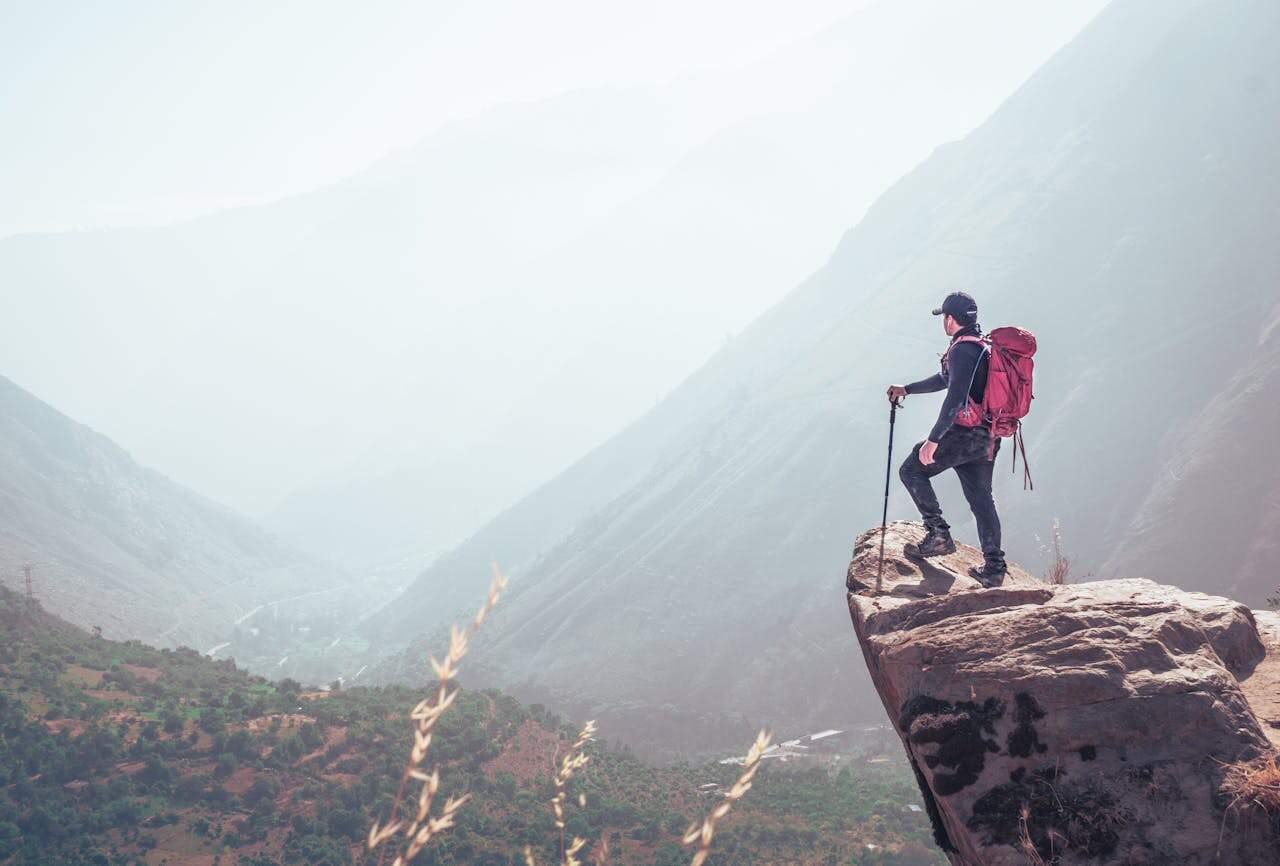
Marked trails are carefully planned to reduce erosion and protect delicate ecosystems. In desert parks like Arches National Park, a single footprint can destroy cryptobiotic soil that may take 50 years to recover.
Straying off-path also raises rescue risks. Search-and-rescue missions cost millions annually across the park system. Rangers strongly advise remaining on designated routes, especially in canyon terrain or high-elevation zones where loose rock and sudden drop-offs are common.
3. Never Start Unauthorized Fires
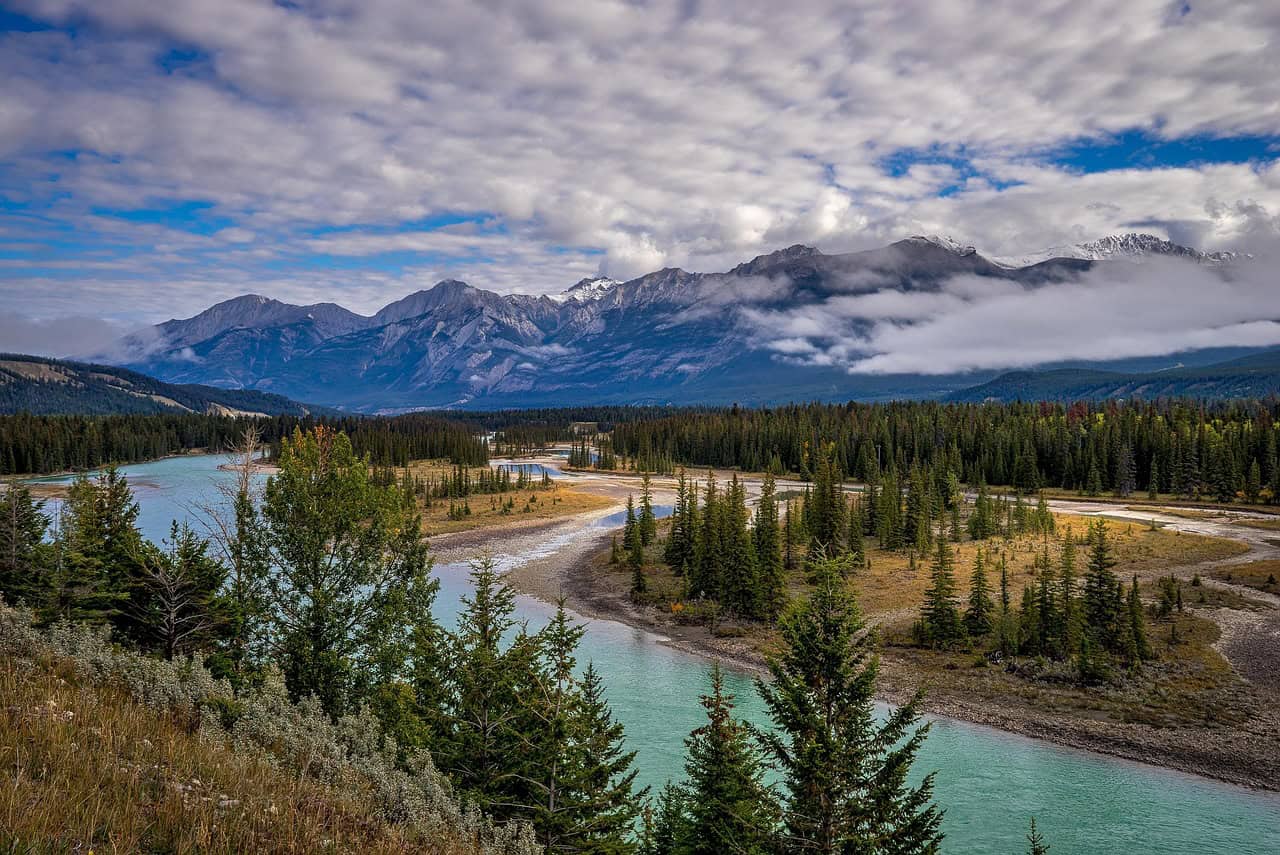
Wildfires burn millions of acres in the United States each year, and human activity causes nearly 85 percent of them. In forests like those found in Sequoia National Park, one illegal campfire can spread in minutes under dry conditions.
Most parks allow fires only in designated rings and sometimes ban them entirely during drought. Violations can result in fines exceeding $10,000 plus liability for suppression costs, which may reach hundreds of thousands of dollars.
4. Never Ignore Weather Warnings
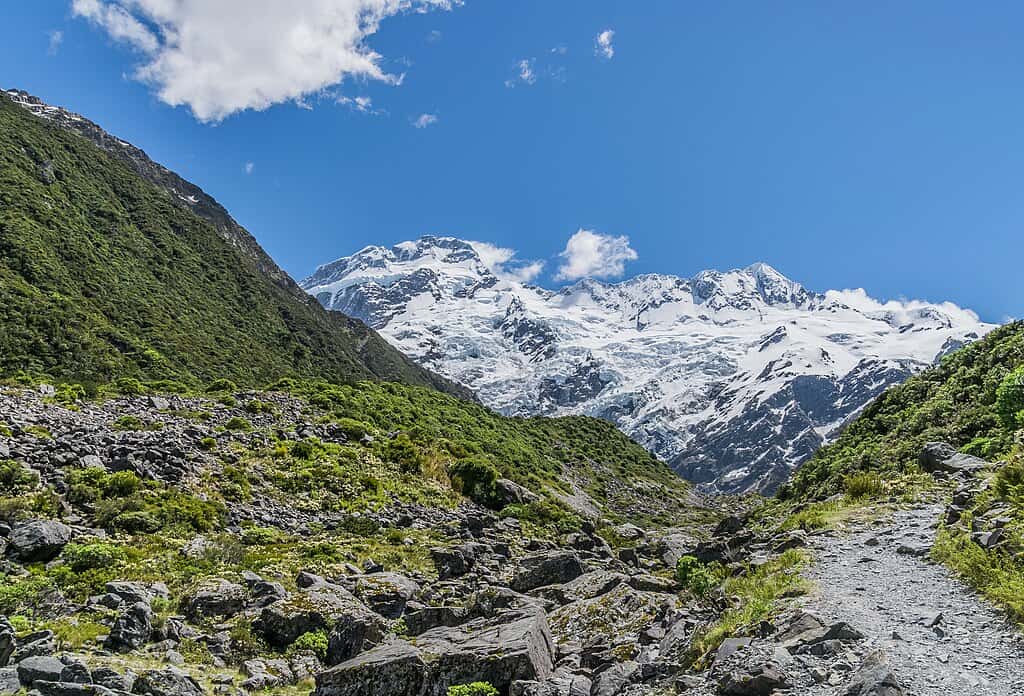
Weather conditions can shift rapidly, especially in mountainous parks like Glacier National Park. Temperatures can drop 20 degrees within hours, even in summer. Lightning strikes and hypothermia are real threats.
Desert environments present opposite dangers. At Death Valley National Park, summer temperatures often exceed 120°F. Dehydration can occur within hours without adequate water. Checking forecasts and heeding ranger alerts significantly lowers risk.
5. Never Take Natural or Cultural “Souvenirs”
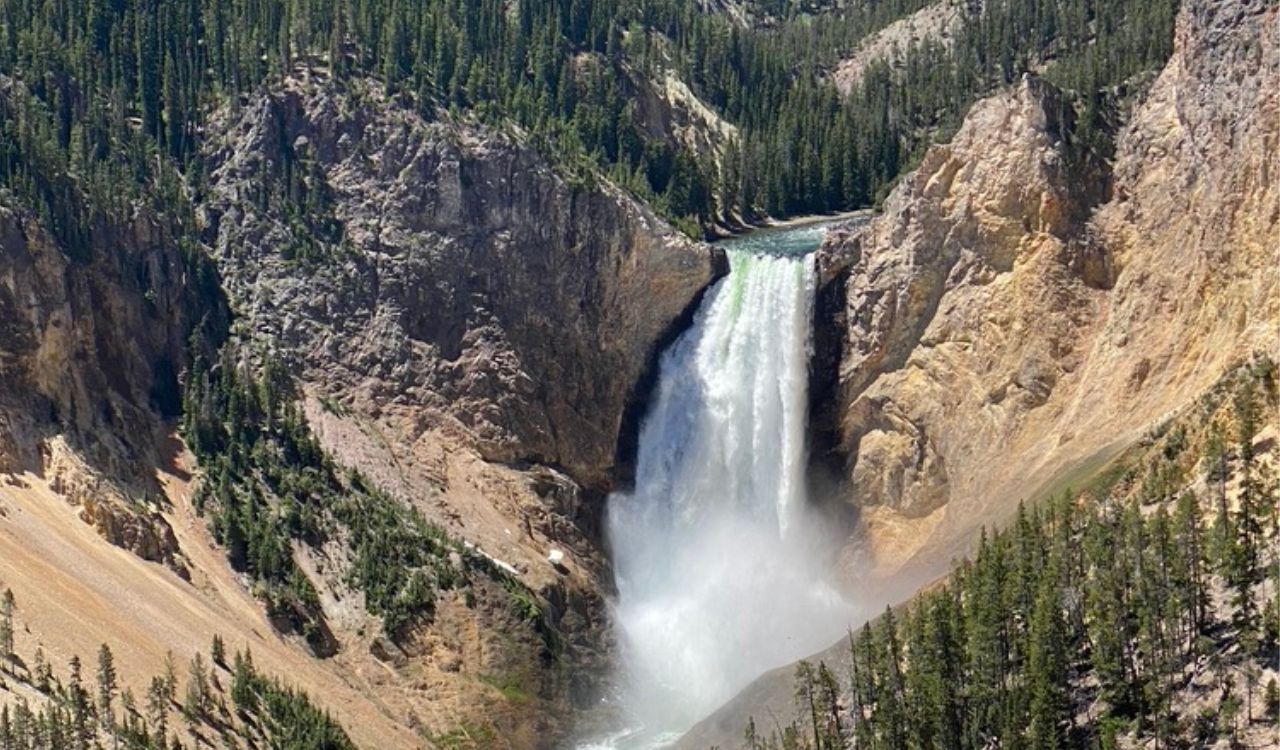
Removing rocks, fossils, or artifacts is illegal under federal law. Parks such as Petrified Forest National Park lose thousands of pounds of petrified wood each year to theft.
Even small objects play ecological roles. Cultural items, including pottery shards or tools, may be protected under the Archaeological Resources Protection Act. Penalties can include fines up to $20,000 and potential jail time for repeat or severe offenses.
6. Never Disrespect Cultural or Sacred Sites
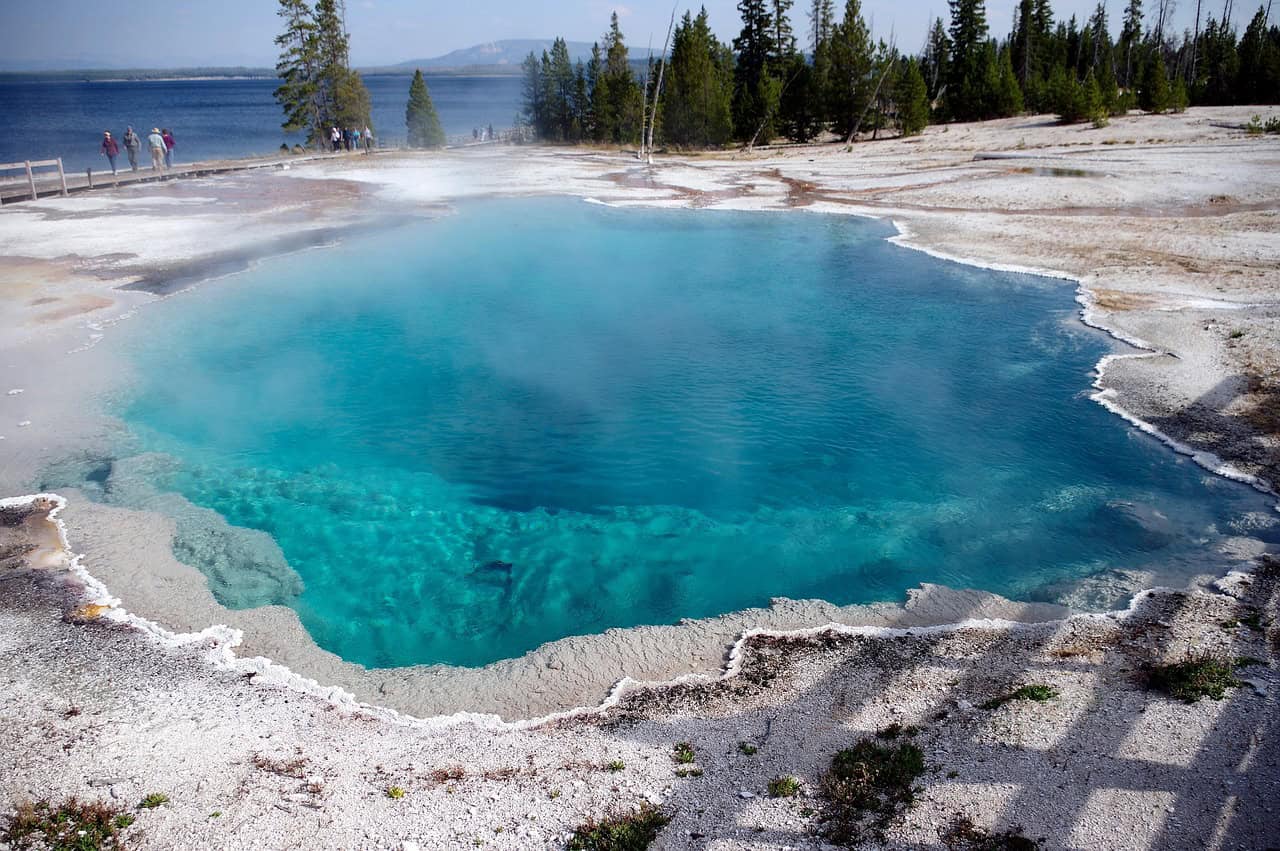
Many national parks preserve ancestral lands and sacred spaces. Cliff dwellings at Mesa Verde National Park date back over 700 years and are highly fragile.
Touching ancient masonry or climbing restricted ruins accelerates deterioration. Cultural vandalism has increased in recent years, prompting stricter enforcement. Respecting posted boundaries helps preserve irreplaceable heritage for Indigenous communities and future generations.
7. Never Litter, Even Organic Waste
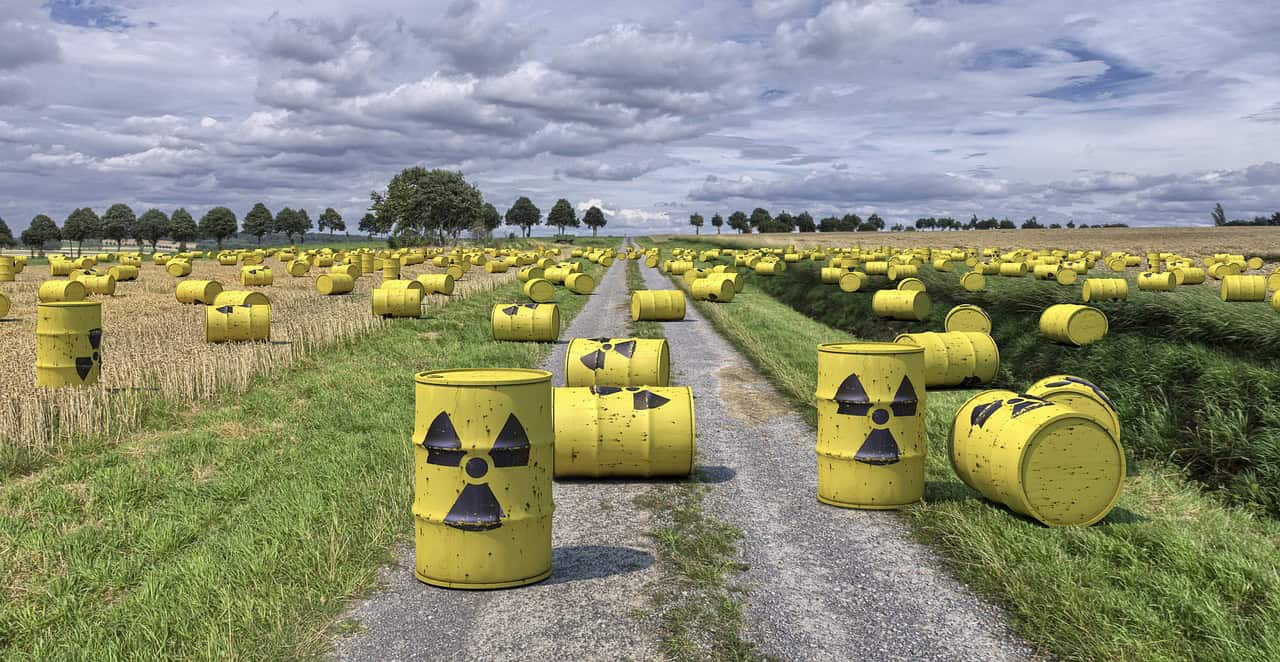
The National Park Service removes thousands of tons of trash annually. Even biodegradable waste, such as orange peels, can take months to decompose in arid climates like Joshua Tree National Park.
Food scraps attract wildlife and disrupt natural feeding cycles. Parks enforce “pack it in, pack it out” policies, and littering fines commonly start around $250. Responsible disposal protects ecosystems and keeps landscapes pristine.
8. Never Underestimate Physical Demands
More than 11,000 search-and-rescue incidents occur in U.S. national parks each year. In Grand Canyon National Park, heat exhaustion and dehydration are leading causes. Temperatures at the canyon floor can be 20°F hotter than at the rim.
High elevations in Mount Rainier National Park can trigger altitude sickness above 8,000 feet. Carrying sufficient water, often 1 gallon per person per day in desert hikes is strongly recommended.
9. Never Bring Pets Where They’re Prohibited
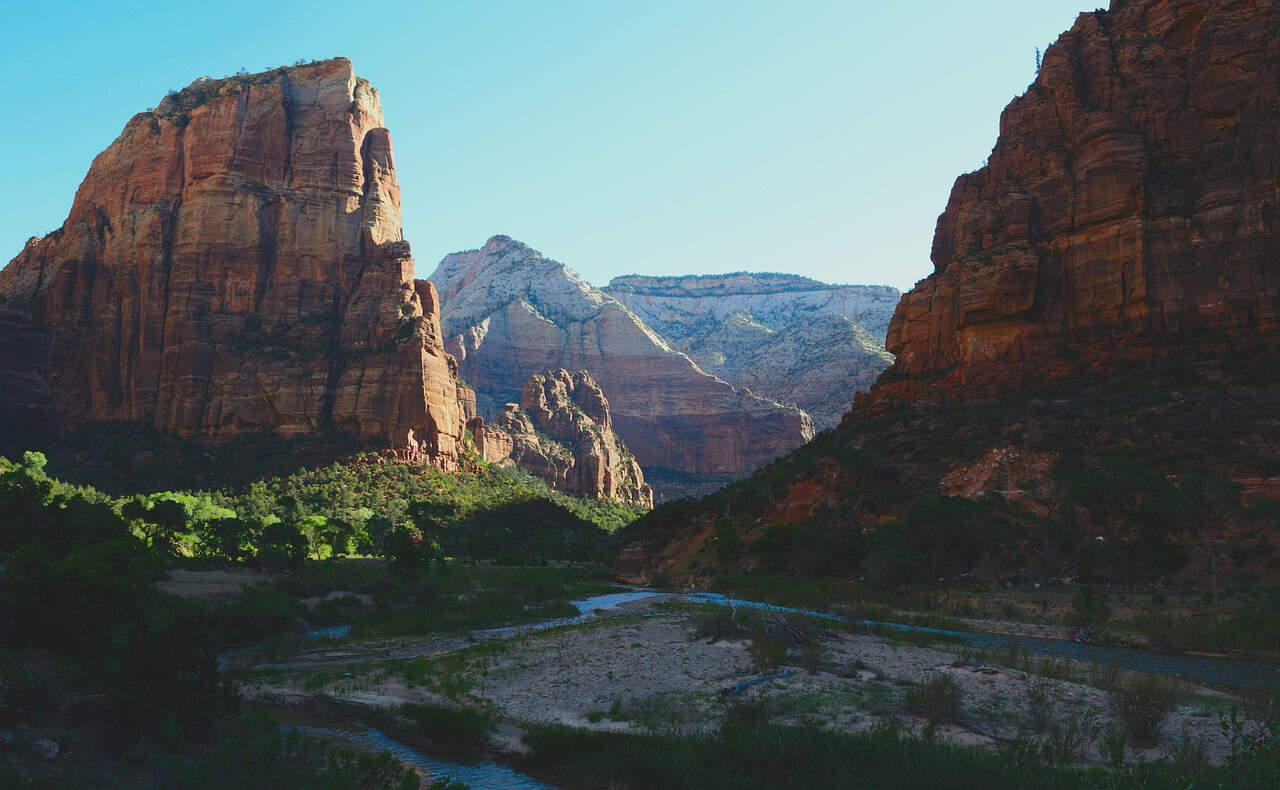
While many parks allow pets in limited zones, most backcountry trails restrict them. At Zion National Park, pets are generally confined to developed areas and specific paths.
Wildlife encounters, extreme heat, and narrow cliffside trails make backcountry terrain unsafe for animals. Violations can lead to fines and removal from the park. Always review pet policies before planning your trip.
10. Never Disturb Geothermal or Water Features
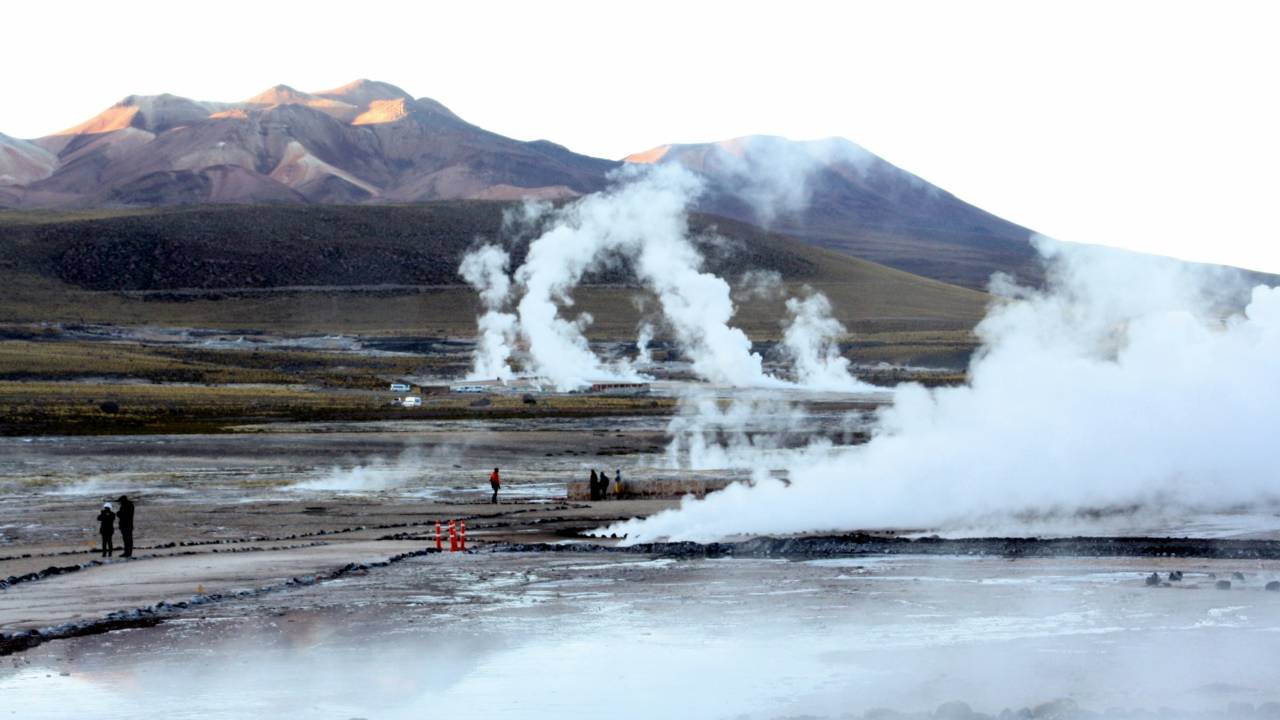
Thermal areas are unstable and extremely dangerous. Hot springs in Yellowstone National Park can exceed 200°F, hot enough to cause fatal burns within seconds.
Boardwalks are installed for safety, and stepping off them has led to severe injuries and deaths. Throwing objects into geysers can clog vents and alter eruptions. Respecting barriers protects both visitors and delicate geothermal systems.