Yellowstone’s Backcountry Permits Cost $10. The Parking Lot Version of the Park Costs Ten Times That in Hidden Fees.
We may earn money or products from the companies mentioned in this post. This means if you click on the link and purchase the item, I will receive a small commission at no extra cost to you ... you're just helping re-supply our family's travel fund.
Yellowstone National Park’s backcountry permit system charges a flat $10 per person per trip for overnight wilderness camping, one of the least expensive ways to experience the park’s 2.2 million acres. Meanwhile, the version of Yellowstone most visitors actually experience, driving between parking lots at Old Faithful, Grand Prismatic Spring, and the handful of roadside pullouts that show up in every guidebook, ends up costing considerably more once lodging, gas, and the premium pricing inside park boundaries get factored in, all while delivering a fraction of what the park actually offers.
Fewer than 3 percent of Yellowstone’s annual visitors ever set foot more than a mile from a road, according to park service estimates, meaning the overwhelming majority experience an extremely narrow, extremely crowded slice of a park that is overwhelmingly wilderness.
What the Backcountry Permit Actually Buys
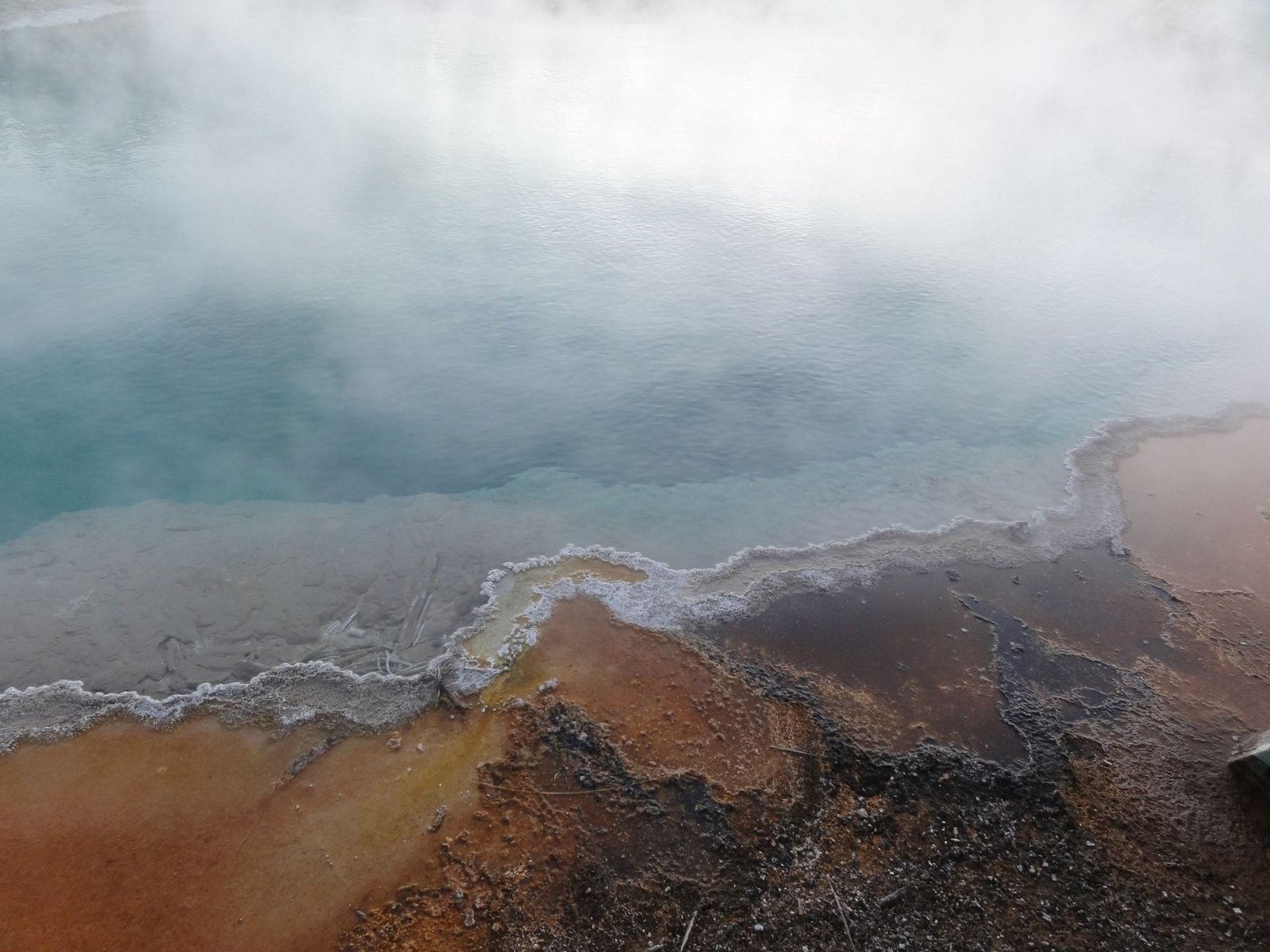
Yellowstone’s backcountry permit system requires reserving specific numbered campsites in advance, a structure designed to limit environmental impact and manage bear safety rather than to generate significant park revenue, which is why the fee remains so low relative to what visitors pay for lodging inside the park. A permit grants access to more than 300 designated backcountry campsites spread across trails ranging from easy overnight loops to multi-day treks through the park’s most remote sections, including the Thorofare region, one of the most isolated areas in the lower 48 states.
The application process requires some planning, since popular sites near features like Shoshone Lake or the Bechler River’s waterfalls fill up within minutes of the reservation window opening each spring, but the actual cost barrier is negligible compared to nearly every other aspect of visiting the park.
Backcountry camping also requires a bear canister or approved food storage method, mandatory in-person orientation at a ranger station, and a real understanding of grizzly country safety protocols, all of which filter out casual visitors more effectively than any price increase could, keeping the backcountry experience genuinely uncrowded even during the park’s busiest summer months.
The Real Cost of the Parking Lot Version
In-park lodging at properties like the Old Faithful Inn or Lake Yellowstone Hotel runs $300 to $600 a night in peak season, and rooms book out nearly a year in advance. Visitors who can’t secure in-park lodging end up staying in gateway towns like West Yellowstone or Gardiner, adding significant drive time and gas costs to reach popular sites during the narrow daylight windows when parking is available at all.
- Old Faithful’s main parking lot regularly fills by 9 a.m. during peak summer season, forcing later arrivals to wait or circle
- Gas prices inside and near the park run notably higher than national averages, given the remote supply chain
- A week of in-park or near-park lodging for a family of four in July can easily exceed $2,500 before food and park entrance fees
- Grand Prismatic Spring’s boardwalk overlook can see wait times for parking that stretch past 45 minutes on peak days
What the Backcountry Actually Looks Like
A two-night backcountry trip into the Bechler region, sometimes called Cascade Corner for its concentration of waterfalls, delivers scenery that rivals anything visible from the road, including several waterfalls higher than Niagara, without another visitor in sight for most of the hike. The Thorofare region, requiring a multi-day trek, is frequently cited by backcountry rangers as the most remote point from a road in the continental United States, a fact that draws a small but dedicated community of long-distance hikers every summer.
Wildlife encounters in the backcountry differ meaningfully from the roadside version too. Grizzly bears, wolves, and elk behave differently away from vehicle traffic, and backcountry travelers report sightings that feel categorically different from the roadside wildlife-jam experience where dozens of cars stop simultaneously to photograph a bison from a car window.
Why So Few Visitors Make the Leap
The barrier to backcountry Yellowstone isn’t financial, it’s logistical and psychological. Reserving a permit requires navigating the park’s online system months in advance, arranging appropriate gear, and accepting genuine physical risk from grizzly encounters, water crossings, and remote medical emergencies that the roadside experience simply doesn’t carry. Most visitors, understandably, aren’t willing or able to take on that planning burden for a single vacation, especially those visiting with young children or limited hiking experience.
Outfitters based in Gardiner and West Yellowstone have started offering guided backcountry trips specifically to bridge this gap, handling permits and gear logistics for visitors willing to pay for the convenience, a service that has grown steadily as word spreads about what the roadside experience misses.
What This Means for Planning an Actual Trip
Splitting a Yellowstone trip between two or three days of roadside sightseeing and two or three days of a moderate backcountry trip, even just an overnight rather than a multi-day trek, delivers a dramatically more complete picture of the park than the roadside-only version most visitors default to. The financial cost difference is minimal, a permit fee that barely registers against lodging costs, but the experiential difference is enormous.
For anyone who has done the parking-lot version of Yellowstone once already, the backcountry represents the actual park that the roadside experience was always just a preview of, at a fraction of the crowding and, per the numbers, a fraction of the cost.
The Ranger Perspective on Overcrowding
Park rangers who work both frontcountry and backcountry assignments often describe a striking contrast in visitor behavior and satisfaction between the two groups. Frontcountry visitors, dealing with parking congestion and crowded boardwalks, report more complaints and higher stress levels according to informal park service observations, while backcountry visitors, despite facing real physical challenges, consistently report higher satisfaction in exit surveys conducted by park staff.
This pattern has led some park service planners to study whether better distributing visitor information about backcountry access, rather than expanding frontcountry parking capacity further, might do more to improve overall visitor experience, a shift in thinking that would have been unusual a decade ago when infrastructure expansion was the default response to crowding complaints.