Window or Aisle? Here’s What Each Seat Choice Means for Your Flight
We may earn money or products from the companies mentioned in this post. This means if you click on the link and purchase the item, I will receive a small commission at no extra cost to you ... you're just helping re-supply our family's travel fund.
The window-versus-aisle question looks trivial until a flight becomes a sealed social experiment. Seat choice turns out to be a compact negotiation between scenery, privacy, movement, bodily comfort, and control. The research on personality does not support a clean diagnosis from a boarding pass, but environmental psychology does explain why the choice can feel surprisingly personal.
The part of the map most visitors miss
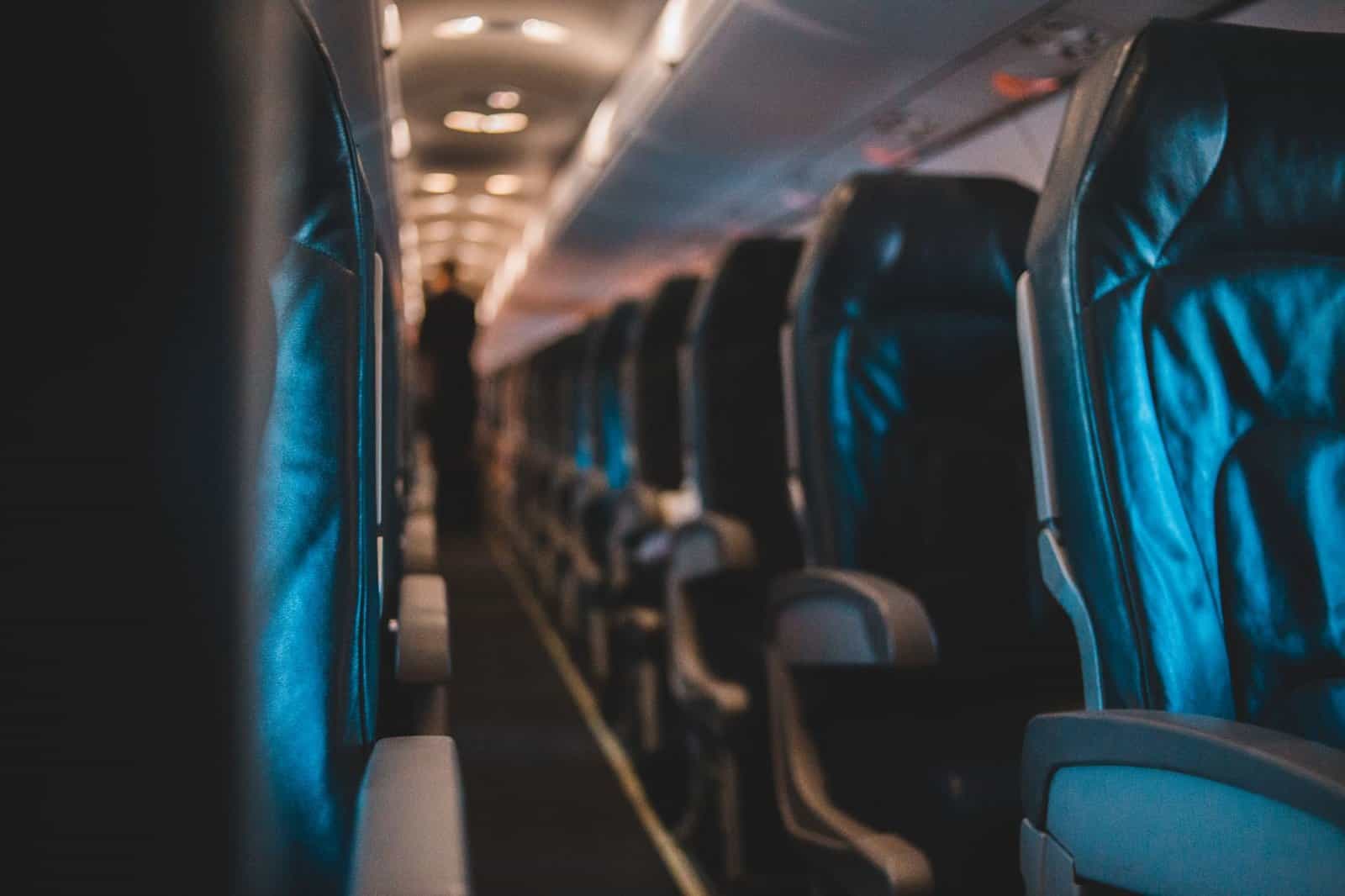
A window gives a passenger a boundary. There is one neighbor to negotiate with, a view that can provide orientation, and a surface to lean against. For people who want to read, sleep, or minimize interruptions, those are concrete benefits. The cost is dependence: every restroom break requires a request, and a delayed descent can turn a good view into a long wait.
That distinction matters for anyone deciding how to spend limited travel time in Air travel. The most visible district is often only one operating system inside a larger place. Following the link between privacy, movement, and cabin interruptions reveals the forces that create the visitor experience: employment, land use, seasonality, institutions, and the practical work of moving people through a landscape.
Place-based travel works best when it makes room for contradiction. In Air travel, the same condition that delights a visitor can create a burden for someone who lives or works there: a successful festival can fill a restaurant, a scenic road can carry too much traffic, a new amenity can improve a block while raising the cost of being near it. This is not a reason to avoid the destination. It is a reason to describe the destination with more than one measure of success. A good day has room for pleasure, but it also has room for the history and infrastructure that make that pleasure possible.
Before booking, ask four simple questions. What is the place asking you to reserve? What will you need to reach by foot, transit, bicycle, or car? Which parts of the story are seasonal, and which are visible year-round? Finally, how will your plan affect the people and spaces you came to appreciate? In Air travel, those questions turn a generic list of stops into a workable itinerary. They also protect against the most common travel mistake: assuming that convenience for a visitor is the same thing as health for a community.
What the numbers and the daily rhythm reveal
An aisle provides access. It lets a passenger stand, stretch, retrieve a bag, and leave the row with less social friction. That can matter for circulation, anxiety, and long flights. It also exposes the traveler to carts, passing shoulders, and the repeated small interruptions of cabin movement. Neither preference is more virtuous; each solves a different problem.
The details are more valuable than a sweeping verdict. Look for operating hours, weather conditions, transit limits, reservation rules, and the difference between a peak weekend and a regular Tuesday. In Air travel, those factors determine whether a plan feels effortless or artificially rushed. They also prevent a traveler from confusing a polished visitor zone with the full civic reality beyond it.
Pay attention to ordinary evidence. Notice where people buy groceries, where a bus stops, whether sidewalks continue past the visitor core, and how far an employee may have traveled to start a shift. In Air travel, those details offer a better correction to travel stereotypes than any dramatic claim. They show what has been preserved, what has changed, and what still depends on season, public investment, and the ability of local businesses to operate through a full year. The resulting trip may be less tidy than a perfect itinerary, but it will be more memorable for the right reasons.
Stay alert to scale. A large attraction can dominate search results while occupying only a small share of the actual city or region; a modest public institution can explain far more about local life. The order in which you see things matters. Start with a civic or geographic anchor, then add food, shopping, scenery, or nightlife around it. That sequence gives conversations and purchases a setting. It also makes it easier to change course if heat, rain, traffic, a sold-out ticket, or simple fatigue changes the day.
A practical way to experience it
The useful planning question is not what your seat reveals about your soul. Ask what the trip requires. A pre-dawn flight with an arrival-day meeting may favor rest. A short daytime route over a coast or mountain range may make the window worth it. A traveler with a tight connection may value the aisle’s ability to stand before the cabin empties.
- Set one nonnegotiable anchor around privacy rather than trying to cover every attraction.
- Check current access and operating conditions for movement before leaving your lodging.
- Budget for the local constraint that matters most here: time, transport, weather, or lodging.
- Use cabin interruptions as context, not just as a photo stop.
- Leave an unscheduled block so the day can respond to the actual conditions on the ground.
The better reason to stay longer
This is where travel becomes more than consumption. Spend enough time to notice who uses the same streets at different hours, which businesses serve residents as well as visitors, and what the local calendar does to prices and crowds. The point is not to claim insider status. It is to make choices that respect the fact that Air travel is a lived-in place before it is an itinerary.
There is also a useful discipline in accepting the limits of a short stay. A visitor can observe, spend thoughtfully, follow local rules, and ask better questions; none of that grants authority over Air travel. The most durable travel writing leaves the destination with its own complexity intact. It lets a museum, street, shoreline, campus, or town square be specific without forcing it to confirm a familiar national story. That approach usually produces better recommendations as well, because it gives practical choices a real context.
Good travel decisions are often unglamorous. Confirm an address, refill a water bottle, save an offline map, wear the shoes the terrain calls for, and allow enough time to arrive without anger. These acts do not make an itinerary less ambitious. They make it possible to pay attention after you get there. In Air travel, preparation is not a substitute for surprise; it is what allows surprise to be enjoyable instead of expensive.
Seat selection is one of the few travel decisions made before uncertainty takes over. That helps explain the intensity. It is a small, visible choice about how much of the journey you want to watch and how often you want to move.