Why Unfamiliar Cities Can Make Travelers More Decisive — The Everyday Choices That No Longer Slow Them Down
We may earn money or products from the companies mentioned in this post. This means if you click on the link and purchase the item, I will receive a small commission at no extra cost to you ... you're just helping re-supply our family's travel fund.
Travelers often report that they decide faster in a city they have never visited than in the one they live in. They pick a restaurant in two minutes, change plans without a long debate, and say yes to things they would normally think over. Psychology offers several plausible reasons, and they are useful to know because you can use them at home too. This article walks through why people can feel more decisive in unfamiliar cities and which everyday choices stop slowing them down.
Why Travelers Feel Decisive in Unfamiliar Cities
The short answer is that travel changes the stakes, the options, and the baggage attached to each decision. Researchers have long studied how too many options can cause people to stall, and how decisions feel lighter when they are one-off rather than part of a routine. Travel combines both. The result is that many people feel more decisive in unfamiliar cities, even though the trip itself may be full of new information. This is a general tendency, not a rule, and some people feel the opposite when they are tired, jet-lagged, or anxious.
Four forces tend to explain it:
- The stakes are lower. A bad lunch is a story, not a mistake you have to live with for months.
- The time frame is short. With two days in a city, a long debate costs you something real, so you pick and move.
- The options are smaller. In a new place you only see a slice of what is available. You are not aware of all the alternatives that you would know at home.
- Your usual obligations are missing. There are no errands, no standing commitments, and nobody expecting you to behave like your usual self.
The Everyday Choices That Stop Slowing You Down
What to eat
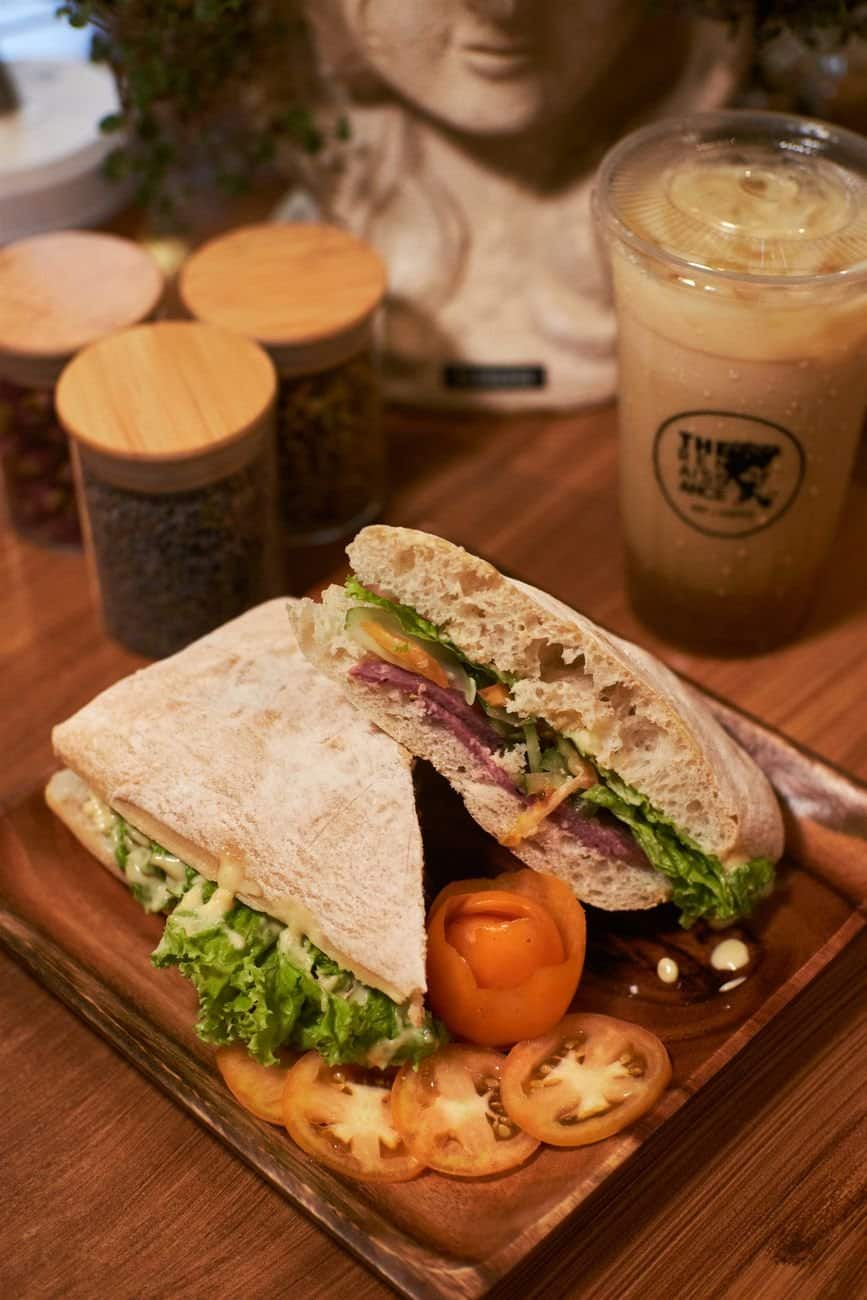
At home, dinner can turn into a long negotiation about preferences, budgets, and what you ate yesterday. On the road, many people choose the nearest decent place with a short line of locals and sit down. The menu is partly unfamiliar, so you cannot compare it against years of habit. You choose something that sounds good and move on.
Which way to walk
Travelers often navigate by feel. You pick the street that looks interesting, or you follow a map and accept a detour. Without a routine commute, there is no “best route” to defend, so you do not agonize about efficiency. A wrong turn becomes part of the day.
What to wear
On a trip, you usually carry a small set of clothes, which removes many daily clothing decisions. Packing is a constraint that makes the choice simple: you wear what is clean and suitable for the weather. Some people deliberately create a capsule wardrobe for this reason.
When to leave
Without a fixed schedule, travelers set a few anchor points, like a train or a tour, and leave the rest loose. Short windows force decisions, and then the day proceeds. Many people notice they are more likely to leave a place that is not working, since there is no reason to stay for politeness.
Whether to say yes
Invitations from other travelers, a street festival, or a local recommendation are easier to accept when you are away. At home you might say “maybe later.” On the road, “later” may not exist, so yes comes quickly.
How much to spend on small things
A coffee, a tram ticket, or a market snack is often a trivial choice in a foreign currency. You may not do the same math you would do at home. That can be a trap, so set a daily budget in advance, but it explains why small purchases happen quickly.
Why Constraints Make You Faster
Many travel decisions have clear constraints. You have a single day, a single hotel, a single visa stamp, a limited amount of luggage. Constraints narrow the field. Psychologists often describe how a smaller choice set makes selection easier and can make people happier with what they pick. Travel gives you that without any effort.
There is also the effect of novelty. When everything is new, your attention is fully on the present. You notice menus, streets, and faces, and your mind has less capacity for rumination about what you should have done. That can feel like decisiveness, even though it is partly just engagement.
Finally, there is identity. At home, your choices are tied to your habits, your family, and your reputation. Abroad, nobody knows what you usually order. You can try a different version of yourself, and trying a role is less risky than committing to it.
When the Effect Backfires
Faster decisions are not always better. Several problems show up on trips:
- Exhaustion and jet lag lower the quality of choices, even when they feel quick.
- Unfamiliar currencies and prices can lead to overspending on tours, taxis, and tourist-area meals.
- Rushed decisions about transport, bookings, and safety can be costly, for example choosing an unlicensed taxi because you want to move on.
- Some travelers freeze when there are too many options in a new place, particularly when planning from scratch.
The pattern is simple: decisiveness works best for low-stakes, reversible choices like lunch and walking routes. It works worst for expensive or hard-to-undo ones such as buying a tour package, accepting a ride from a stranger, or signing a contract.
How to Use This at Home
You can copy the same conditions without leaving your city.
1. Set a time limit. Give yourself ten minutes to choose a restaurant. A deadline mimics the short window of a trip. 2. Narrow the options. Pick three places and choose among them. A shorter list prevents over-research. 3. Treat it as an experiment. Ask what you would learn, not whether it is perfect. 4. Say yes to one small invitation each week. Treat your own city like a place you are visiting. 5. Reduce routine decisions. Wear a simple uniform, plan meals ahead, or keep the same breakfast so you save energy for other choices.
How to Plan for It on a Trip
If you know you tend to decide quickly while traveling, a little advance planning pays off.
- Decide your high-stakes items before you go, such as lodging, transport between cities, and a budget.
- Leave the low-stakes items open, like what to eat and which neighborhoods to explore.
- Keep a short list of backup options for a rainy day or a closed museum.
- Pause before any purchase over a set amount, and ask whether it can wait a day.
A Day Abroad, Decision by Decision
It helps to picture a typical day. You wake up in a hotel and need breakfast. At home you would eat the same thing you always do. Here you walk out, smell bread, and pick the first bakery with a line. You need to see a landmark. You glance at your map, choose a route, and take a tram on a whim. By noon you have made a dozen choices without a single spreadsheet.
Compare that with a weekday at home. Each decision connects to dozens of others: the commute, the budget, the family schedule, your calendar, the project due Friday. On a trip, those threads are cut for a few days. The quick decisions are not necessarily smarter. They are simply less tangled.
Who Feels This Effect Most
The shift is not universal. Several groups feel it more strongly:
- Solo travelers, who do not need to negotiate with a partner or a group, and can decide quickly.
- People with demanding jobs or family roles, who gain the most relief from being out of their usual setting.
- Short-trip travelers, who feel time pressure and cut through hesitation.
- Frequent travelers, who have built habits for airports, hotels, and transport, so the routine tasks no longer take mental energy.
Others feel slower. A traveler with anxiety, a language barrier, or health concerns may spend more energy than usual on small choices, and a group trip can add negotiation. If you notice that you decide worse abroad, treat it as a signal to simplify the plan.
What This Means for Planning
If you know decisions come easier in a new place, you can plan fewer details in advance and trust yourself on the ground. A sensible split looks like this:
1. Book in advance: flights, lodging, trains between cities, tickets to timed attractions, and anything with a cancellation penalty. 2. Choose on the day: restaurants, neighborhoods to wander, cafés, short museums, and activities that can be skipped. 3. Decide with a pause: any purchase that costs more than you would spend casually at home, such as a guided tour, a custom suit, or a souvenir with a big price tag.
This approach saves research time and leaves space for the spontaneity that many people say they want from travel.
The Takeaway
Unfamiliar cities can make travelers more decisive because the stakes are lower, the time is short, the options are narrower, and the usual obligations are missing. The effect helps with everyday choices like meals, routes, and plans, and it can hurt with large purchases or safety decisions. If you notice it, use it where it helps, and add a short pause where it does not.