This California Desert Trip Comes With a Reason to Watch the Road for Tortoises
We may earn money or products from the companies mentioned in this post. This means if you click on the link and purchase the item, I will receive a small commission at no extra cost to you ... you're just helping re-supply our family's travel fund.
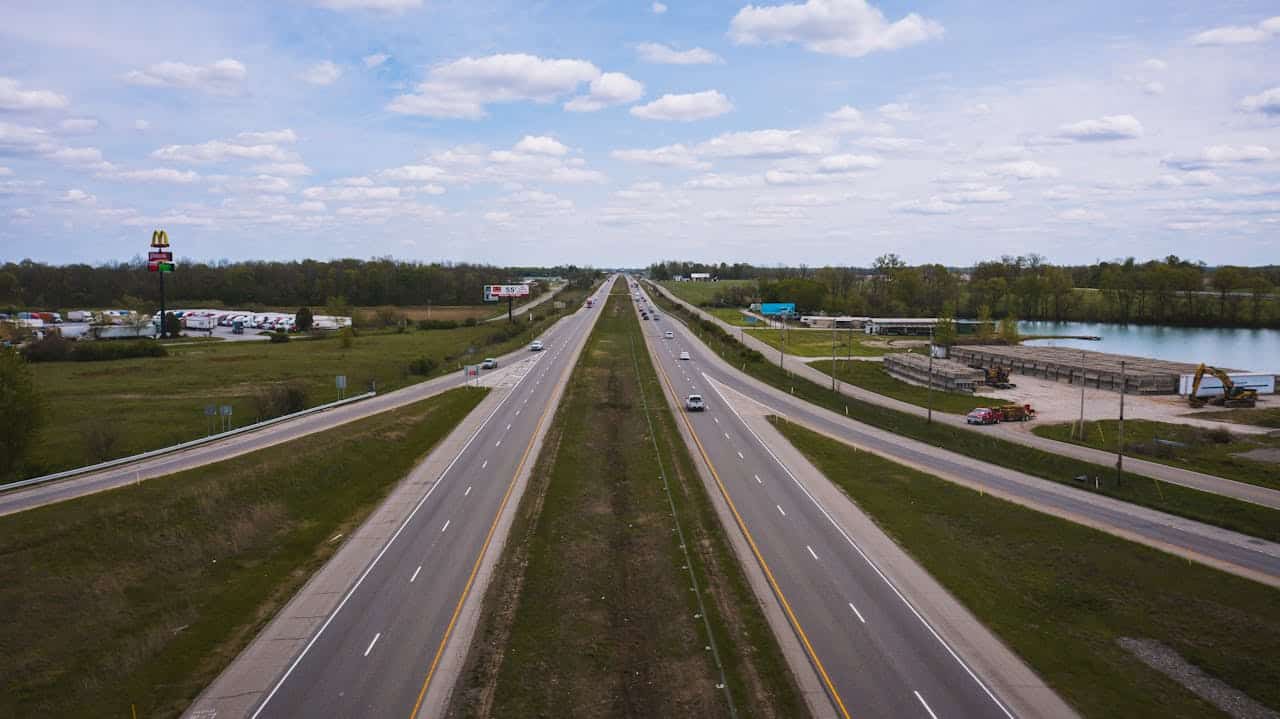
A trip through Mojave National Preserve calls for alert driving because desert tortoises may cross roads as they move through their habitat. Stay alert for wildlife, even when the road looks quiet. A crossing is possible, but a sighting is never guaranteed.
This beginner’s guide helps you understand where tortoises live, when they may be active, and how to visit without disturbing them. Their shelter and food depend on the desert around them, not just the ground beside a road. A careful visit leaves room for the animal to move on its own.
Key Takeaways
- Desert tortoises may cross roads while moving through their habitat.
- Suitable habitat occurs in some desert valleys, not every open area.
- Late winter and spring offer clues to activity, not a promised sighting.
- Stay on established roads and leave wild tortoises where you find them.
- Quiet, distant viewing helps keep an encounter from causing stress.
The best visit leaves the road, the animal, and the surrounding desert undisturbed.
Where Does the Mojave National Preserve Desert Tortoise Live?
In Mojave National Preserve, look for suitable habitat in desert valleys rather than assuming the tortoise lives in every part of the landscape. Valleys between about 1,000 and 4,000 feet provide much of the right setting. Creosote bush habitat offers scattered shrubs and open ground where grasses and wildflowers can grow.
That mix matters because tortoises need both plant cover and places to forage. Creosote shrubs break up open terrain, while grasses and wildflowers provide food when conditions support their growth. The Mojave desert holds many kinds of terrain, so a broad view of the desert alone cannot tell you where tortoises live.
Elevation and plant cover can point to suitable habitat, but neither makes a tortoise sighting likely.
A visitor may pass through a valley that fits these broad features and still see no animal. The tortoise spends much of its time out of view, and suitable plant cover does not mean one is nearby. Habitat is a clue, not a promise of an encounter.
Look for a combination of valley terrain, creosote shrubs, and space for grasses and wildflowers. Do not treat every open patch of desert as likely tortoise habitat. Elevation and plant cover help describe its habitat, but neither guarantees a sighting.
How Large Is a Mojave Desert Tortoise?
An adult Mojave desert tortoise is a substantial, low-slung reptile, measuring 9-15 inches long and weighing 8-15 pounds. Adults can weigh up to 15 pounds, though individual size varies. A Mojave National Preserve desert tortoise’s size is generally described by its length and weight, not by shell color alone.
Adult Length and Weight
Those measurements give you a better field guide than color by itself. The species can look different under shifting light, dust, or shade, so a single shade on the shell is not a reliable measure. Gopherus agassizii is also California’s state reptile.
Shell and Digging Limbs
The shell is high-domed, giving the animal a rounded profile above its low body. Its front legs are sturdy and flattened, with claws built for digging. Those legs help distinguish the tortoise from smaller reptiles with slim limbs and a less solid shape.
From a respectful distance, notice the body as a whole rather than trying to judge one feature. The dome, broad front legs, and heavy build make a useful set of clues. Shape matters more than color when you are learning to recognize the species.
The species name, Gopherus agassizii, refers to the Mojave desert tortoise, not every tortoise found in the region. A small reptile seen near a trail may be another species. Use the whole body shape and sturdy digging limbs as clues, not a close approach.
Why Do Desert Tortoises Spend So Much Time Underground?
A burrow lets a tortoise avoid the desert’s most demanding conditions while limiting water loss. A burrow is an underground shelter dug or used by a tortoise to escape temperature extremes and conserve water. Adults spend about 95% of their lives in burrows.
Underground shelter helps limit exposure to heat and cold, while also helping the animal conserve water. Adults can survive for more than a year without access to free water. That ability is part of their biology, not a reason for visitors to leave water for them.
| Shelter type | What it is | How the tortoise uses it |
|---|---|---|
| Burrow | Underground tunnel | Escapes temperature extremes and conserves water |
| Rock shelter | Protected space among rocks | Hides from harsh weather |
| Pallet | Shallow resting place | Offers a brief place to shelter |
Burrows are the most familiar shelter, but tortoises also use rock shelters and pallets. A shelter can help them cope with both summer heat and winter cold. The animal may be close by without showing any sign above ground.
This hidden routine can make a stretch of desert seem empty when it is not. Shelter keeps the tortoise out of sight and supports its ability to live through dry periods. A tortoise hidden underground is following its normal survival strategy, not waiting to be found.
When Are Tortoises Most Active in the Preserve?
Late winter and spring are the clearest windows for tortoise activity, with another possible emergence after summer storms. The best chances of seeing one are when temperatures are 79-93°F. These conditions improve your chances, but do not promise a sighting.
Late Winter and Spring
Mojave desert tortoises emerge to feed and mate in late winter, then remain active through spring. This timing can overlap with the growth of wildflowers and other forage. A favorable season can draw animals out, but individual behavior still varies.
Rain and Summer Storms
Some tortoises emerge again after summer storms. Rain can change the conditions around a shelter and bring plants into view, giving an animal a reason to leave its hiding place. Storm activity is only a clue; it does not make every tortoise active.
Temperature, season, and rain all help explain when the animal may be easier to spot. A warm day outside the preferred range may bring no encounter, while one animal may appear when another stays hidden. Timing is a guide, not a schedule.
Watch the terrain as you travel rather than focusing only on the chance of seeing wildlife. Spring color and storm clouds can make a memorable desert visit even without a tortoise in view. Plan to notice the landscape, but do not plan a trip around a guaranteed sighting.
How Long Do Mojave Desert Tortoises Live?
A Mojave desert tortoise may live 60 to 80 years, but it can take 14 to 20 years to reach adulthood. Reaching adulthood takes decades for some tortoises, and many young animals do not survive that long. A long adult lifespan does not mean most hatchlings reach maturity.
About 98% of desert tortoise eggs and hatchlings die before reaching maturity. That figure describes the severe risks faced by young animals as a group; it does not mean every egg or hatchling has the same outcome. The tortoise life cycle begins with a long period of growth.
| Life stage | Timing | Survival context |
|---|---|---|
| Eggs and hatchlings | Before maturity | About 98% die before reaching maturity |
| Growing tortoises | About 14-20 years to adulthood | Young animals face high mortality |
| Adults | About 60-80 years of life | Long-lived survivors |
Slow growth means a tortoise can spend many years as a young animal before it can reproduce as an adult. A loss among young tortoises may take years to show up in the adult population. That delay makes the early part of life especially important.
A tortoise that survives to adulthood can live for several decades. The figures show why protecting adults and young animals both matter, even though they face different stages of life. Long-lived adults are the visible survivors of a life cycle with a severe early bottleneck.
What Does a Desert Tortoise Eat, and Why Does It Matter?
A desert tortoise’s food comes mainly from a variety of desert plants, while its burrows can shelter other wildlife. Its diet includes grasses, shrubs, cacti, and wildflowers. Plant variety ties its food supply to desert conditions, which can change from season to season.
Plant Foods Across the Seasons
When conditions support plant growth, tortoises can find more forage among grasses and wildflowers. Shrubs and cacti add other choices across the habitat. The mix available at a given time depends on the plants growing nearby.
Foraging connects the animal to the health of its habitat. A stretch with little plant growth may offer fewer choices than an area with varied plant cover. Variety matters because the desert’s food does not come from a single plant.
Burrows That Benefit Other Wildlife
Burrows can also offer shelter to other desert animals. Gila monsters, collared peccaries, roadrunners, and burrowing owls use tortoise burrows. The shelter is available to wildlife, though another species does not occupy every burrow.
This sharing helps explain why ecologists describe the tortoise as a keystone species. A keystone species has an effect on other life in its habitat beyond its own needs. Burrows can provide shelter where the surrounding desert offers few protected spaces.
Food plants and shelter link tortoises to a wider group of species. Protecting the plants and shelter that make this role possible also protects a wider desert community.
What Threatens Mojave Desert Tortoises?
The tortoise faces several connected pressures, from shrinking or damaged habitat to direct harm from vehicles. In some areas, populations have declined by as much as 90% since the 1980s. That decline applies to some areas, not the entire species range.
Different threats can compound one another. Habitat loss can break up places where tortoises live, while drought and fire can further reduce plant cover. Invasive grasses such as Bromus rubens can contribute to fire-driven habitat change.
| Threat | How it harms tortoises | Example |
|---|---|---|
| Habitat loss and fragmentation | Removes or splits living areas | Development and altered land |
| Vehicle impacts | Can injure or kill animals | Road crossings |
| Drought and fire | Reduce food and shelter | Bromus rubens can add fire risk |
| Disease and predation | Can harm individuals and young | Illness and predators |
Vehicles cause direct harm, while habitat damage can affect many animals over a larger area. Disease and predators add other risks, especially for young tortoises. No single pressure explains every change in a population.
These threats can act at the same time, leaving less room for tortoises to recover from losses. Conservation work must account for both direct injury and changes to the land. A regional decline figure describes the seriousness of the problem, not the fate of every local population.
What Does Threatened Status Mean for the Tortoise?
Federally, the Mojave desert tortoise has been listed as threatened since 1990, while California lists it as endangered. The federal and state labels are different: threatened is the federal status, and endangered is California’s designation from April 2024.
The U.S. Fish and Wildlife Service made the federal listing. That status calls for federal agencies to work together to stabilize tortoise populations. It provides a framework for conservation, but the work also depends on how land is managed.
- Protect habitat used by tortoises.
- Coordinate land management across agencies.
- Monitor populations over time.
- Restore areas damaged by human activity or fire.
Conservation efforts can take many forms, from caring for habitat to checking how populations change. The same broad aim can guide work in different parts of the range, while local needs still matter. Agency cooperation is part of the federal approach.
Other wildlife recovery stories show how long-term habitat work can support a threatened species. For example, [Channel Islands conservation efforts](https://www.idyllicpursuit.com/10-remote-islands-where-endangered-species-still-thrive/) describe recovery work for the Channel Islands fox. Legal status sets a protection framework, while recovery depends on how habitat and threats are managed on the ground.
Which Roads in Mojave National Preserve Need Extra Attention?
Kelso-Cima, Morningstar Mine, and Cima roads are the preserve routes where drivers should watch carefully for tortoises. Kelso-Cima and Morningstar Mine roads have a posted speed limit of 55 mph. Follow posted limits on every route, including roads without a stated limit here.
Watch the road and nearby areas on these routes, where tortoises may cross their habitat. A named road does not guarantee an animal will appear, but it can help you plan where to focus your attention. Conditions can also affect which routes you can use.
| Road | Tortoise or road condition | Speed or access note |
|---|---|---|
| Kelso-Cima Road | Watch for tortoises | Posted limit 55 mph |
| Morningstar Mine Road | Watch for tortoises | Posted limit 55 mph |
| Cima Road | Watch for tortoises | Follow posted limits |
Hart Mine Road is closed because heavy damage and missing wooden culverts have made it hazardous. Do not use it as a way around another route. A closure can affect a trip even when the rest of your planned roads remain open.
Road information can change, so plan with the current conditions in mind. Keep your route flexible if a road is closed or damaged. Check the preserve’s current road conditions before relying on a planned route.
How Can You Drive Safely Through Tortoise Habitat?
The safest habit is to drive as though a slow-moving animal or an unseen burrow could be close to the road. Keep your vehicle on established roads, since off-road driving can crush burrows, tortoises, and eggs. A burrow may be hidden even when no tortoise is visible.
Small choices behind the wheel can reduce risk in habitat. Use this checklist as you travel through the preserve:
- Stay on established roads.
- Scan the road ahead as you drive.
- Use extra care in rainy weather.
- Check beneath a parked vehicle before moving it.
- Avoid off-road shortcuts.
Rain can change what animals do, so wet weather calls for added attention. A parked car can also offer shade, which may draw a tortoise beneath it. Take a moment to look before starting the vehicle.
Driving off the road can damage shelter and eggs that you cannot see. Even a short shortcut can cross ground used by wildlife. Before moving a parked vehicle, check beneath it for an animal using the shade.
What Should You Do If a Tortoise Crosses the Road?
If a tortoise is crossing safely, stop at a safe distance and let it make its own way across. Do not pick it up unless it is in immediate danger. The animal may be traveling to find food or water.
If the Tortoise Is Crossing on Its Own
Watch from far enough away that its behavior stays unchanged. Let it continue across without drawing close or trying to steer it. A tortoise crossing a highway is following its own route through its habitat.
If It Is in Immediate Danger
Picking up a tortoise is an exception for immediate danger, not a routine response to seeing one. Unnecessary handling can add stress and interfere with the animal’s movement. Do not assume that every road crossing needs human help.
Use your judgment about whether the animal faces an immediate threat. If it is moving safely, distance is the best way to let it keep its course. Intervention should be rare, because the tortoise usually needs space to move on its own.
A tortoise may pause or change direction while crossing, so avoid trying to hurry it along. The animal’s travel can include a search for food or water. Intervene only when immediate danger makes watching alone insufficient.
How Can You Watch a Tortoise Without Stressing It?
A tortoise that withdraws into its shell is showing that the observer has come too close. Back away when it retreats, and keep the encounter brief and quiet. Fright can cause the tortoise to void stored water, which can have serious consequences in the desert.
Use this short checklist when you see a wild animal away from traffic:
- Stay at a comfortable distance.
- Back away if the tortoise withdraws into its shell.
- Keep the encounter brief and quiet.
The shell gives the tortoise a place to retreat, but that response also tells you something about its comfort. A quiet observer can watch without changing the animal’s behavior. Binoculars help you see details without moving closer.
Fear can put the animal’s stored water at risk, an added burden in a dry place. Keep people and noise from crowding the tortoise. Use distance as the measure of a successful wildlife encounter, not the quality of a close-up photo.
Why Should You Never Take a Wild Tortoise Home?
Taking a wild tortoise home can harm both that animal and other tortoises it may later encounter. Wild collection is not a way to acquire a pet. Human contact can pass disease, and a captive animal can pose a risk if it later reaches the wild.
Handling Can Spread Disease
Upper respiratory disease may spread through human handling or shared burrows. Contact can carry illness between animals that would not otherwise meet. A well-meant touch can create a risk beyond the one tortoise you see.
Captive Tortoises Must Not Be Released
Former pets may carry disease that can spread to wild populations. Releasing one into the desert is not a safe way to find it a new home. It can expose wild tortoises to illness and place the former pet in an unfamiliar setting.
Some captive tortoises may be legally adopted through an appropriate route. Choose that option rather than taking an animal from the wild or putting a pet outside. Captive care is a commitment that must be handled through lawful placement.
Wild tortoises belong in their habitat, where they can continue their lives without added contact. People can protect them by leaving them in place and keeping captive animals out of the wild. Never release a captive tortoise into the desert.
How Can You Prepare for a Tortoise-Friendly Visit?
A little preparation helps you enjoy Mojave National Preserve without turning a wildlife encounter into a disturbance. Plan to leave the animal and its habitat undisturbed. Binoculars or a telephoto lens can help you observe from a respectful distance.
Before You Leave
Check current alerts, pack the right viewing tools, and plan to take your trash home. A few minutes of planning can make a trip easier without adding pressure to the wildlife you may see.
- Check current Mojave National Preserve alerts.
- Carry binoculars or a telephoto lens.
- Plan to pack out all trash.
While You Are in the Preserve
Mojave National Preserve desert tortoise care means leaving wild animals where they are and avoiding litter. Trash can attract ravens, adding a reason to keep food waste and other litter out of the desert. A phone GPS can record a sighting location if you report it through the preserve’s current information channels.
Keep a location note simple and accurate, then let the animal continue undisturbed. For more ideas on respectful viewing, read this guide to ethical wildlife viewing in America. Similar care helps when you spot other wildlife, including the animals in this California snake guide.
Keep any sighting details for a report, but let the animal continue undisturbed.
A phone can help you save a location without needing to approach the tortoise. Keep the encounter short, and leave no litter behind. Keep any sighting details for a report, but let the animal continue undisturbed.
Could a Sulcata Tortoise Live Like a Mojave Desert Tortoise?
A sulcata tortoise is not a Mojave desert tortoise, and its adult care needs are substantial. An adult sulcata can weigh over 100 pounds and live 50-80+ years. Its large size calls for a large outdoor enclosure, not casual assumptions about desert pets.
The Animal Foundation recommends an outdoor enclosure of at least 20′ x 30′ for an adult sulcata tortoise. That space need reflects the animal’s adult size and care needs. A sulcata is a different species from Gopherus agassizii.
A wild tortoise has its own habitat and needs, while a sulcata requires long-term care as a pet. The two species are not interchangeable because both have shells and sturdy legs. Size changes the care question long before an adult sulcata reaches its full weight.
People considering a sulcata need to think about its space and lifespan before taking one on. Its enclosure recommendation is far larger than a casual yard setup. Never treat a wild Mojave tortoise as a smaller substitute for a pet species.
Conclusion
A tortoise-friendly trip is worthwhile even when no tortoise appears. The preserve’s plants, shelters, and open ground support wildlife whether or not a visitor sees an animal. Leaving habitat intact gives tortoises room to live unseen.
Give wild animals space, and keep your visit from changing the place they depend on. The small choices you make on the road and away from it can help protect desert wildlife. Decide before the trip that every burrow, plant, and wild animal will be left where you found it.