Street Art Can Turn a Block Into a Visitor Magnet Quickly—But Rising Rents May Arrive Even Faster
We may earn money or products from the companies mentioned in this post. This means if you click on the link and purchase the item, I will receive a small commission at no extra cost to you ... you're just helping re-supply our family's travel fund.
Street art and rising rents tend to arrive together. A few big murals can change the way a block looks, and how many people walk down it. Street art can turn an overlooked street into a visitor magnet quickly, with photographers, tour groups, and cafes arriving behind the paint. But the same attention that fills the sidewalks can lift rents even faster, and the artists and small businesses that created the draw are often first to feel the squeeze.
This guide explains how that cycle works, with real examples from cities across the United States, and what visitors and residents can do about it. Details about specific places change, so check before you go.
How Street Art and Rising Rents Go Together
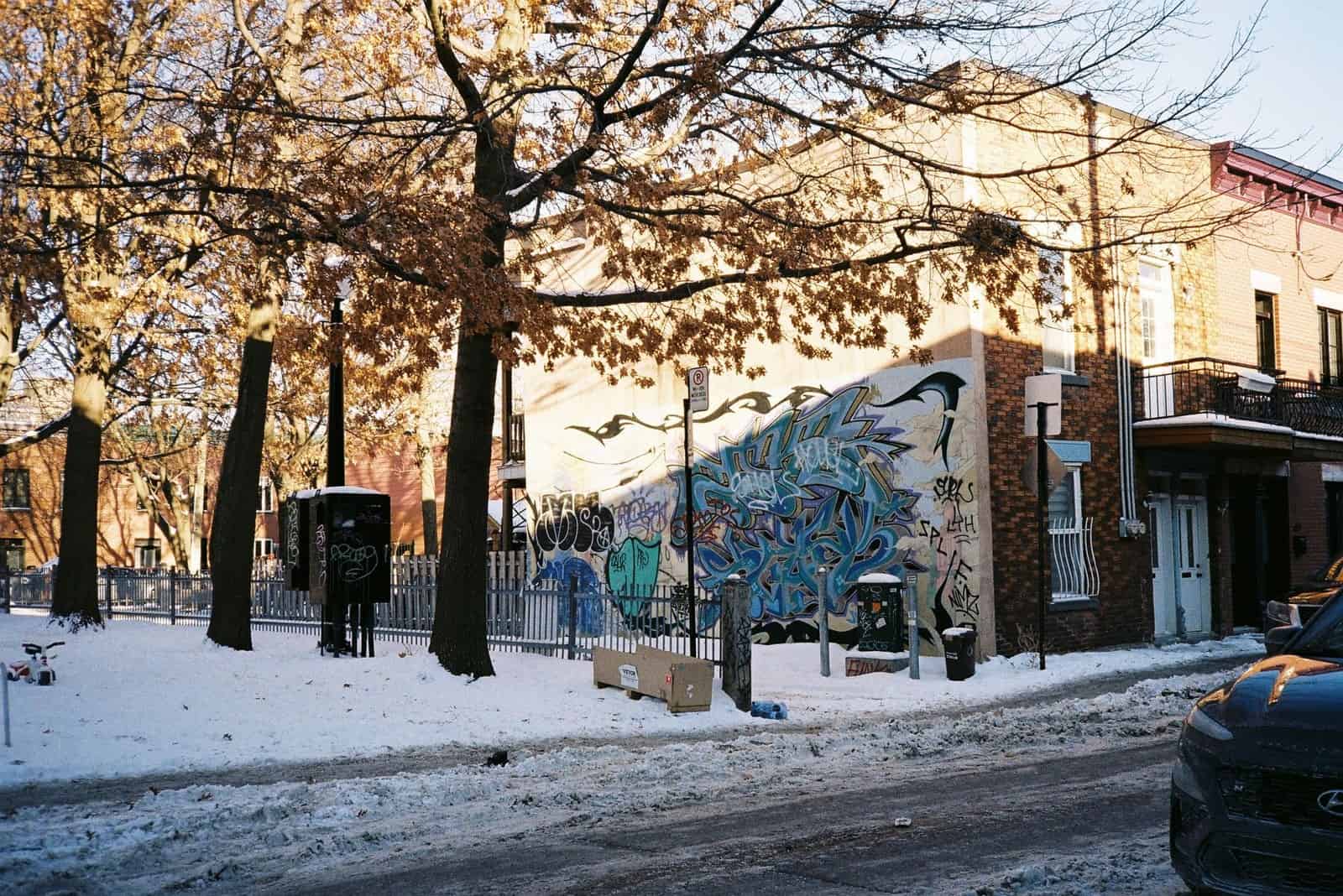
The cycle usually runs in four steps. An area with cheap space and vacant buildings attracts artists. Murals appear, sometimes with permission and sometimes without. Media and social posts spread photos, and visitors start to arrive. Property owners and investors notice the foot traffic and raise rents or sell. By the end, the street may be safer and busier, but also more expensive, and some of the original creative community may be gone.
Step 1: Cheap Space Draws Artists
Artists need affordable studios and walls. Old warehouses, industrial districts, and neglected commercial strips offer both. These areas often lack foot traffic, which keeps rents low. Property owners may allow murals because they have little to lose, or because paint covers graffiti and attracts attention.
Step 2: Murals Create a Reason to Visit
Large, colorful murals are perfect for photos, and in the social media era, a good wall can spread quickly. Tourists look for backdrops, and local residents who rarely visited the area start to stop by. Festivals and walking tours add structure. Cafes, galleries, and breweries open nearby to serve the crowds.
Step 3: Property Values Rise
Once an area is known, investors and developers pay attention. Higher foot traffic raises the value of retail space, and new apartments and offices follow. Landlords may increase rents at lease renewal, or sell to buyers who want to redevelop. Research on arts-led neighborhood change in several cities suggests that creative activity is often followed by rising prices, although it is not the only cause.
Step 4: Displacement and Change
Small businesses and artists with short leases can be priced out. Murals may be painted over or lost when buildings are demolished. Some areas keep a mix of old and new, but others turn into expensive districts where the original character is largely gone. That is the tension the title describes: the art that creates the value is not always protected by it.
Real Examples
Several well-known places show how this works, with differences in timing and outcomes.
- Wynwood, Miami: a warehouse district that began attracting artists in the 2000s, then grew rapidly after the Wynwood Walls project launched in 2009. The area is now a major destination with galleries, restaurants, and new apartments, and property values rose substantially. Some artists and early tenants have moved elsewhere.
- Bushwick, Brooklyn: the Bushwick Collective, started around 2012, turned an industrial street into a mural destination. The neighborhood saw a surge of new restaurants, bars, and rising rents over the following decade.
- 5Pointz, Queens: a building covered in aerosol art that drew visitors from around the world. The owner demolished it in 2013 for apartments, and a federal court later found that the destruction violated artists’ rights under the Visual Artists Rights Act, awarding damages of 6.75 million dollars, a ruling upheld on appeal.
- River North (RiNo), Denver: an industrial area that grew into an arts district with murals and a yearly festival, followed by development and higher prices.
- Philadelphia: the city’s Mural Arts program, founded in the 1980s, has produced thousands of murals, many of them commissioned with community involvement, and shows a model where art is tied to neighborhood engagement.
In each case, the timeline varied, but the pattern of attention followed by rising costs repeats.
Why Rents Can Move Faster Than Art
Art takes time to create and spread. Rent changes can happen at the next lease renewal, a sale, or a rezoning. A single investor purchase can reset prices for a block. Landlords may also act quickly out of fear that a trend will fade. This asymmetry explains why rising rents can arrive faster than the art scene can build lasting institutions, such as studios owned by artists or community land trusts.
It is also true that not every mural leads to gentrification. Neighborhood change depends on broader factors, such as housing demand, transit, interest rates, and city policy. Murals can be a symptom as much as a cause, since developers sometimes commission them to make a place look appealing. Researchers disagree on how much of the effect is due to the arts alone.
What Helps Artists and Small Businesses Stay
Cities and communities have tried several tools to keep creative areas from pricing out their makers.
- Long-term leases or lease protections for small tenants and artists.
- Community land trusts or nonprofit ownership of buildings that guarantee affordable studio space.
- Zoning for artist live-work spaces, and incentives to include affordable studios in new development.
- Public funding for murals and arts programs that pay artists fairly.
- Legal protections for artwork, such as agreements that give artists notice before a wall is demolished or painted over.
- Preference for local hiring and ownership in new commercial space.
None of these is a guarantee, but they can slow displacement and keep a mix of uses.
How Visitors Can Help
Visitors have more influence than they think. These habits help keep the creative ecosystem alive.
- Buy from local artists and small shops, not only chain stores.
- Join guided tours led by local artists or community groups, which often pay fairly.
- Tip performers and artists who are working on-site.
- Avoid climbing on walls, blocking businesses, or taking over sidewalks when you take photos.
- Do not tag or paint over existing work.
- Stay in locally owned lodging when possible.
- Learn who made the mural and credit them when posting photos.
- Check before you go for tours and hours, since many events are seasonal.
Questions Residents Ask
Do Murals Always Cause Gentrification?
No. They can be part of a broader trend, but many factors affect rents. Murals made with community input and tied to local ownership may help residents more than outside investment.
Are Commissioned Murals Less Authentic?
Not necessarily. Many artists earn a living through commissions, and sanctioned murals can be of high quality. What matters is whether artists are paid fairly and the community has a voice.
What Happens When a Building Sells?
Murals on private buildings can disappear if the owner redevelops. Some cities have programs to document and sometimes preserve works. Visitors should see them while they last.
What to Look For When You Visit
When you tour a street art district, notice more than the art. Look at which businesses are locally owned, how many storefronts are vacant, whether new construction towers over old buildings, and whether artists have studios nearby. Ask a guide about the history of the area, and listen to residents. These details tell you where the neighborhood is in the cycle.
The Economics Behind the Cycle
To understand why rents can move quickly, it helps to see who holds the levers. Commercial leases for small shops often run three to five years, and many artists rent studios on one-year or month-to-month terms. When the neighborhood’s reputation improves, the landlord can reset terms at renewal, and many do. Building owners may also receive offers from developers, since foot traffic signals that the area is ready for investment. A sale can mean the new owner raises rents, redevelops, or leaves the building vacant while waiting for a better price.
Public policy matters too. In some cities, zoning changes or tax incentives for new development accelerate the process. In others, rent regulations, historic preservation rules, and community benefit agreements can slow it. The same mural district can end up very different depending on who owns the buildings and what the city allows.
Who Gains and Who Loses
Property owners often gain, since their buildings are worth more. Established restaurants and shops can benefit from more customers, though their rents may rise too. Residents may gain better services, safer streets, and new amenities. Artists and very small businesses with short leases are the most exposed. Longtime residents on fixed incomes can face higher costs, and some may be displaced by rising housing prices.
Not all effects are negative. Some neighborhoods that were struggling have benefited from new investment and more jobs. The key question is who captures the gains and whether existing communities have a say. That is why many advocates push for community ownership and clear protections.
Questions to Ask Before You Photograph a Wall
Visitors can be part of the solution by asking a few simple questions.
- Who made this, and were they paid?
- Is the building likely to be redeveloped soon?
- Which nearby businesses are locally owned, and how can I support them?
- Is there a community group or artist collective offering tours?
- Are there rules about photography, commercial shoots, or drones?
Asking these questions changes how you see the street, from a backdrop to a living place.
A Sample Street Art Day
A good street art day mixes looking with spending. Start with coffee at a local cafe, then join a walking tour led by an artist or neighborhood guide. Tours often cost 20 to 50 dollars, and prices vary, so check before you go. Walk the side streets and alleys, where lesser-known work often hides. Stop for lunch at an independent restaurant, visit a gallery or studio, and buy a print or sticker directly from an artist if you can. End the day at a brewery or small music venue.
Travel off-peak when possible, such as a weekday morning. Crowds are smaller, photos are easier, and you are less likely to get in the way of residents. If a mural is being painted, give the artist space, and ask before taking photos of work in progress.
How Cities Are Responding
Some cities have created programs to support artists as areas change. Examples include artist housing programs, grants for mural projects with local artists, and funds to buy buildings for cultural uses. Philadelphia’s Mural Arts Program, funded through a mix of public and private money, emphasizes community engagement and employs local artists. Other cities have designated creative districts that offer tax incentives or technical assistance. These programs are uneven, but they show that policy can steer outcomes.
Legal protections for artists have also grown. The Visual Artists Rights Act in the United States gives some protection to works of recognized stature, and the 5Pointz case showed that courts can enforce it. Local laws and agreements can add more.
What Stays After the Crowds
Even when rents rise, street art can leave a lasting mark. Murals can become civic landmarks, symbols of community identity, and sources of pride. The best examples show a balance: places that kept space for artists, and residents who benefited from the attention. Where that balance fails, the art may remain but the community that made it moves on.
The Takeaway
Street art can turn a block into a visitor magnet quickly, and rents can follow even faster. The same murals that attract visitors can lead to higher costs for the people who made them. If you travel to see street art, spend locally, support artists, and respect residents. The best districts are the ones where the creative community can still afford to stay.