St. Augustine Is the Oldest City in America. Here’s What 500 Years of Tourism Has Done to It
We may earn money or products from the companies mentioned in this post. This means if you click on the link and purchase the item, I will receive a small commission at no extra cost to you ... you're just helping re-supply our family's travel fund.
St. Augustine, Florida was founded by Spanish colonists in 1565 — 55 years before the Mayflower, 214 years before American independence. It is the oldest continuously occupied European settlement in North America, a distinction that has shaped the city’s identity and its tourism economy for over a century. What 500 years of settlement and 130 years of deliberate tourism development produces is a city where authenticity and theater are so thoroughly intertwined that separating them requires active effort.
What’s Real in St. Augustine — and What Was Built for the Tourists
St. Augustine’s tourism industry was invented and promoted by Henry Flagler, the Standard Oil magnate who built the Florida East Coast Railway in the 1880s and constructed two massive Spanish Renaissance hotels — the Ponce de León (now Flagler College) and the Alcazar (now the Lightner Museum) — to give wealthy Northern tourists a destination. The Spanish Colonial character of the present downtown is partly genuinely colonial and partly Flagler’s invention, reconstructed to appeal to the romantic expectations of 19th-century tourists. That distinction matters for understanding what you’re seeing.
What Is Unambiguously Authentic
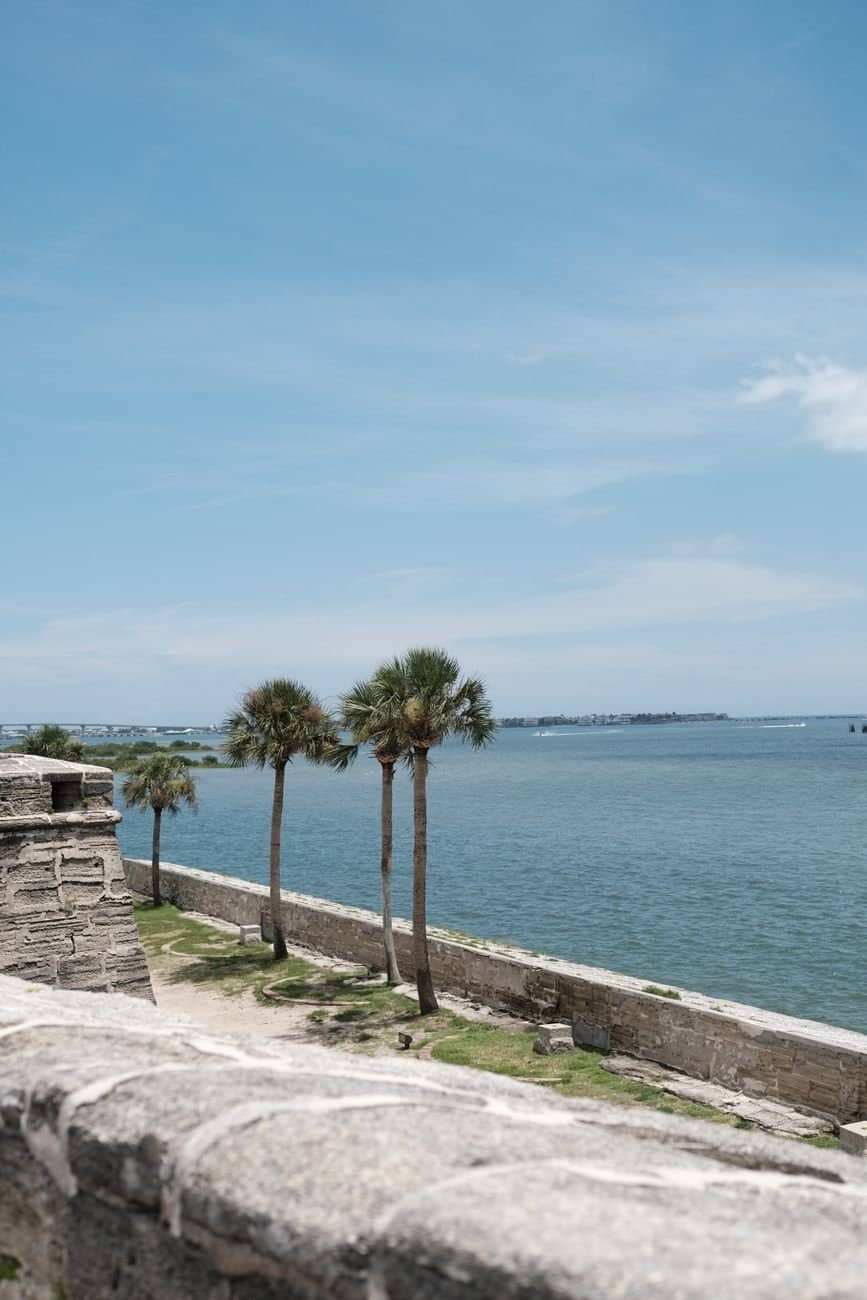
- Castillo de San Marcos: Built by the Spanish between 1672 and 1695, the oldest masonry fort in the continental United States. Its coquina shell walls are real, its history is real, and the National Park Service interprets it honestly
- The Flagler College building (Ponce de León Hotel): Genuinely one of the finest examples of Spanish Renaissance Revival architecture in the country, built in 1888 and worth an interior tour
- The Lightner Museum: The Alcazar Hotel converted to a museum, with an extraordinary collection of Gilded Age decorative arts that few people come to St. Augustine specifically to see but almost no one regrets visiting
- The Fountain of Youth Archaeological Park: Touristy name, genuine archaeology — the site contains remains of the original 1565 Spanish settlement and Timucua burial grounds
What to Know About the Ghost Tour and Haunted City Narrative
St. Augustine competes with Savannah for the title of “Most Haunted City in America,” a designation that is primarily a marketing achievement. The ghost tour industry here is substantial, active, and largely built on stories assembled and amplified for commercial purposes beginning in the late 20th century. The actual history of St. Augustine — 500 years of colonial violence, cultural encounter, and strategic importance — is genuinely more interesting than any of the haunting narratives. Go for the history. The ghost stories are optional.
St. Augustine is manageable and enjoyable if you go in with appropriate expectations — a city where the historical layers are real but have been heavily marketed, and where the best experiences come from the things that don’t have big signs in front of them: the Castillo at dusk, the Flagler College courtyard, the Lincolnville neighborhood just west of downtown where African American history during segregation is preserved and interpreted. That’s where the less-told story of this 500-year-old city lives.