Sioux Falls Has Been South Dakota’s Fastest-Growing City for a Decade. Here’s What Brought People There
We may earn money or products from the companies mentioned in this post. This means if you click on the link and purchase the item, I will receive a small commission at no extra cost to you ... you're just helping re-supply our family's travel fund.
Sioux Falls, South Dakota has a population of about 200,000 people, sits on the Big Sioux River in the southeast corner of the state, and has been one of the consistently fastest-growing mid-size cities in the Northern Plains for a decade. The growth isn’t driven by a specific industry breakthrough or a celebrity endorsement — it’s driven by a set of structural advantages that are less exciting to read about than they are powerful in practice.
What’s Driving Sioux Falls Growth — and What the City Is Becoming
South Dakota has no state income tax, no corporate income tax, and some of the most favorable trust and banking laws in the United States — the banking industry developed here specifically because of those legal conditions, and Sioux Falls is the state’s financial services capital. Credit card companies, banks, and financial services firms have significant operations here for regulatory reasons. The financial services economy has created a professional class that has funded the downtown revival that makes Sioux Falls increasingly livable.
The Structural Advantages
- No South Dakota state income tax
- Median home price approximately $310,000–$350,000
- Unemployment: consistently among the lowest in the country
- Average commute time: under 18 minutes
- Crime rate: significantly below national average for a city its size
What Sioux Falls Has as a Place
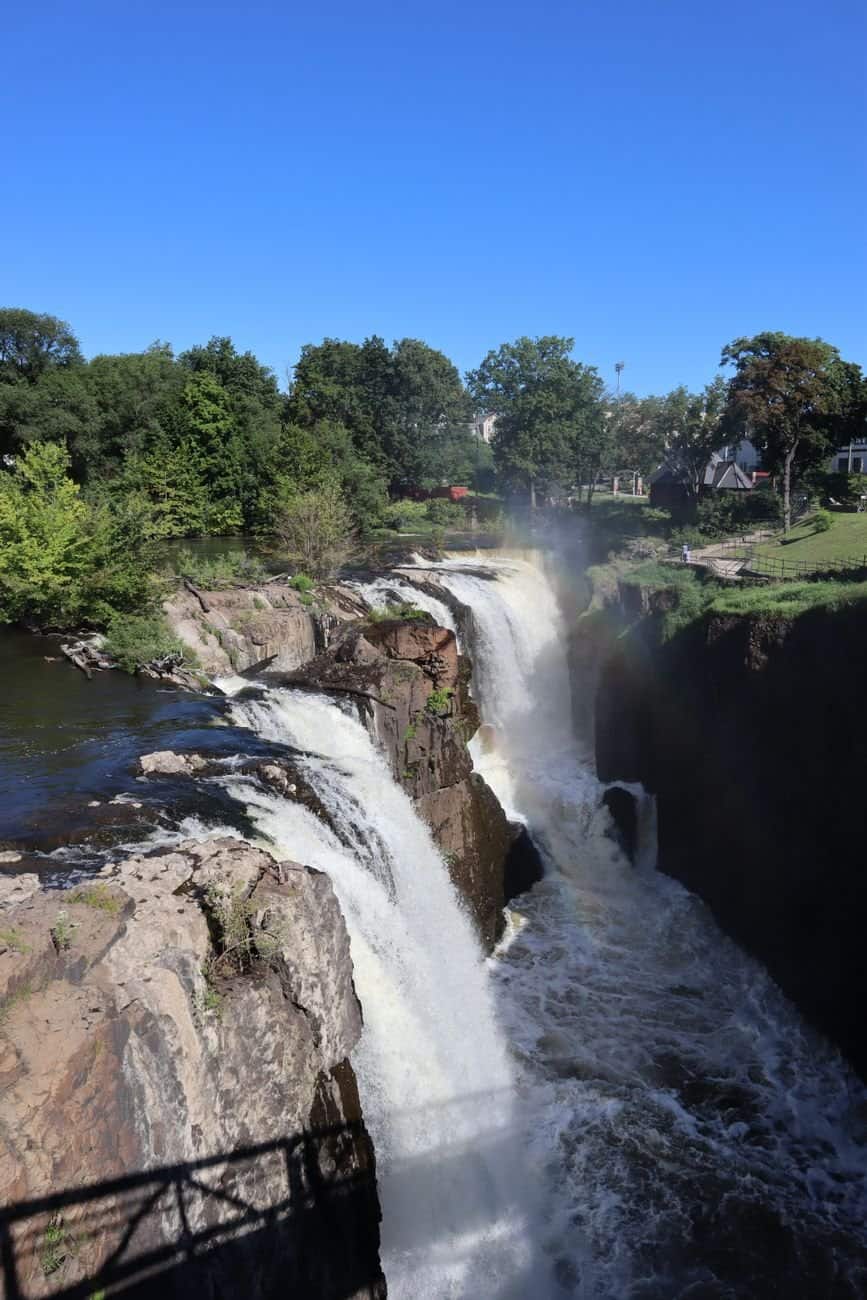
Falls Park — the city’s centerpiece, where the Big Sioux River drops over pink quartzite rock formations in the middle of the urban area — is a genuinely beautiful urban park that provides a distinctive physical identity most mid-size Plains cities lack. The downtown Sculpture Walk has grown to over 50 permanent sculptures and seasonal installations that make downtown walkable as an art experience, not just a commercial one. The Denny Sanford Premier Center arena brings concerts and events that a city of this size wouldn’t typically attract, driven by the financial services economy’s purchasing power.
What Sioux Falls Doesn’t Have
Significant mountains, ocean access, or a major research university. The cultural scene is growing but still calibrated to a mid-size Plains city, not a coast. International airport connections require routing through Minneapolis, Chicago, or Denver. Winters are cold — January averages around 12°F — though moderated compared to Fargo or Minneapolis by its more southerly latitude. These are genuine trade-offs that serious consideration requires acknowledging.
Sioux Falls is worth visiting specifically during Sculpture Walk season (spring through fall) and as a gateway to the Badlands (3 hours west on I-90) and the Black Hills (4 hours). For people running numbers on where to live, the no-income-tax, low-cost, functional-city formula is real. The city isn’t for everyone — but the people who move there for the right reasons tend to stay.