Pittsburgh Has Been Reinventing Itself Since 1983. Here’s the Version Nobody Outside Pennsylvania Knows About
We may earn money or products from the companies mentioned in this post. This means if you click on the link and purchase the item, I will receive a small commission at no extra cost to you ... you're just helping re-supply our family's travel fund.
Pittsburgh’s last steel mill closed in 1983. In the four decades since, the city has undergone a reinvention that urban planners study and journalists write about admiringly — but that almost no one outside the eastern seaboard seems to know has happened. The Pittsburgh in most Americans’ heads is a steel city with orange skies and mill workers. The Pittsburgh that exists today has more in common with Austin or Portland than with the industrial city it used to be.
What Pittsburgh Actually Is Now
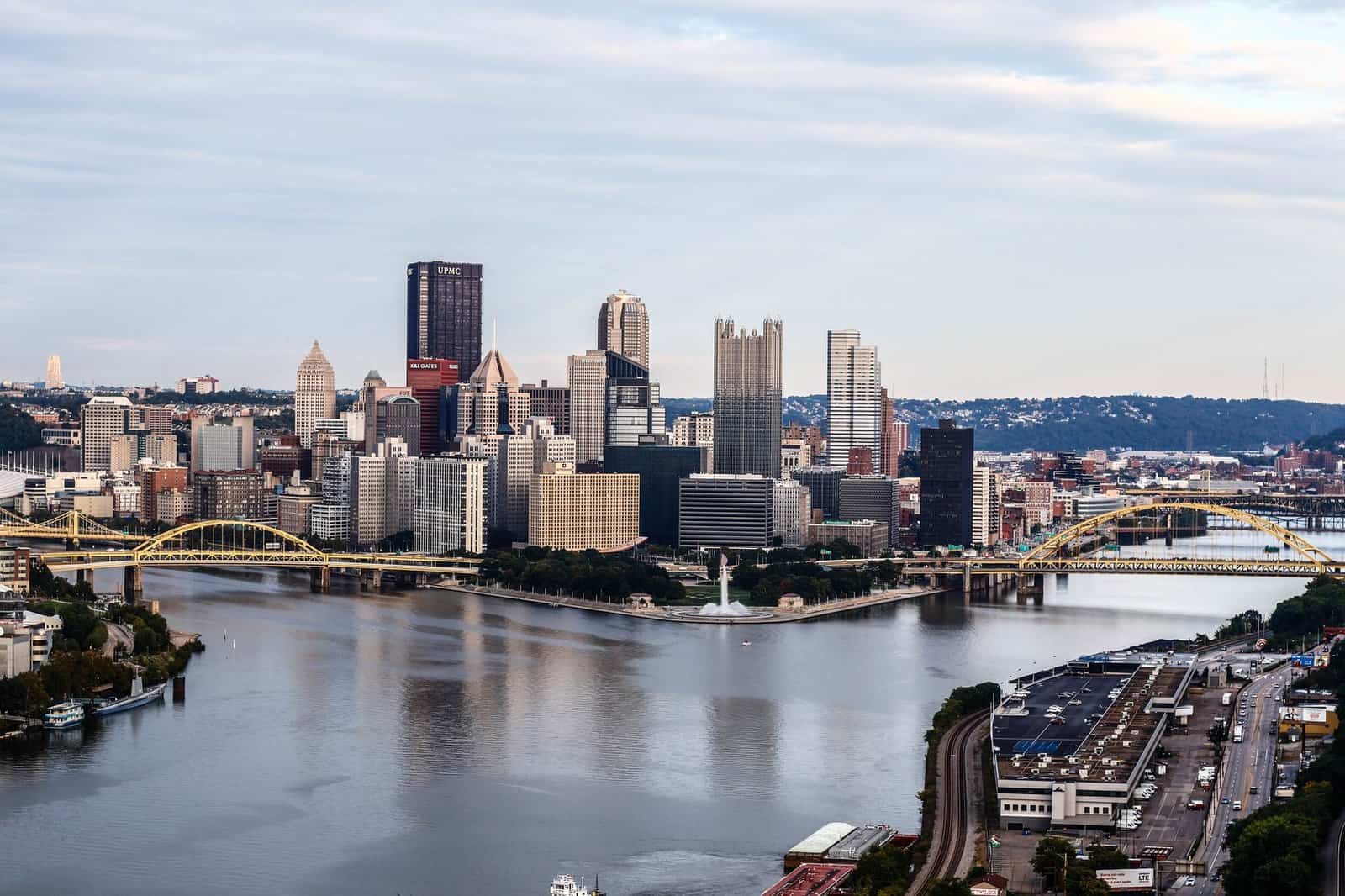
Pittsburgh’s current economy runs on healthcare, higher education, robotics, and AI research. Carnegie Mellon University’s computer science department is ranked among the top three in the world. UPMC is one of the largest hospital networks in the country. Google, Apple, Uber, and dozens of technology companies have opened significant offices in Pittsburgh, drawn by CMU research partnerships and by the cost structure — office space and employee housing costs are a fraction of what they’d pay in San Francisco or New York.
The Neighborhoods
- Lawrenceville: The most obvious transformation — former industrial corridor now packed with independent restaurants, bars, and boutiques along Butler Street
- East Liberty: The tech neighborhood, with Bakery Square (a converted Nabisco factory) serving as the symbolic center of Pittsburgh’s tech renaissance
- Strip District: Still the best food market in Pittsburgh, a weekend morning institution — the Pennsylvania Macaroni Company has been there since 1902
- Squirrel Hill: One of the most vibrant Jewish neighborhoods in the United States, with excellent restaurants and a walkable commercial district on Murray Avenue
- Mt. Washington: The ridgeline above the city with the Duquesne and Monongahela Inclines — for the view of downtown, genuinely breathtaking
Why Pittsburgh Doesn’t Get Tourism Credit
Pittsburgh suffers from a perception lag. The city’s transformation is real and has been ongoing for 40 years, but the mental model most Americans have of Pittsburgh was formed in the 1970s and 1980s and hasn’t been updated. Travel media has been slow to cover it — Pittsburgh lacks the photogenic obvious hook (no beach, no mountains, no famous landmark beyond its bridges) that gets a city profile written. The result: a genuinely excellent city that remains dramatically under-visited relative to its actual quality.
The Cost Advantage Is Extraordinary
Pittsburgh is one of the few cities in the United States where you can still eat excellently, stay well, and explore actively for under $200 per day including accommodation. Downtown hotels regularly run $120–$160 on weekday nights. Restaurants in Lawrenceville are priced like 2015 Portland. The Carnegie Museum of Natural History and Carnegie Museum of Art share a building and charge a combined admission — both are genuinely world-class and almost always uncrowded.
Pittsburgh’s bridges are its most famous feature — over 400 bridges, more than any city outside Venice. The view of downtown from the Point State Park confluence, where the Allegheny and Monongahela rivers form the Ohio, is one of the best urban views in the eastern United States. This city has been quietly building something real for four decades. Most people just haven’t looked.