Medford Is Bigger Than Ashland—85,000 Residents and 2,700 Acres of Pears Point to a Different Southern Oregon Experience
We may earn money or products from the companies mentioned in this post. This means if you click on the link and purchase the item, I will receive a small commission at no extra cost to you ... you're just helping re-supply our family's travel fund.
Medford is the Rogue Valley’s practical center: a city of roughly 85,000 people with a regional airport, two hospital systems, warehouse districts, and a food-and-farm economy that predates its tasting rooms. It is easy to reduce southern Oregon to Ashland’s theaters or Bend’s outdoor brand. That leaves out the place where many of the valley’s errands, paychecks, and flights actually happen. Medford is not polished into a single postcard. That is precisely why a visit can feel useful rather than staged.
A river valley built to grow things
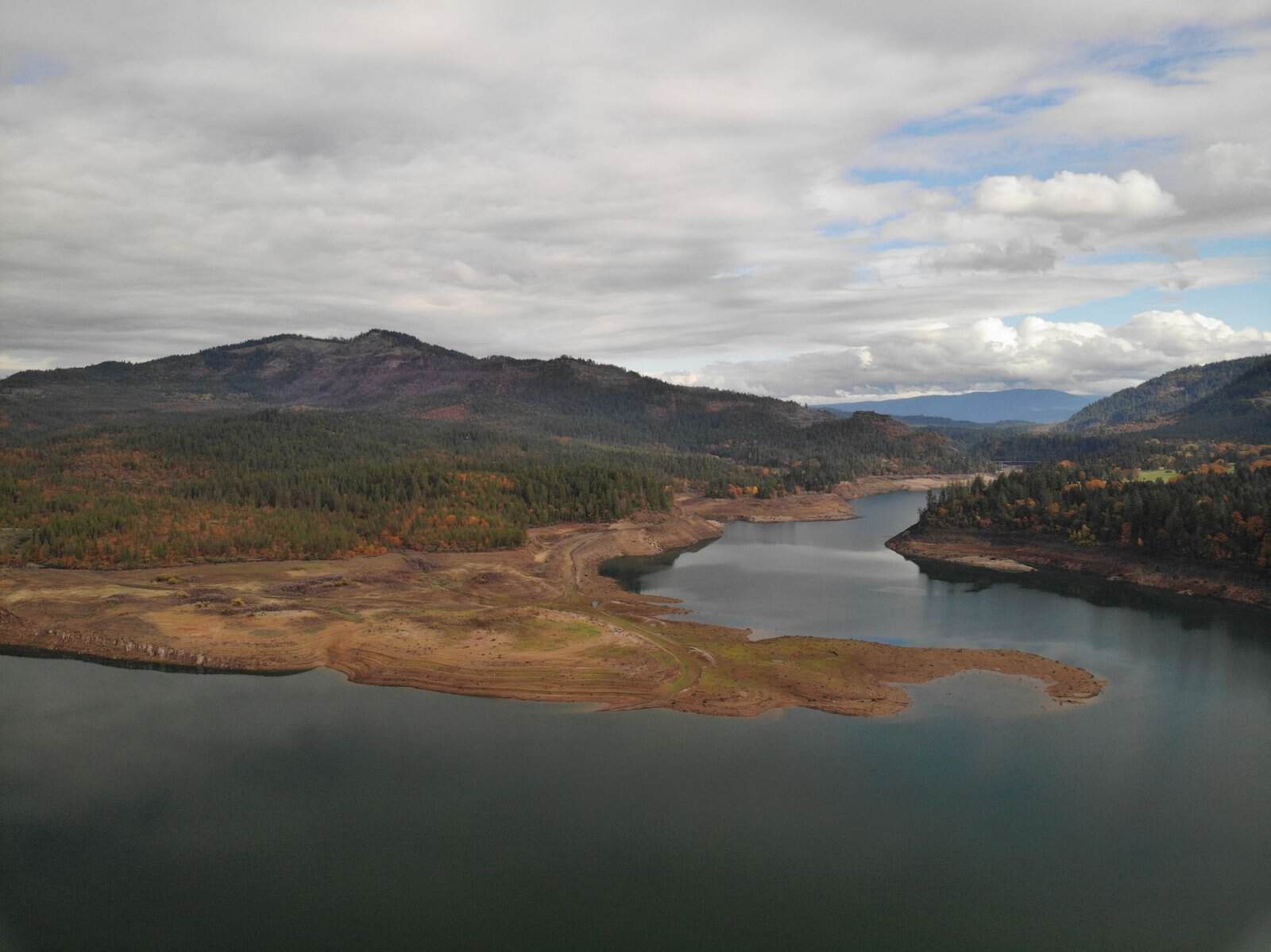
The valley’s agricultural identity is visible in the scale of the land around town. Pear orchards remain a defining crop, vineyards sit on warmer slopes, and the Rogue River runs through a region bounded by the Siskiyou and Cascade ranges. Medford’s population is several times Ashland’s, but its center is lower-slung and more commercial. The airport is one of the state’s busiest outside Portland, a reminder that this is a service hub for Jackson, Josephine, and Klamath counties rather than a destination invented for a weekend.
A working city, not an arts-campus annex
Start with the map. Downtown Medford is compact, while the city’s daily life spreads along Riverside Avenue, Barnett Road, and the commercial corridors near Interstate 5. Ashland lies about 13 miles south, Jacksonville is a short drive west, and winery country begins before the city has fully disappeared in the rear-view mirror. That proximity creates a more honest itinerary: morning coffee downtown, an afternoon at a vineyard or on the river, then dinner without pretending every block has been preserved for visitors.
The Rogue Valley rhythm
The payoff is choice without a manufactured lifestyle. A traveler can book a room near the airport and be in Jacksonville’s historic core, Ashland’s Lithia Park, or the Upper Rogue in under an hour depending on traffic and season. The limitation is equally real: Medford has arterial roads, parking lots, and the uneven development pattern of a regional city. Treat those as evidence of what the city does for the valley, not as a failed version of a resort town.
The price of choosing access over fantasy
Housing conversations explain the local tension. Southern Oregon attracted remote workers and retirees during the early 2020s, while wildfire risk, insurance, and constrained building capacity complicated the market. Medford generally offers a lower entry point than Ashland, but it is no longer an inexpensive escape by national standards. Workers in schools, farms, retail, and health care feel the gap first. Visitors who spend only at the winery gate will miss the economic story that makes the scenery possible.
- Fly into Rogue Valley International–Medford Airport rather than treating Portland as the default gateway.
- Pair a winery stop with a meal or shop in Medford, Central Point, Talent, or Phoenix.
- Check smoke and fire conditions before booking a summer outdoor itinerary.
- Use Jacksonville for historic streets and Medford for the region’s everyday energy.
- Plan river days around water conditions, not a fixed social-media calendar.
What an attentive visit changes
The most useful way to approach this subject is to separate a memorable image from the system that produces it. A river valley built to grow things is not an abstract theme; it is visible in schedules, property choices, staffing, roads, and the small decisions that residents make every week. A traveler does not need expert credentials to notice those connections. They do need enough time to look past the quickest version of the story and enough humility to avoid mistaking a short stay for total knowledge.
That distinction changes the itinerary. Instead of trying to collect every landmark, leave room for a normal block, a local meal at an ordinary hour, a bus or walk that follows daily movement, and a conversation in which the visitor listens more than they perform expertise. The point is not to claim an insider identity after a weekend. It is to come away with a better question about how place, work, culture, and money fit together.
Pay attention to the operating details
Operating details often explain more than promotional language. Look at when a street is busy, how long the drive actually takes, what people carry out of shops, where public space ends, and whether an attraction depends on a fragile landscape or a workforce with limited housing. These observations make travel more interesting because they restore cause and effect. A beautiful view can remain beautiful while becoming less anonymous.
There is also a practical benefit. Travelers who plan with context are less likely to arrive at the wrong hour, overbook a day, ignore seasonal constraints, or spend all their money inside the most expensive corridor. They can make choices that are kinder to their own energy and more useful to the places hosting them. The result is not a perfect trip. It is a trip that has a chance to be both enjoyable and proportionate.
This approach also leaves room for disagreement and change. Local conditions evolve: a storefront closes, a route gains service, a storm alters access, a new employer shifts demand, or a community decides that an old arrangement no longer works. Treating a destination as fixed makes every update look like a disappointment. Treating it as a living place makes updates part of the reason to return. The traveler’s job is not to preserve a preferred image of somewhere else. It is to arrive prepared, observe carefully, and accept that the people who live there have a longer relationship with its future. That is why a return visit can be more valuable than a larger checklist: familiarity makes the changes visible, and it makes a guest less likely to confuse novelty with importance. It can also make a traveler more patient with an imperfect day, more considerate about capacity, and more willing to find value outside the single attraction that originally prompted the trip. Over time, this habit produces a more durable travel memory: not just a record of where someone went, but a more grounded account of how the place worked while they were there. The added context makes recommendations more useful because it explains who benefits, what is fragile, and why a detail that seems minor may shape a local day.
Use Medford as a base, not a substitute
Medford works best when the expectation is calibrated. It is a mid-size western city with orchards, vineyards, medical jobs, freight traffic, and mountain access all sharing the same basin. That combination will not deliver a uniform experience. It delivers something rarer: a credible look at the Rogue Valley beyond the two names most travelers already know.