Helena, Montana Has Been the State Capital for 150 Years. Almost Nobody Outside Montana Knows What’s There
We may earn money or products from the companies mentioned in this post. This means if you click on the link and purchase the item, I will receive a small commission at no extra cost to you ... you're just helping re-supply our family's travel fund.
Bozeman gets the ski resort attention. Missoula gets the University of Montana creative class coverage. Glacier gets the national park coverage. Helena, the state capital, gets almost none of it — despite being the most historically layered city in Montana, having outdoor access that starts minutes from downtown, and sitting in a valley surrounded by wilderness that most of the state’s famous parks can’t match for solitude. This is the Helena case.
The Gold Rush History That Created Helena
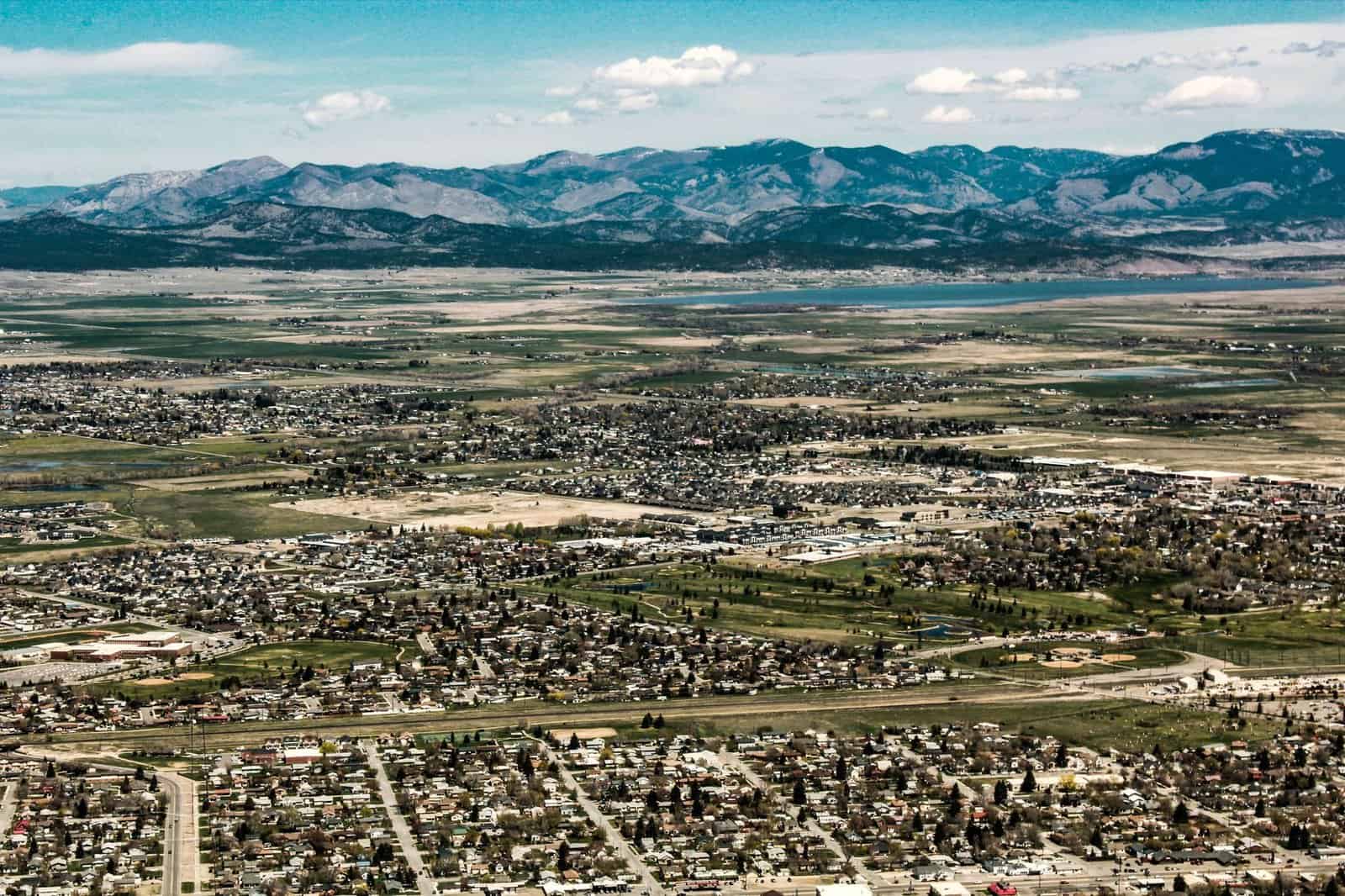
Helena began as Last Chance Gulch — a gold placer mining site discovered in 1864 by a group of prospectors who’d been unsuccessful everywhere else in Montana. The gold deposit was significant enough to fund a city that grew rapidly and ambitiously. By the 1880s, Helena had more millionaires per capita than any city in the United States, and the Victorian architecture those fortunes built is still visible throughout the city. The historic walking district, still called Last Chance Gulch, is a pedestrian mall lined with 1880s–1910s brick buildings that haven’t been sanitized into a theme park version of the era.
The Gates of the Mountains Wilderness — The Thing Helena Has That Nobody Talks About
Twenty miles north of downtown Helena, the Missouri River cuts through a limestone canyon that Lewis and Clark named the Gates of the Mountains in 1805 — one of the most dramatic passages on their entire journey. The canyon walls rise 1,200 feet above the river. A boat tour runs through the canyon seasonally, operating from the Gates of the Mountains Recreation Area. The canyon tour is one of the most authentic Lewis and Clark-connected experiences available anywhere along their route, and it operates with crowds that are a fraction of what comparable experiences in more publicized parks would draw.
What Helena Offers as a Travel Destination
Worth your time in Helena:
- Montana Historical Society Museum: one of the best state history museums in the West, including an extensive Charles M. Russell collection
- Montana State Capitol: open for tours, with a Paxson mural cycle and the largest collection of Russell paintings in a public building
- Gates of the Mountains boat tour: 105 years of continuous operation, $18/adult — one of the most significant outdoor cultural experiences in Montana
- Mount Helena City Park: 620 acres of trails directly from the downtown perimeter
- Cathedral of St. Helena: modeled on the Votivkirche in Vienna, genuinely impressive and free to enter
The Cost — Helena Is Still at Pre-Boom Montana Prices
Helena’s median home price is approximately $340,000 in 2026 — significantly below Bozeman and Missoula, though above its pre-2020 baseline. For a travel destination, hotel prices run $120–$180/night for mid-range options and $180–$250/night for the best in the city. The dining scene is smaller than Bozeman or Missoula but has several restaurants worth seeking out, particularly Helena’s farm-to-table establishments that source from the surrounding agricultural valleys.
As a travel stop between Glacier National Park and Yellowstone — which is how many travelers drive Montana — Helena is the most substantive stop on that corridor, with more historical depth, better hiking access from the city limits, and better restaurants than the other towns along the way. Giving it a full day and a night instead of a gas stop reveals a Montana city that has spent 150 years being the center of something important without needing to market itself to outsiders to know it.
Helena as the Least Touristy State Capital
Helena’s state capital identity gives it infrastructure — the state government buildings, the Carroll College campus, the State Historical Society library — that most Montana cities of 32,000 don’t have. The Cathedral of Saint Helena, a Gothic Revival cathedral modeled on the Votive Church in Vienna and completed in 1924, has twin towers visible from most of the city and an interior that rivals the best historic churches in the Mountain West. The tours are free and the building is genuinely extraordinary for a city its size.
The Gates of the Mountains Wilderness north of Helena — named by Lewis and Clark for the limestone cliffs that appear to open and close as you travel along the Missouri River — is accessible by boat tour from the Gates of the Mountains Recreation Area 20 miles north of the city. The 2-hour boat tour runs May through September ($18/adult) and travels through the same Missouri River canyon that Lewis and Clark paddled in July 1805. The wilderness around the tour route has been burned significantly by the Dearborn fire in recent years, which has opened views that were previously forested — a change in the landscape that guides discuss honestly.