Glenwood Springs’ Hot Springs Pool Opened in 1888 and Is Still the World’s Largest. Here’s How to Do a Winter Soak Right
We may earn money or products from the companies mentioned in this post. This means if you click on the link and purchase the item, I will receive a small commission at no extra cost to you ... you're just helping re-supply our family's travel fund.
The Glenwood Hot Springs Pool in western Colorado first opened to the public on July 4, 1888, and its Grand Pool is still billed as the world’s largest hot springs pool. The short version of how to do a winter soak right: go early or on a weekday, plan your drive or train around mountain weather, move between the big pool and the hotter therapy pool, and pack for cold air on wet skin.
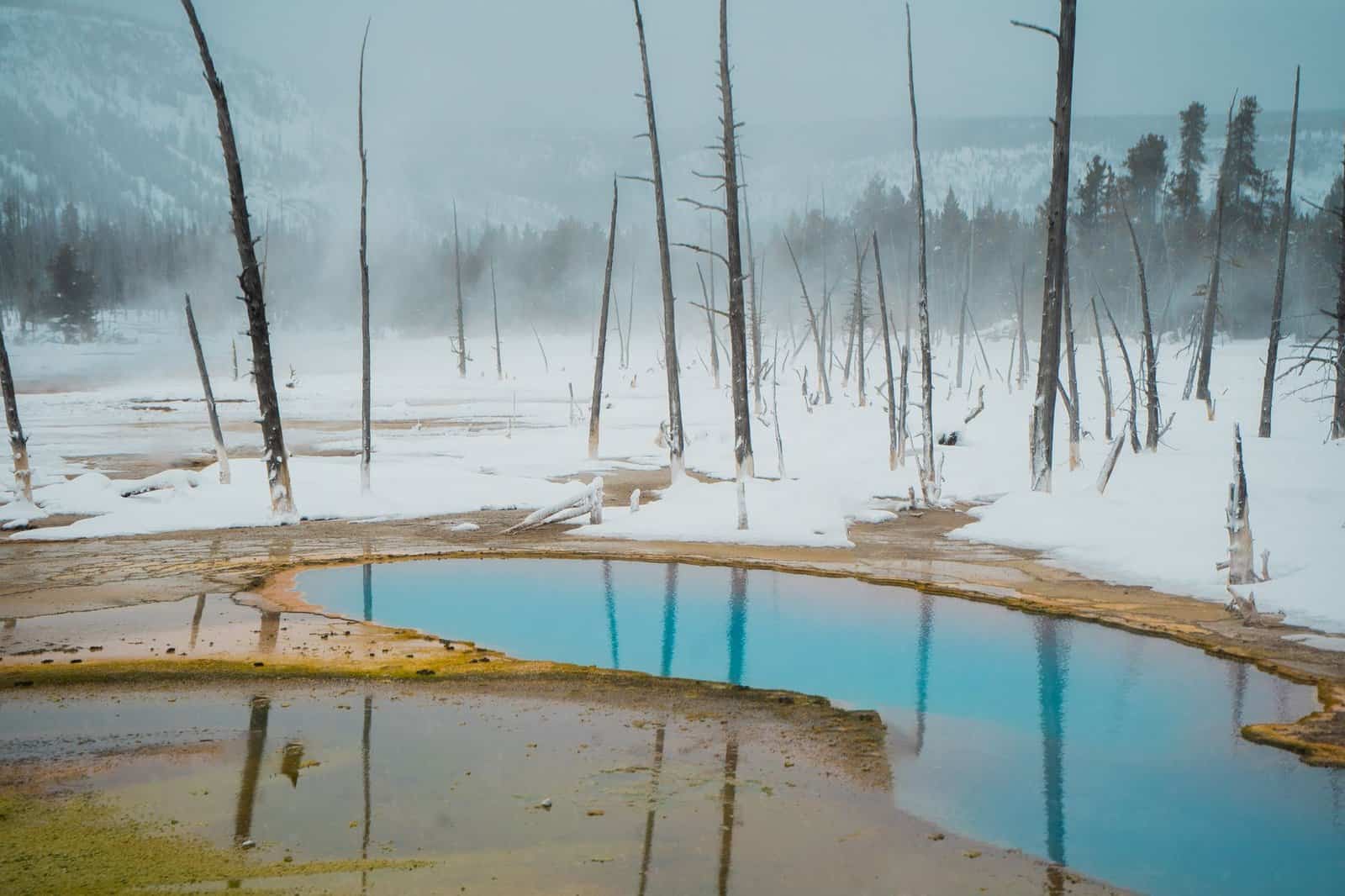
According to Glenwood Hot Springs Resort, the Grand Pool measures 405 feet long and 100 feet wide at its widest point, holds about 1,071,000 gallons of water, and is kept around 90 degrees Fahrenheit. A smaller therapy pool runs hotter. On a snowy day, steam rises off the water in thick clouds while snow falls on the swimmers.
That contrast is what makes a winter visit special, but it also takes some planning. Here is how to get it right.
How to do a winter soak at the Glenwood Hot Springs Pool
Winter is one of the most popular seasons for the pool, especially on holiday weekends and during ski season, when travelers stop on their way to and from the resorts. A few simple choices make the difference between a relaxed soak and a crowded, chilly scramble.
Go early, or go on a weekday
The pool is busiest on weekends, holidays, and afternoons when skiers come off the mountains. If you want space to swim and float, arrive soon after opening or plan a weekday visit. Early-morning soaks have another advantage: cold air above warm water creates the heaviest steam, and on a clear day you can watch the sun hit the mountains above town.
Evenings are also appealing, with the pool lit up after dark. Check the resort’s current hours, since they can change seasonally.
Move between the two main pools
The Grand Pool, at around 90 degrees, is warm enough to feel comfortable in cold air but cool enough for swimming laps or floating for a long time. The therapy pool is hotter, closer to typical hot tub temperatures. Many visitors alternate: soak in the hotter pool to warm up, then move to the Grand Pool for a longer swim.
Do not stay in the hottest water for too long, especially if you have heart conditions, are pregnant, or have been drinking. Take breaks and drink water.
Pack for cold air on wet skin
Walking from the changing rooms to the pool on a snowy day is the coldest part of the experience. A few items help:
- Flip-flops or water sandals for the pool deck.
- A warm hat you do not mind getting damp. Many winter soakers wear knit hats in the water.
- A robe or towel for the walk between buildings and pools.
- A water bottle, since hot water and high altitude both dehydrate you.
- A plastic bag for wet swimsuits on the drive home.
The resort rents towels and sells swim gear, but bringing your own saves money.
Watch the weather on I-70
Glenwood Springs sits at the western end of Glenwood Canyon on Interstate 70, about 160 miles west of Denver. In winter, the drive crosses high mountain passes and the Eisenhower-Johnson Memorial Tunnel at over 11,000 feet, where snowstorms can slow or stop traffic. Glenwood Canyon itself is narrow, and rockslides and closures have happened in the past.
Check road conditions on the Colorado Department of Transportation’s COtrip site before you leave. Make sure your vehicle has good tires or four-wheel drive, and be ready to wait out a storm if needed. Colorado’s Traction Law applies on I-70 in winter conditions.
Consider the train
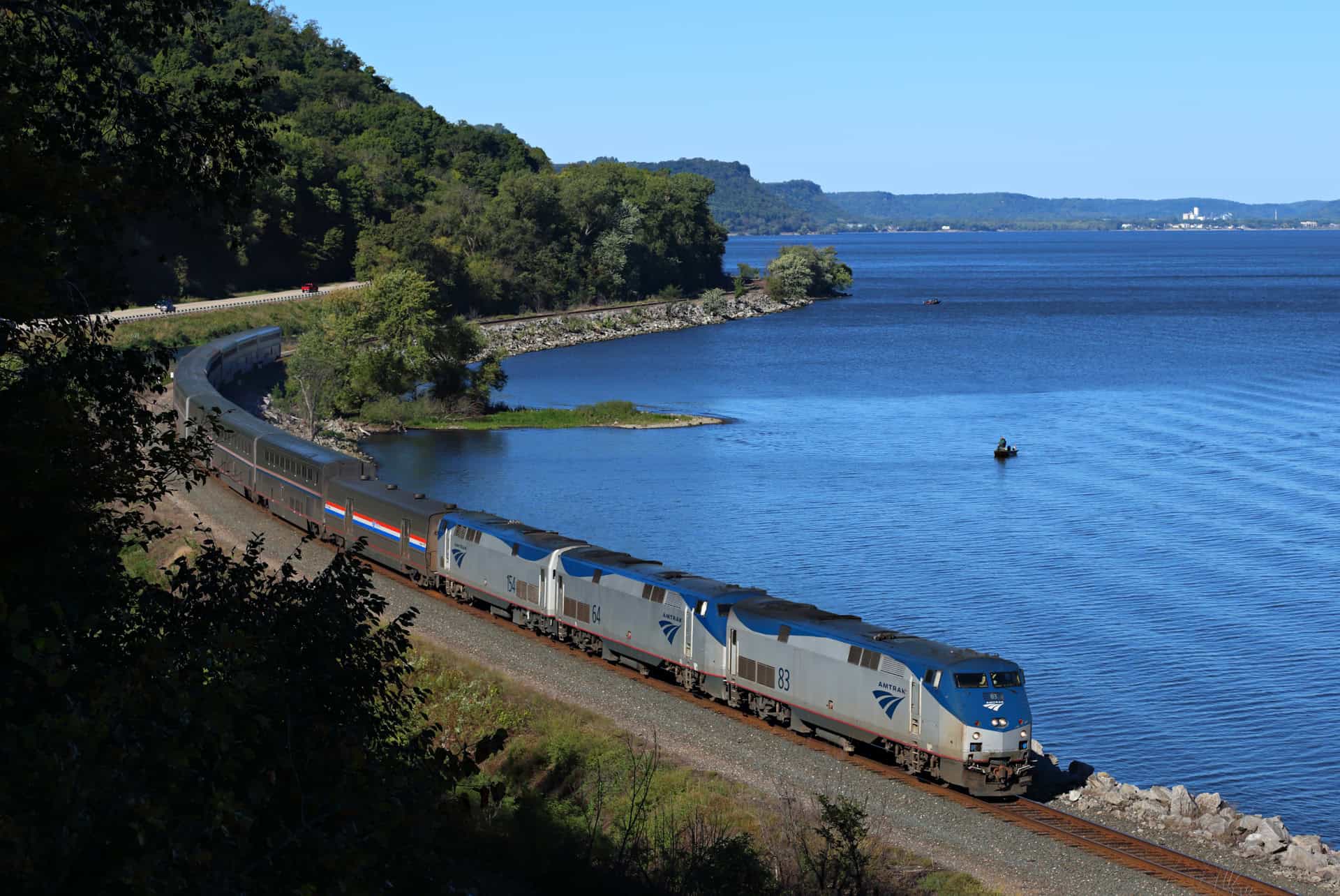
Glenwood Springs is a stop on Amtrak’s California Zephyr, which runs between Chicago and the San Francisco Bay Area and passes through the Colorado Rockies. Riding the train from Denver lets you skip winter mountain driving entirely and see Glenwood Canyon from a big window. The station is a short walk from the hot springs across the Colorado River via a pedestrian bridge.
Trains can run late in winter, so build some flexibility into your plans.
The history behind the world’s largest hot springs pool
The hot springs at Glenwood were used by the Ute people long before European American settlers arrived. The Utes called the springs “Yampah,” often translated as “big medicine.” The springs flow from the ground at high temperatures, and the water carries minerals like sodium, chloride, sulfate, and calcium.
In the 1880s, developers saw the springs as the foundation for a luxury resort. Construction began in 1886 on a stone diversion wall to redirect the Colorado River away from the springs, and work on the pool started in early 1888. Financed and built by Walter Devereux, the pool opened to the public on July 4, 1888, according to the resort’s history timeline. The original pool was even larger, at 615 feet by 75 feet, and set a world record at the time.
Glenwood Springs quickly became a destination for wealthy Victorians. The Hotel Colorado, built in 1893 near the pool, hosted visitors including President Theodore Roosevelt. The town also has a famous Wild West connection: Doc Holliday, the gunfighter and dentist, died in Glenwood Springs in 1887, and a memorial marks his presumed grave in Linwood Cemetery.
What else to do in Glenwood Springs in winter
A winter soak is the highlight, but Glenwood Springs has more to offer during the colder months:
- Sunlight Mountain Resort: A smaller, family-friendly ski area about 12 miles south of town. It is often cheaper and less crowded than the big resorts.
- Glenwood Caverns Adventure Park: A cave tour and amusement park on top of Iron Mountain, reached by gondola. Some rides are seasonal, but cave tours and the gondola offer winter views.
- Yampah Spa and Vapor Caves: Natural underground steam caves near the hot springs pool, used for soaking and spa treatments.
- Iron Mountain Hot Springs: Another hot springs complex in town, with many small soaking pools of different temperatures along the river.
- Downtown Glenwood: Restaurants, breweries, and shops within walking distance of the pool and train station.
If you are visiting Aspen, Vail, or other ski resorts, Glenwood Springs also makes a good stop on the way. Aspen is about 40 miles away via Highway 82.
What a winter soak costs
Admission to the Glenwood Hot Springs Pool varies by season, day of the week, and age, with discounts for children and seniors. Prices are typically higher on weekends and holidays. Lodging packages at the resort’s hotel often include pool access.
Expect to pay more for extras like towel rentals, lockers, and food at the poolside cafe. If you want to save, bring your own towel and pack snacks to eat before or after your soak. Check the resort’s website for current prices before you go.
Tips for families and first-timers
The Grand Pool has shallow and deep areas, plus water slides that operate seasonally. Families with small children will want to stay in the shallow areas and watch children closely. Lifeguards are on duty, but the pool is large and can be busy.
If you have never soaked in hot springs before, start slow. The warm water and altitude can make you feel tired or lightheaded, especially after a long drive. Drink water, take breaks, and do not overdo it on your first visit.
Where to stay
Staying overnight turns a soak into a real getaway and takes the pressure off winter driving. Options in Glenwood Springs include:
- The resort’s own lodge: Rooms next to the pool, with stays that typically include pool admission.
- The Hotel Colorado: The historic 1893 hotel a short walk from the pool, for travelers who want period architecture and a sense of the town’s Victorian past.
- Downtown hotels and inns: Walkable to restaurants, the train station, and the pedestrian bridge to the pool.
- Chain hotels near I-70: Often cheaper and easy to reach by car, with a short drive to the pool.
Winter holiday weeks, especially between Christmas and New Year’s, fill quickly. Book early if you are planning a visit then.
A sample winter day in Glenwood Springs
Here is how a good day might look:
- Arrive in Glenwood Springs on the morning train or by car after checking road conditions.
- Check in early at your hotel, or store your bags if allowed.
- Soak at the Glenwood Hot Springs Pool late morning, when the steam is still thick and crowds are lighter.
- Have lunch downtown, then walk along the Colorado River.
- Take the gondola up to Glenwood Caverns for views, or visit the Vapor Caves.
- Return to the pool for an evening soak under the lights.
Why it still matters
More than 130 years after it opened, the Glenwood Hot Springs Pool is still a working piece of Colorado history. It is big enough that even on busy days you can find a spot to float, and the mountain setting makes every visit feel like an escape.
Winter is when the experience is at its most memorable. Steam rising off a pool the length of more than a football field, snow on the cliffs above, and 90-degree water all around you: that is what people have been coming to Glenwood Springs for since 1888.