When a City Goes Viral, Hashtags Are the Easy Part — Timed Entry, Shuttles, and Enforcement Decide What Visitors Face
We may earn money or products from the companies mentioned in this post. This means if you click on the link and purchase the item, I will receive a small commission at no extra cost to you ... you're just helping re-supply our family's travel fund.
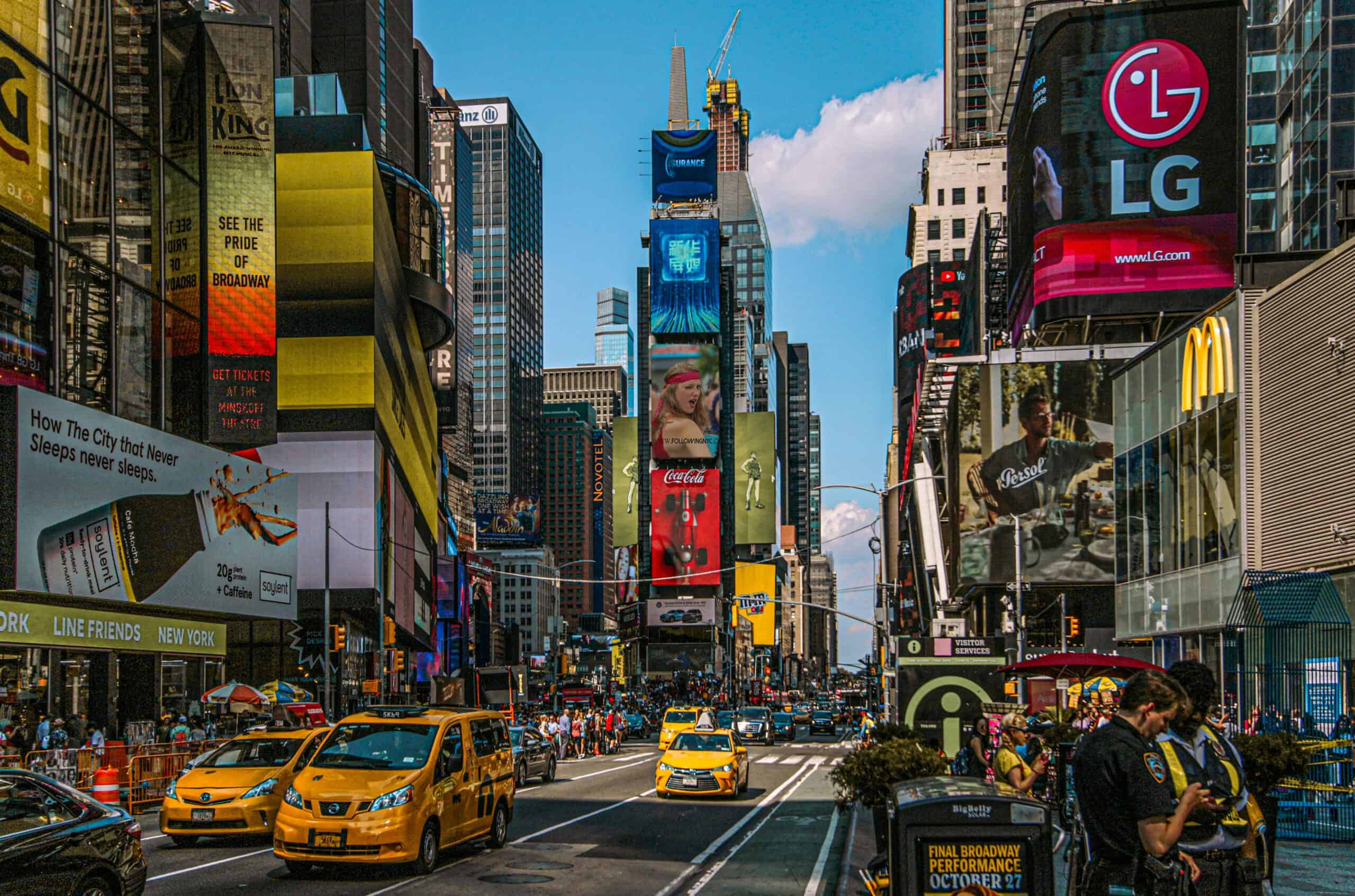
A viral post can push thousands of people toward a trail, neighborhood, or cafe before local infrastructure has a chance to adjust. The response must separate access from chaos. Common tools include reservation systems, paid parking, pedestrian zones, shuttle service, visitor caps, and communication that tells people where not to go. Each works differently depending on whether the problem is traffic, erosion, housing, or crowd behavior.
What the place actually asks of a visitor
The least effective response is denial. By the time a place is visibly overwhelmed, residents have usually been absorbing the cost for months through noise, blocked driveways, and strained services. Visitors can help by booking timed entry, using transit, avoiding geotagging fragile spots, and choosing licensed businesses that pay local staff. Those choices are practical, not performative.
The detail that changes the itinerary
Common tools include reservation systems, paid parking, pedestrian zones, shuttle service, visitor caps, and communication that tells people where not to go. Each works differently depending on whether the problem is traffic, erosion, housing, or crowd behavior. A viral post can push thousands of people toward a trail, neighborhood, or cafe before local infrastructure has a chance to adjust. The response must separate access from chaos.
Common tools include reservation systems, paid parking, pedestrian zones, shuttle service, visitor caps, and communication that tells people where not to go. Each works differently depending on whether the problem is traffic, erosion, housing, or crowd behavior. A viral post can push thousands of people toward a trail, neighborhood, or cafe before local infrastructure has a chance to adjust. The response must separate access from chaos. The responsible choice is to verify current conditions with local operators and public agencies, then leave enough margin for weather, crowds, and the ordinary delays that make travel real.
How to make the visit feel less generic
Going viral is not a permanent identity. A city’s goal should be a manageable visitor economy that remains livable after the social-media cycle moves on. The least effective response is denial. By the time a place is visibly overwhelmed, residents have usually been absorbing the cost for months through noise, blocked driveways, and strained services.
Going viral is not a permanent identity. A city’s goal should be a manageable visitor economy that remains livable after the social-media cycle moves on. The least effective response is denial. By the time a place is visibly overwhelmed, residents have usually been absorbing the cost for months through noise, blocked driveways, and strained services. The responsible choice is to verify current conditions with local operators and public agencies, then leave enough margin for weather, crowds, and the ordinary delays that make travel real.
A practical plan before you go
Visitors can help by booking timed entry, using transit, avoiding geotagging fragile spots, and choosing licensed businesses that pay local staff. Those choices are practical, not performative. Going viral is not a permanent identity. A city’s goal should be a manageable visitor economy that remains livable after the social-media cycle moves on.
Visitors can help by booking timed entry, using transit, avoiding geotagging fragile spots, and choosing licensed businesses that pay local staff. Those choices are practical, not performative. Going viral is not a permanent identity. A city’s goal should be a manageable visitor economy that remains livable after the social-media cycle moves on. The responsible choice is to verify current conditions with local operators and public agencies, then leave enough margin for weather, crowds, and the ordinary delays that make travel real.
Details worth carrying with you
The strongest visit begins by refusing the false choice between enthusiasm and realism. A traveler can be excited about a place while still noticing its limits, the work that supports it, and the people who live there after the visitor leaves.
That perspective also improves the day itself. It slows the urge to collect every landmark, creates room for a second look, and leaves time for the small observations that do not appear in a route planner.
Practical preparation is part of respect. Check operating hours, seasonal conditions, road rules, and reservations before arrival. Then spend less energy solving avoidable problems and more energy paying attention.
There is no need to turn every stop into an argument about authenticity. The useful question is simpler: what does this place make possible, and what does it ask in return from the people who come here?
The strongest visit begins by refusing the false choice between enthusiasm and realism. A traveler can be excited about a place while still noticing its limits, the work that supports it, and the people who live there after the visitor leaves.
That perspective also improves the day itself. It slows the urge to collect every landmark, creates room for a second look, and leaves time for the small observations that do not appear in a route planner.
Practical preparation is part of respect. Check operating hours, seasonal conditions, road rules, and reservations before arrival. Then spend less energy solving avoidable problems and more energy paying attention.
There is no need to turn every stop into an argument about authenticity. The useful question is simpler: what does this place make possible, and what does it ask in return from the people who come here?
The strongest visit begins by refusing the false choice between enthusiasm and realism. A traveler can be excited about a place while still noticing its limits, the work that supports it, and the people who live there after the visitor leaves.
That perspective also improves the day itself. It slows the urge to collect every landmark, creates room for a second look, and leaves time for the small observations that do not appear in a route planner.
- Common tools include reservation systems, paid parking, pedestrian zones, shuttle service, visitor caps, and communication that tells people where not to go. Each works differently depending on whether the problem is traffic, erosion, housing, or crowd behavior.
- Book transport and lodging around the specific season, not a generic annual average.
- Use local businesses for context, not simply as a stop between photographs.
Going viral is not a permanent identity. A city’s goal should be a manageable visitor economy that remains livable after the social-media cycle moves on. That is how a destination becomes a remembered place rather than a sequence of transactions.