Chattanooga to Nashville to Memphis: The Tennessee Trifecta Road Trip That Most People Plan Wrong
We may earn money or products from the companies mentioned in this post. This means if you click on the link and purchase the item, I will receive a small commission at no extra cost to you ... you're just helping re-supply our family's travel fund.
Tennessee’s three major cities sit in a nearly perfect road trip line: Chattanooga in the east with its outdoor access and waterfront revival, Nashville in the middle with its music industry and food scene, Memphis in the west with blues, barbecue, and Beale Street. The 350-mile I-40/I-24 corridor connecting them is one of America’s most rewarding back-to-back-to-back city road trips — and most people plan it in a way that shortchanges every stop.
The Right Time Allocation
The common mistake: allocating a single night in each city on a 3-night trip. That means driving through, sleeping, and leaving — not experiencing any of them. A proper Tennessee trifecta needs 6–7 nights: 2 nights in Chattanooga, 2 nights in Nashville, 2–3 nights in Memphis. That allocation allows actual engagement with each city’s specific offer rather than a check-the-box visit.
Chattanooga: What to Prioritize
Best 2-day Chattanooga plan:
- Day 1: Tennessee Riverwalk (2-3 hours), Tennessee Aquarium (3 hours), Southside neighborhood dinner
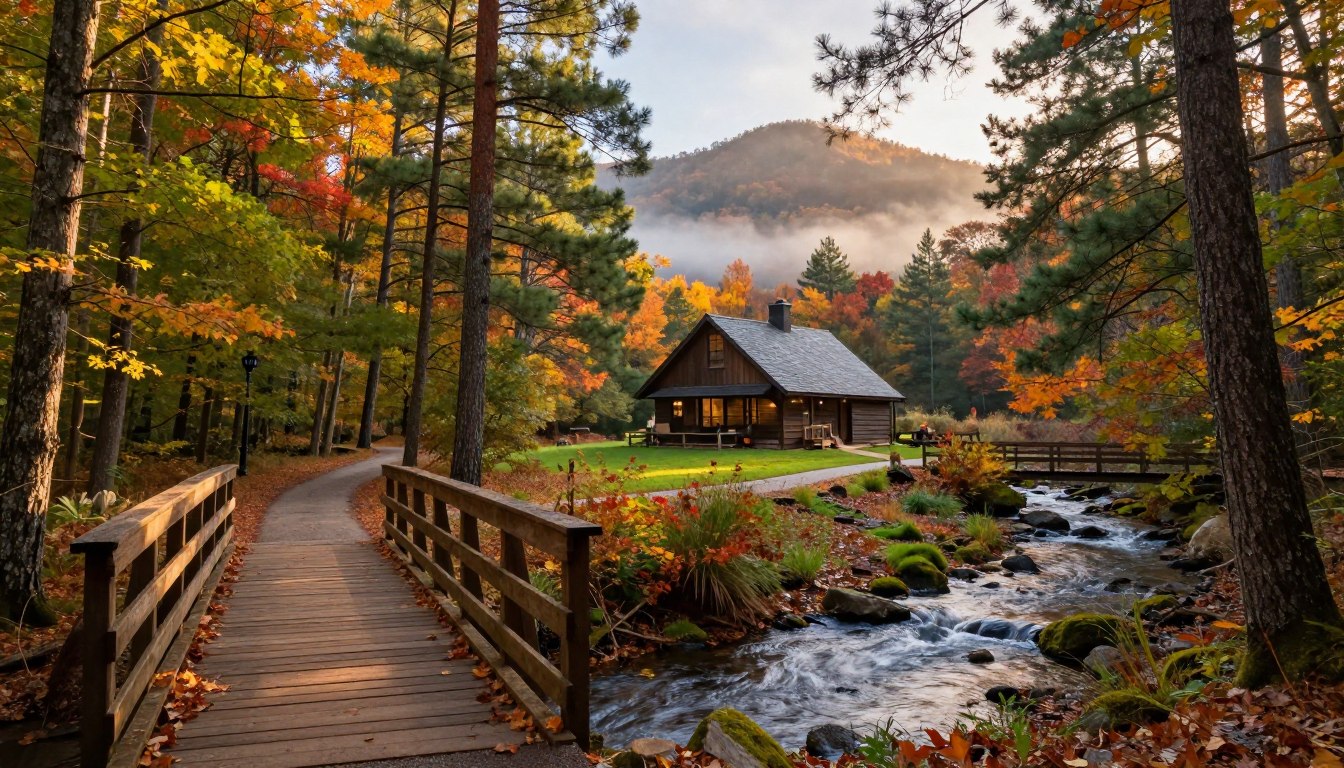
- Day 2: Lookout Mountain (Incline Railway + Point Park + Rock City), return via Ruby Falls optional add-on
- Hotel: Southside or Riverwalk area, $140–$200/night
Nashville: What to Prioritize (And What to Skip)
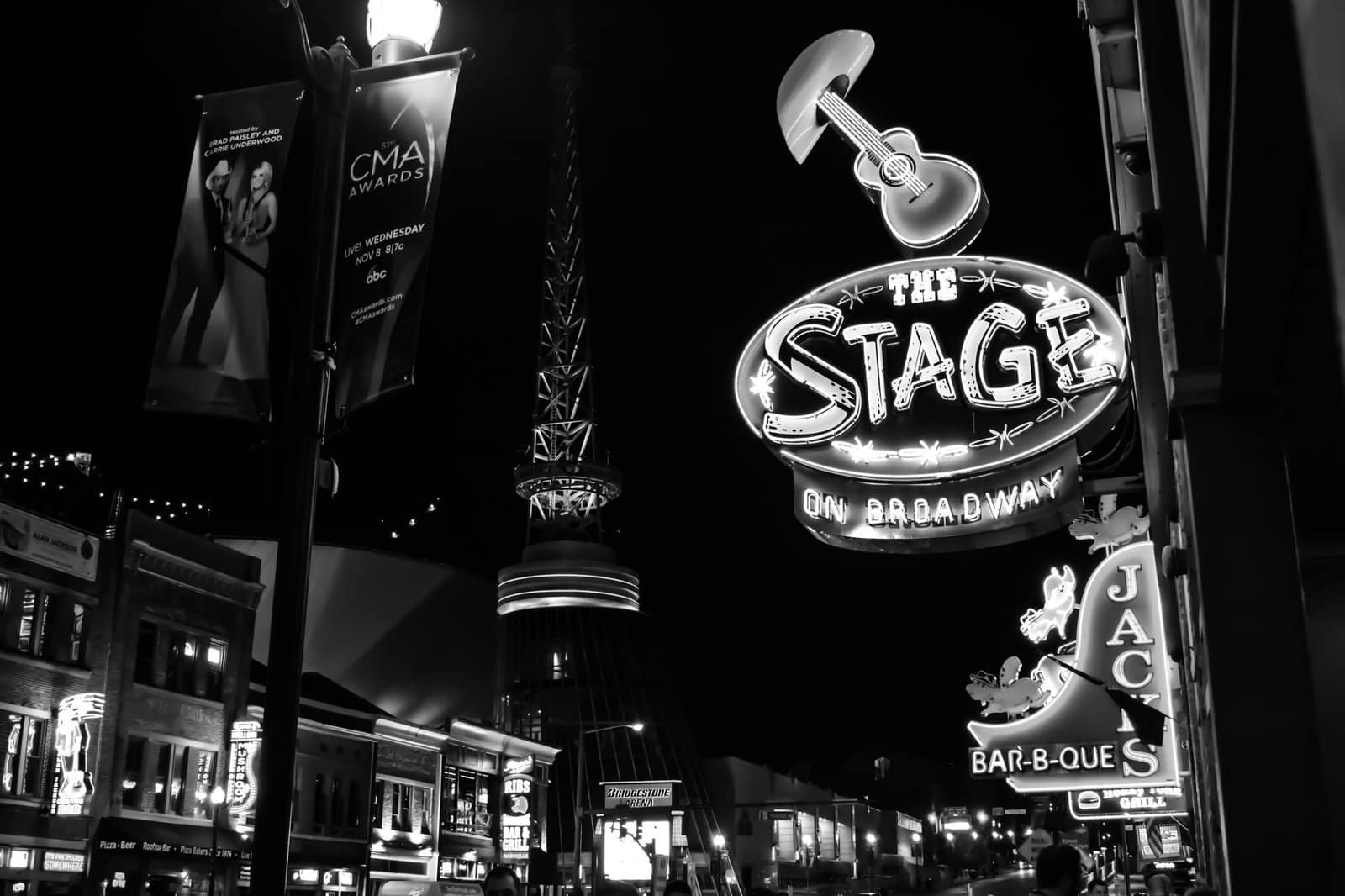
Nashville in 2026 is a different city from Nashville in 2015. The bachelorette party economy has reshaped Lower Broadway in ways that can make it feel more like a novelty strip than a music destination. The honky-tonks are still there, the live music starts early, and the best of them (Tootsie’s, The Stage) are genuinely worth an evening. But the Nashville that rewards the curious traveler is in 12South, East Nashville, the Gulch, and the Germantown neighborhoods — where the restaurant quality is high and the bar scene is local rather than imported-tourist.
Nashville must-do (2 days):
- Country Music Hall of Fame: 3–4 hours, legitimately the best music museum in the US
- Honky-tonk evening on Lower Broadway: 2–3 hours, mandatory once, probably not twice
- Breakfast at Biscuit Love (12South): the Nashville biscuit experience that the travel press got right
- Ryman Auditorium tour: the original Grand Ole Opry building, excellent exhibits on country music history
Memphis: The Most Historically Dense Stop on the Route
Memphis rewards more time than most Tennessee road trippers give it. The combination of Stax Museum of American Soul Music, the National Civil Rights Museum at the Lorraine Motel, Sun Studio (where Elvis, Cash, Jerry Lee Lewis, and Roy Orbison all recorded), and Beale Street creates a historically dense itinerary that needs at least two full days to absorb rather than rush through.
Memphis priorities (2–3 days):
- National Civil Rights Museum: half day minimum, one of the most important museums in the country
- Stax Museum of American Soul Music: 2 hours, in the original recording studio building, extraordinary
- Sun Studio tour: 1 hour, the most historically significant recording studio in American music
- Memphis barbecue (Central BBQ, Rendezvous, Charlie Vergos): this is not optional
- Graceland: expensive ($40–$80 depending on tour package), genuinely strange, worth it once
The Cost to Do This Trip Right
7-night Tennessee trifecta, 2 people:
- Hotels (7 nights, $170/night average): $1,190
- Food (7 days, $100/day for two): $700
- Attractions and activities (museums, tours, etc.): $250–$350 for two
- Gas (350 miles + in-city driving, about 500 miles total): $65
- Total estimate: $2,200–$2,350 for two people
The Tennessee trifecta is one of the best road trips in the American South for the money. Three cities with genuinely distinct identities, food cultures, and histories within 350 miles, with no portion of the drive exceeding 3 hours. The trip works in any direction, though west-to-east (Memphis to Chattanooga) ends on the outdoor recreation and natural scenery note rather than the music history note — choose the direction that matches the experience you want to carry away from it.
What the Tennessee Trifecta Offers Each City
Nashville provides the music infrastructure: the Country Music Hall of Fame and Museum (the most comprehensive institution dedicated to a single American music genre), the Ryman Auditorium (the Mother Church of Country Music, which hosts concerts year-round and daytime tours that include the stage where Hank Williams, Johnny Cash, and Patsy Cline performed), and the live music ecosystem of Lower Broadway honky-tonks that operates 365 days a year. The food scene has developed behind the music tourism — Prince’s Hot Chicken (the original Nashville Hot Chicken, invented in 1945) and the 12South and East Nashville restaurant neighborhoods provide dining that sustains a multi-night visit.
Memphis’s Beale Street is the most historically significant music corridor in the American South — the street where W.C. Handy formalized the blues structure in the early 20th century, where the Memphis music scene that produced B.B. King, Elvis Presley, Howlin’ Wolf, and Al Green was concentrated. Graceland, Elvis’s home and now a museum campus receiving 500,000 visitors annually, is specific to Memphis and the American popular culture story in a way that requires visiting rather than reading about. The National Civil Rights Museum at the Lorraine Motel, where Dr. King was assassinated in 1968, is one of the most significant civil rights institutions in the United States.