Bridges Freeze Before the Roads Around Them. 8 Rules for Driving on Black Ice This Winter
We may earn money or products from the companies mentioned in this post. This means if you click on the link and purchase the item, I will receive a small commission at no extra cost to you ... you're just helping re-supply our family's travel fund.
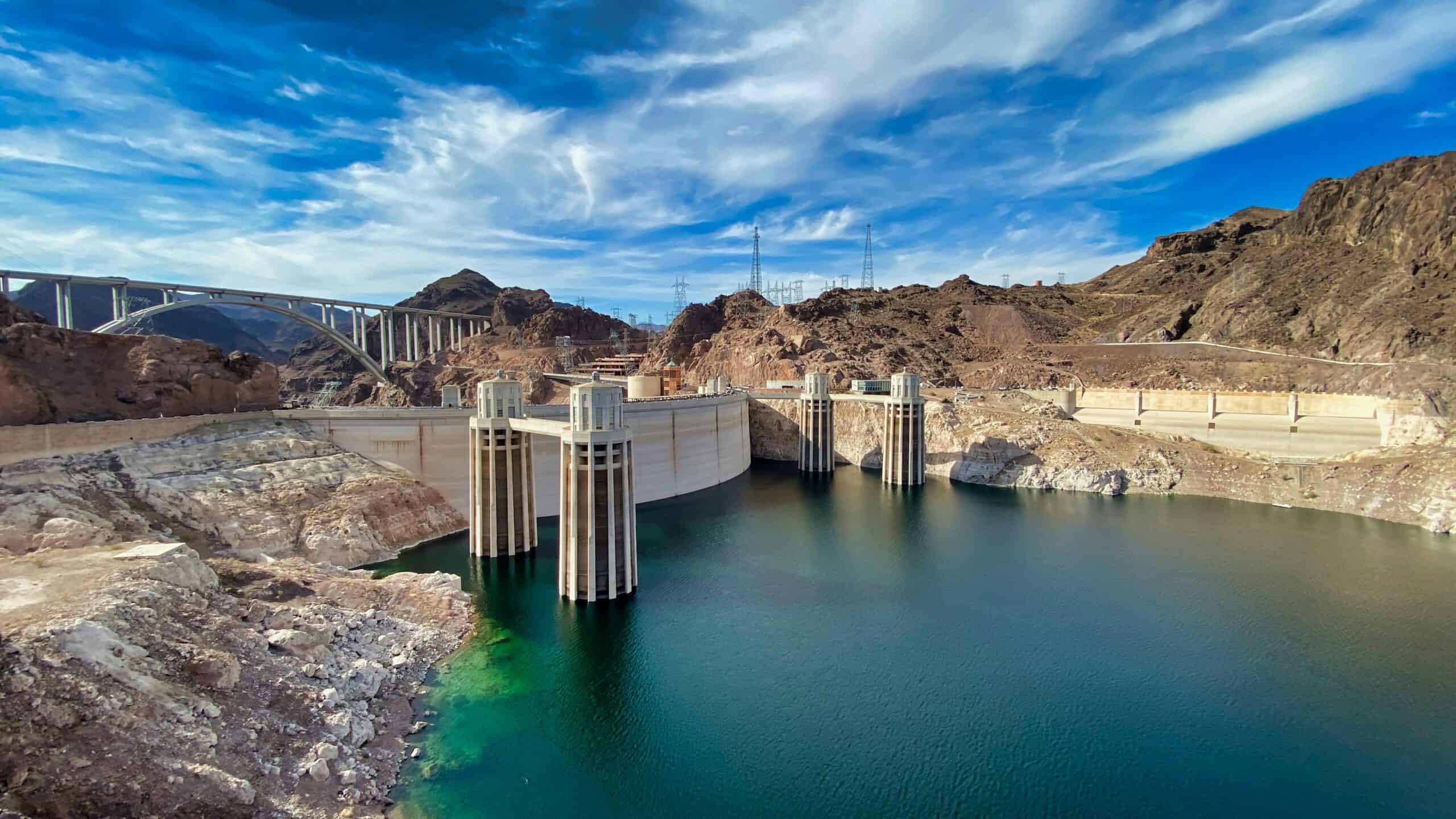
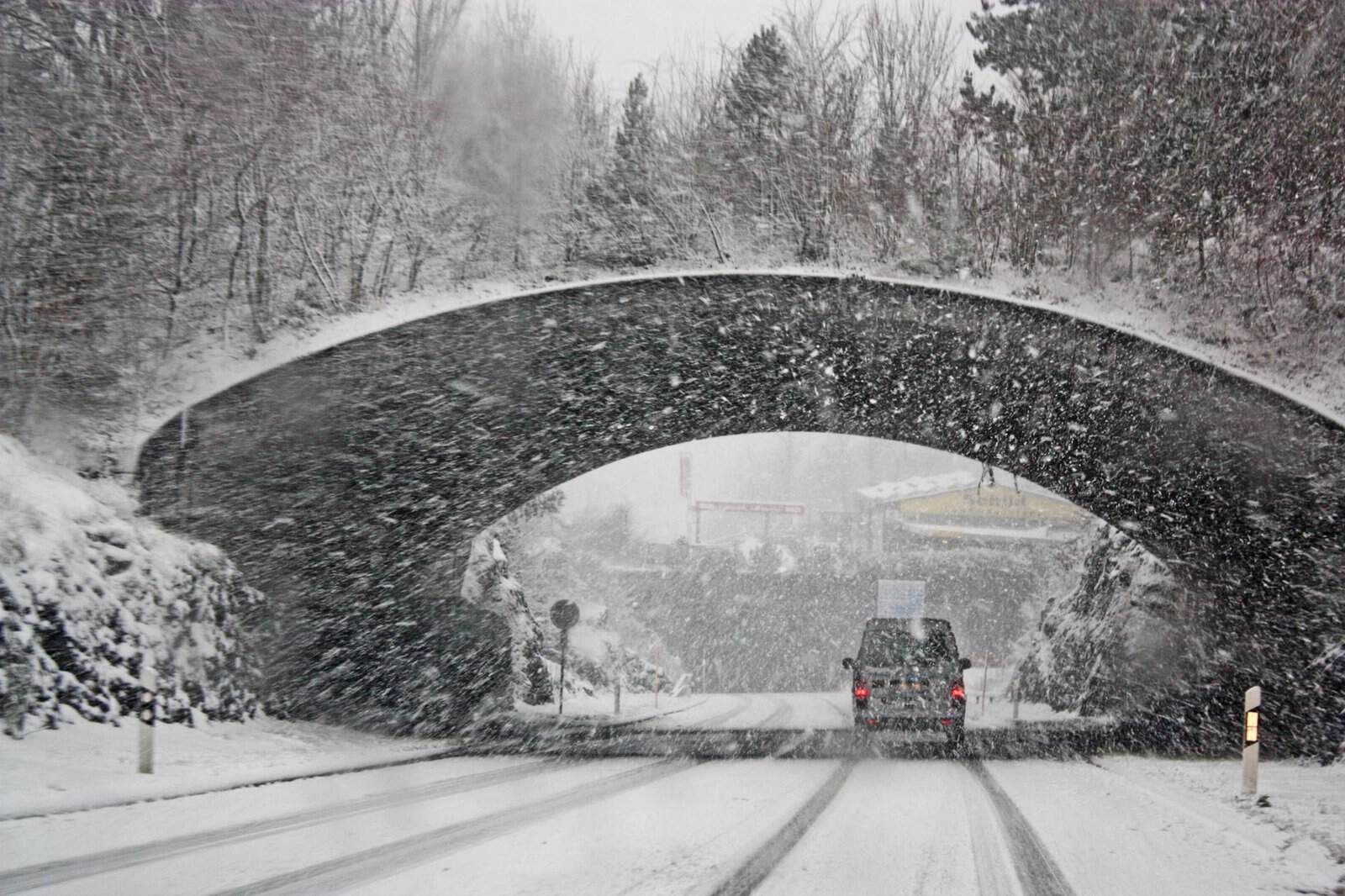
You have seen the yellow sign a thousand times: “Bridge Ices Before Road.” It is not a formality. Learning how to drive on black ice starts with knowing why that sign exists, because bridges and overpasses are often the first places a thin, nearly invisible layer of ice forms on a cold morning.
The National Weather Service explains it simply. A bridge has open air underneath it, so cold air surrounds the structure both above and below. A road on the ground is insulated by the earth beneath it, which holds heat longer. That means a bridge can freeze while the road leading up to it is still just wet. The NWS advises drivers to slow down before crossing a bridge if there is any chance it might be frozen, because changing speed on ice is dangerous. It also notes that freezing is not uniform: shaded parts of a road can be icy while sunny parts are not.
Black ice is a thin, clear coating of ice that takes on the color of the pavement beneath it, which is why it looks black and wet rather than white. Here are eight rules for handling it.
8 Rules for Driving on Black Ice
1. Know When Black Ice Forms
Black ice is most common when temperatures hover near freezing and moisture freezes on contact with cold pavement. Watch for:
- Early morning: After a clear, cold night, before the sun warms the road.
- Evening and night: As temperatures drop after sunset.
- After rain or melting: When wet roads refreeze.
- Freezing drizzle or fog: Which can glaze roads with a thin layer of ice.
- Temperatures from about 25 to 35 degrees Fahrenheit: Especially when it has been wet.
Your car’s outdoor temperature display is useful. When it reads near or below 32 degrees and the roads look wet, assume there may be ice.
2. Slow Down Before Bridges, Overpasses, and Shaded Spots
The highest-risk places for black ice are:
- Bridges and overpasses
- Shaded roads under trees, next to hills, or between tall buildings
- Curves, ramps, and hills
- Low spots where water collects
- Tunnel entrances and exits
Slow down before you reach these spots, not on them. The NWS warns that changing speed on ice is dangerous. Brake gently on dry or wet pavement before the bridge, then cross at a steady speed.
3. Leave 8 to 10 Seconds of Following Distance
On dry pavement, a following distance of three to four seconds is typical. AAA recommends increasing it to eight to ten seconds on icy, slippery surfaces. To check, pick a fixed point like a sign. When the car ahead passes it, count until you reach it. On ice, you need much more distance to stop, and AAA notes that stopping distance on ice at 0 degrees Fahrenheit is twice what it is at 32 degrees.
4. Skip Cruise Control
AAA and Ready.gov both advise against using cruise control on icy or slippery roads. Cruise control can keep powering the wheels when they lose traction, and it slows your reaction because your foot is not on the pedal. Keep full control of acceleration so you can ease off at the first sign of slipping.
5. Brake, Accelerate, and Steer Gently
On ice, sudden movements cause skids. Every input should be smooth and gradual.
- Accelerate slowly: Ease onto the gas to avoid spinning the wheels.
- Brake early and gently: Start slowing down well before you need to stop.
- Know your brakes: With anti-lock brakes, which most modern cars have, press firmly and steadily and let the system pulse. Do not pump them. Without anti-lock brakes, press gently and ease off if the wheels lock.
- Steer smoothly: Avoid sharp turns and quick lane changes.
- Avoid stopping on hills: AAA advises avoiding stopping or sudden acceleration on hills when possible.
6. If You Skid, Look and Steer Where You Want to Go
If your car starts to slide, the most important thing is not to panic.
- Ease off the gas: Do not slam on the brakes.
- Look where you want to go: Your hands tend to follow your eyes.
- Steer gently in that direction: If the rear of the car slides right, steer gently right, and vice versa.
- Be ready for a second skid: As the car straightens, it may slide the other way. Correct gently.
- If you hit a patch of black ice in a straight line: Keep the steering wheel steady, take your foot off the gas, and let the car pass over the ice.
7. Keep Your Car Ready for Ice
- Tires: Winter tires grip much better on ice and snow than all-season tires. Ready.gov recommends using winter tires where conditions call for them. At a minimum, make sure tread is deep and tires are properly inflated.
- Visibility: Clear all snow and ice from windows, lights, mirrors, and the roof before you drive.
- Wipers and washer fluid: Use winter wiper blades and fluid rated for freezing temperatures.
- Lights: Turn on headlights so others can see you.
- Emergency kit: Carry a winter car kit with a blanket, scraper, jumper cables, flashlight, water, snacks, and cat litter or sand for traction.
- Full tank: Ready.gov advises keeping the tank full to keep the fuel line from freezing.
8. Know When to Stay Off the Road
Sometimes the best way to drive on black ice is not to drive at all.
- Check forecasts: Look for freezing rain, freezing drizzle, and rapidly falling temperatures.
- Check road conditions: Use state 511 systems for road status and cameras.
- Delay your trip: Wait until mid-morning, when sun and traffic often help melt ice, or postpone travel.
- Listen to officials: When authorities say to stay home, stay home.
What About All-Wheel Drive?
All-wheel drive and four-wheel drive help you accelerate on slippery roads, but they do not help you stop or steer on ice. Many drivers in AWD vehicles drive too fast in winter because the car feels stable when accelerating. On black ice, an AWD SUV slides just like any other vehicle. Follow the same rules: slow down, leave space, and make gentle inputs.
Signs You May Be on Black Ice, and How to Drive on Black Ice Once You Are
- The road looks wet, but there is no spray from other tires
- The steering suddenly feels light
- You hear less road noise
- Other cars are sliding or driving unusually slowly
- You see a glossy sheen on the road surface, especially in headlights
If you notice any of these, ease off the gas, keep the wheel steady, and avoid braking hard.
If You Slide Off the Road
- Stay in the car: It protects you from wind, cold, and traffic.
- Turn on hazard lights: So others can see you.
- Call for help: 911 if anyone is injured or in danger, or roadside assistance.
- Clear the tailpipe: If you run the engine for heat, make sure snow is not blocking the exhaust.
- Wait for help: Walking along an icy road is dangerous.
For Holiday Road Trips
Late November and December road trips often include early-morning departures and late-night drives, exactly when black ice is most likely. Plan to leave after the sun has had time to warm the roads, avoid driving late at night in cold weather when possible, and build extra time into your schedule.
Practice in a Safe Place
If you are new to winter driving, practice in an empty, snowy, or icy parking lot during daylight, with permission. Try gentle braking, slow turns, and feeling how your car responds. Learn how your anti-lock brakes feel when they engage, so the pulsing does not surprise you on the road.
Common Mistakes on Black Ice
- Overconfidence in AWD or 4WD
- Following too closely
- Braking hard or on a bridge
- Using cruise control
- Driving on worn or underinflated tires
- Not clearing snow from the car
- Driving too fast for conditions, even below the speed limit
Where to Get Road Conditions
Most states run 511 traveler information websites and phone lines with road conditions, closures, and traffic cameras. Many state departments of transportation also post plow maps and winter updates on social media. Check before you leave and again during long trips.
Pedestrians and Black Ice
Black ice is dangerous on foot too. Parking lots, sidewalks, and driveways can be slick. Walk slowly, take short steps, keep your hands out of your pockets for balance, and wear boots with good tread or traction cleats when you get out of the car.
Dawn Departures
If you must leave early on a cold morning, give the roads extra respect for the first hour. Bridges, ramps, and shaded curves are the places most likely to still be icy after sunrise.
The Bottom Line
Bridges freeze before the roads around them because cold air surrounds them above and below. To drive on black ice safely, know when and where it forms, slow down before bridges and shaded spots, leave 8 to 10 seconds of following distance, skip cruise control, make every input gentle, steer where you want to go in a skid, keep your car ready, and stay home when conditions are bad.