Ashland, Oregon Stages Shakespeare for 400,000 People a Year. It Also Has 21,000 Year-Round Residents.
We may earn money or products from the companies mentioned in this post. This means if you click on the link and purchase the item, I will receive a small commission at no extra cost to you ... you're just helping re-supply our family's travel fund.
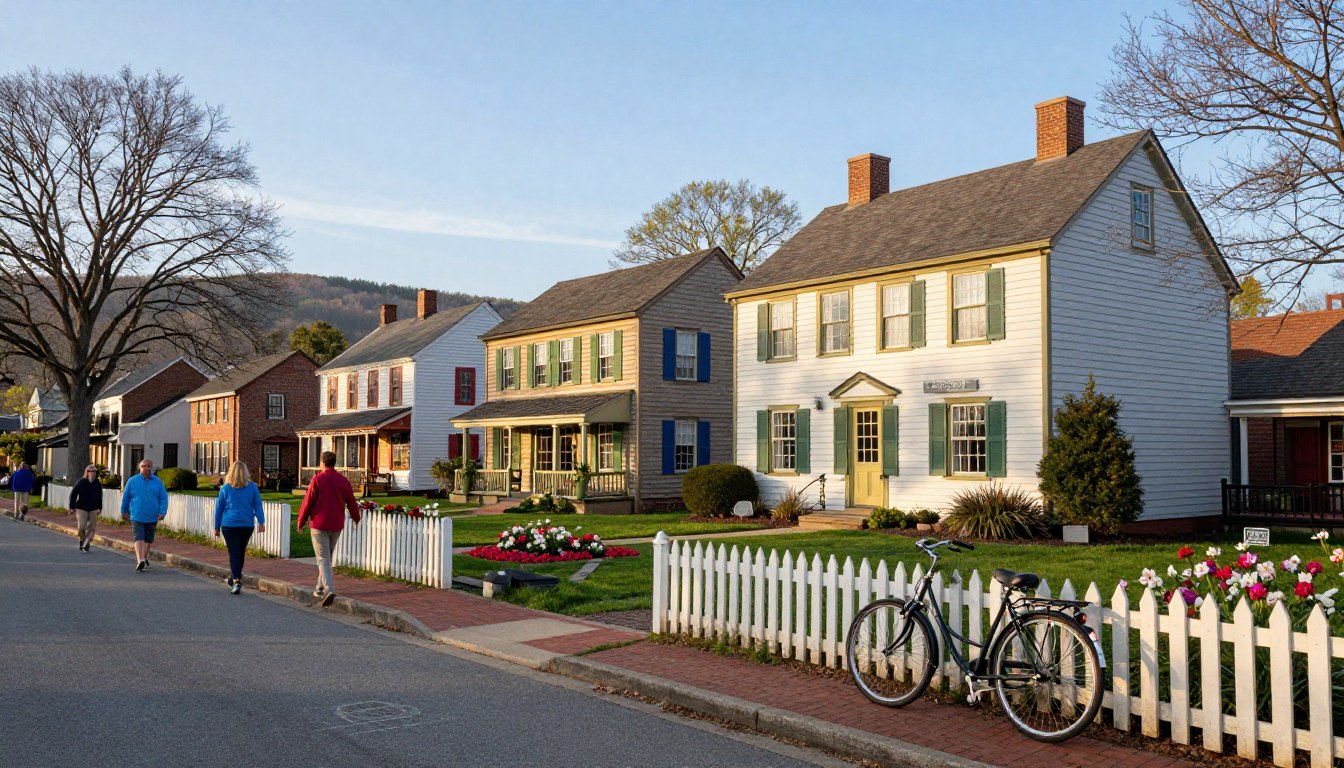
Ashland, Oregon, tucked against the Siskiyou Mountains near the California border, built one of the most improbable cultural institutions in American theater: the Oregon Shakespeare Festival, founded in 1935, now draws several hundred thousand visitors annually to a town of roughly 21,000 people, a ratio that shapes essentially every aspect of local life, from housing costs to restaurant hours to the town’s entire seasonal rhythm.
How a Small Oregon Town Became a Theater Capital
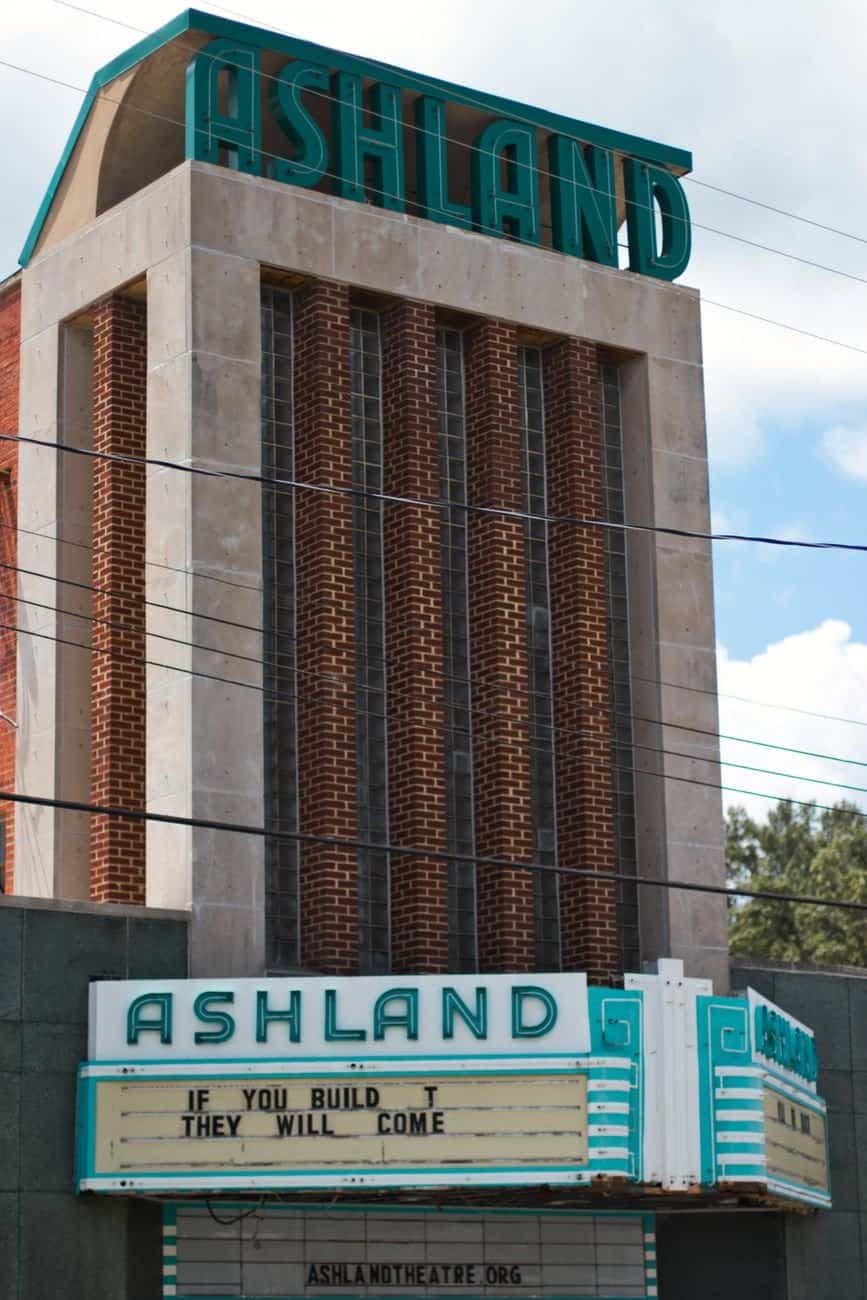
The festival operates multiple stages, including the outdoor Allen Elizabethan Theatre, and runs a season that stretches from February through October, employing hundreds of actors, designers, and technicians who relocate to Ashland for months at a time, creating a temporary but economically significant population surge that local businesses plan their entire year around.
Southern Oregon University provides the town’s other major institutional anchor, and the combination of a respected regional university and an internationally recognized theater festival has given Ashland a cultural density that few towns its size anywhere in the country can match, drawing residents specifically for that combination rather than for any other economic opportunity the region offers.
What It Costs to Live There Now
The Numbers Behind the Popularity
- Median home prices in Ashland have climbed well above the Oregon state average
- Festival-season lodging rates in town can double or triple compared to winter months
- Many festival and hospitality workers commute from Medford, roughly 15 minutes north, for lower rents
- The Ashland Independent Film Festival adds a second, smaller tourism surge each spring
Rising housing costs have pushed a meaningful share of the workforce that keeps Ashland’s tourism economy running, servers, hotel staff, and even some theater support personnel, into nearby Medford and Talent, commuting back into town for shifts during peak festival months when demand for lodging pushes local rents and short-term rental rates to levels that make year-round residency increasingly difficult for anyone not already established in the local housing market.
What keeps Ashland functioning despite these pressures is the sheer institutional weight of the festival itself, which has operated continuously for nearly ninety years and has become so deeply embedded in the town’s identity and economy that local officials have consistently prioritized policies protecting its operations, even as the broader housing affordability conversation playing out across most of the American West continues to affect Ashland just as significantly as it affects larger, more frequently discussed cities in the region.
What This Means Going Forward
The broader pattern here reflects something researchers and local officials increasingly track closely: the gap between how a place or trend is perceived from the outside and how it actually functions day to day for the people living inside it or making decisions about it. That gap rarely closes on its own, and it tends to widen further whenever outside attention, whether from tourism, media coverage, or social platforms, arrives faster than the underlying infrastructure or community capacity can absorb it.
What tends to happen next depends heavily on decisions made by the people closest to the situation, whether that means local governments, longtime residents, or the businesses that have to adapt fastest, and those decisions rarely get the same national attention as the initial trend or story that put the place on the map in the first place, even though they matter considerably more to how things actually turn out over the following decade.
The Longer-Term Trajectory
Longtime observers of this pattern note that the early years after a place or trend gains attention are rarely the ones that determine its lasting character. The more decisive period tends to arrive several years later, once the initial wave of interest either sustains itself through genuine infrastructure investment or fades as attention moves elsewhere, leaving behind whatever changes already took root during the busier years.
That delayed reckoning is precisely why comparisons across a full decade, rather than a single before-and-after snapshot, tend to produce a more accurate picture of what actually changed and what merely appeared to change while the cameras and headlines were still pointed in that direction.
Why This Keeps Getting Overlooked
Part of the reason this dynamic receives less attention than it probably deserves is structural: the initial story, whether a viral moment, a policy change, or a shift in travel patterns, is simply more compelling to cover than the slower, less dramatic process of adjustment that follows it over subsequent years, which rarely fits into a single headline or a short video.
That mismatch between what gets covered and what actually matters most to the people living through the change is a recurring feature of how places, trends, and communities get discussed publicly, and it tends to leave a persistent gap between popular perception and the more complicated reality on the ground.
What This Means Going Forward
The broader pattern here reflects something researchers and local officials increasingly track closely: the gap between how a place or trend is perceived from the outside and how it actually functions day to day for the people living inside it or making decisions about it. That gap rarely closes on its own, and it tends to widen further whenever outside attention, whether from tourism, media coverage, or social platforms, arrives faster than the underlying infrastructure or community capacity can absorb it.
What tends to happen next depends heavily on decisions made by the people closest to the situation, whether that means local governments, longtime residents, or the businesses that have to adapt fastest, and those decisions rarely get the same national attention as the initial trend or story that put the place on the map in the first place, even though they matter considerably more to how things actually turn out over the following decade.
The Longer-Term Trajectory
Longtime observers of this pattern note that the early years after a place or trend gains attention are rarely the ones that determine its lasting character. The more decisive period tends to arrive several years later, once the initial wave of interest either sustains itself through genuine infrastructure investment or fades as attention moves elsewhere, leaving behind whatever changes already took root during the busier years.
That delayed reckoning is precisely why comparisons across a full decade, rather than a single before-and-after snapshot, tend to produce a more accurate picture of what actually changed and what merely appeared to change while the cameras and headlines were still pointed in that direction.