A Tourist Stadium Needs More Than 20 Event Dates — Why Filling the Calendar Is the Real Economic Test
We may earn money or products from the companies mentioned in this post. This means if you click on the link and purchase the item, I will receive a small commission at no extra cost to you ... you're just helping re-supply our family's travel fund.
Cities often frame a new stadium as a visitor engine, but the outcome depends on location, scheduling, local leakage, and whether guests stay long enough to spend beyond the gate. A stadium can create visible activity on game days, especially when it sits in a walkable district with hotels, restaurants, and transit. It cannot automatically turn spending that local residents would have made elsewhere into new regional money.
What the place actually asks of a visitor
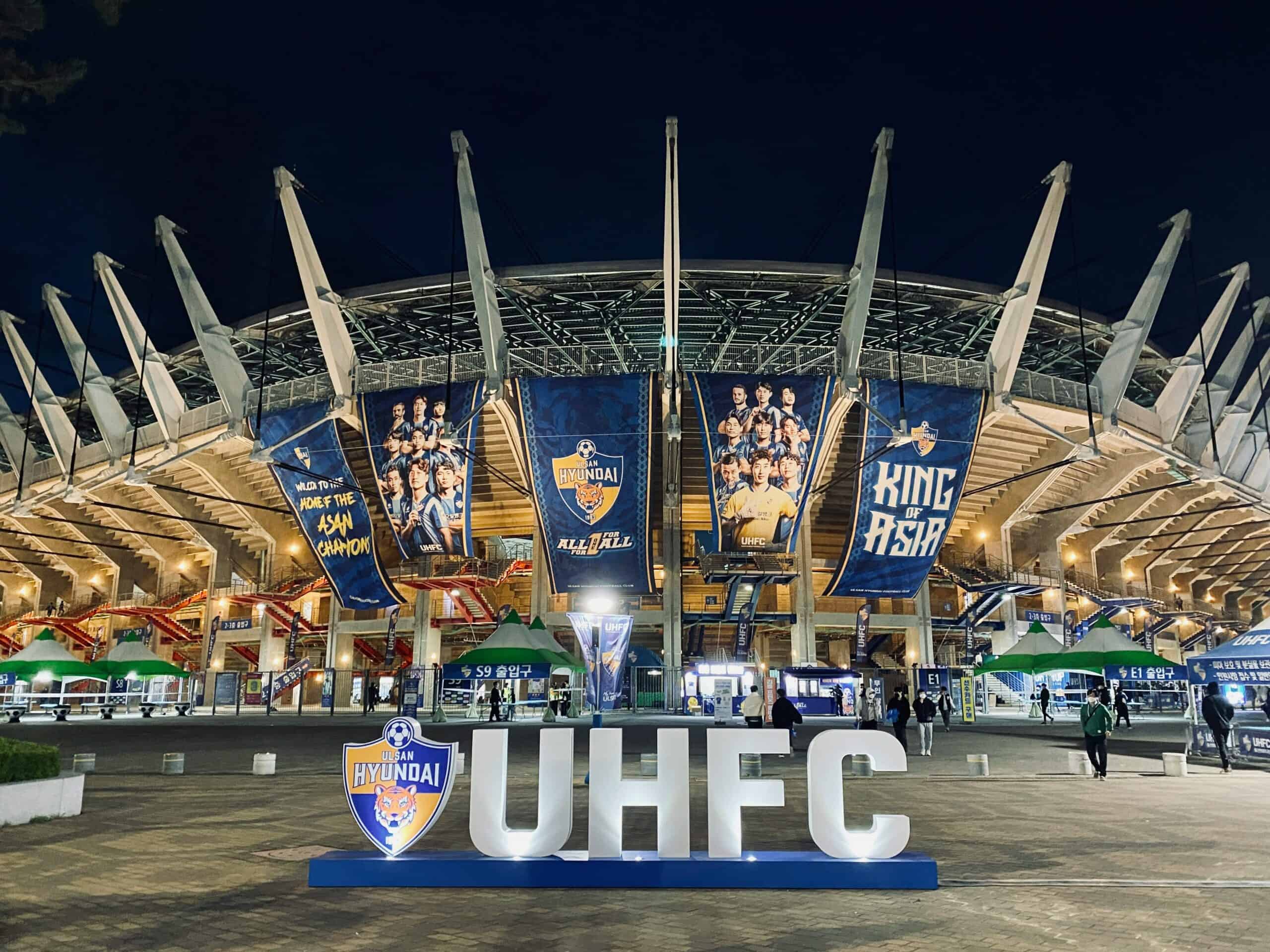
The strongest cases connect a venue to conventions, concerts, public space, and year-round neighborhood use. The weakest isolate a large building behind parking where visitors arrive and leave without entering the city. Visitors should ask simple questions: how many events are scheduled, what can be walked to, and what public cost was required? The answers reveal more than a promotional rendering.
The detail that changes the itinerary
A stadium can create visible activity on game days, especially when it sits in a walkable district with hotels, restaurants, and transit. It cannot automatically turn spending that local residents would have made elsewhere into new regional money. Cities often frame a new stadium as a visitor engine, but the outcome depends on location, scheduling, local leakage, and whether guests stay long enough to spend beyond the gate.
A stadium can create visible activity on game days, especially when it sits in a walkable district with hotels, restaurants, and transit. It cannot automatically turn spending that local residents would have made elsewhere into new regional money. Cities often frame a new stadium as a visitor engine, but the outcome depends on location, scheduling, local leakage, and whether guests stay long enough to spend beyond the gate. The responsible choice is to verify current conditions with local operators and public agencies, then leave enough margin for weather, crowds, and the ordinary delays that make travel real.
How to make the visit feel less generic
A useful trip can still include the venue, but pair it with adjacent streets, museums, and independent businesses to see whether the promised district actually exists. The strongest cases connect a venue to conventions, concerts, public space, and year-round neighborhood use. The weakest isolate a large building behind parking where visitors arrive and leave without entering the city.
A useful trip can still include the venue, but pair it with adjacent streets, museums, and independent businesses to see whether the promised district actually exists. The strongest cases connect a venue to conventions, concerts, public space, and year-round neighborhood use. The weakest isolate a large building behind parking where visitors arrive and leave without entering the city. The responsible choice is to verify current conditions with local operators and public agencies, then leave enough margin for weather, crowds, and the ordinary delays that make travel real.
A practical plan before you go
Visitors should ask simple questions: how many events are scheduled, what can be walked to, and what public cost was required? The answers reveal more than a promotional rendering. A useful trip can still include the venue, but pair it with adjacent streets, museums, and independent businesses to see whether the promised district actually exists.
Visitors should ask simple questions: how many events are scheduled, what can be walked to, and what public cost was required? The answers reveal more than a promotional rendering. A useful trip can still include the venue, but pair it with adjacent streets, museums, and independent businesses to see whether the promised district actually exists. The responsible choice is to verify current conditions with local operators and public agencies, then leave enough margin for weather, crowds, and the ordinary delays that make travel real.
Details worth carrying with you
The strongest visit begins by refusing the false choice between enthusiasm and realism. A traveler can be excited about a place while still noticing its limits, the work that supports it, and the people who live there after the visitor leaves.
That perspective also improves the day itself. It slows the urge to collect every landmark, creates room for a second look, and leaves time for the small observations that do not appear in a route planner.
Practical preparation is part of respect. Check operating hours, seasonal conditions, road rules, and reservations before arrival. Then spend less energy solving avoidable problems and more energy paying attention.
There is no need to turn every stop into an argument about authenticity. The useful question is simpler: what does this place make possible, and what does it ask in return from the people who come here?
The strongest visit begins by refusing the false choice between enthusiasm and realism. A traveler can be excited about a place while still noticing its limits, the work that supports it, and the people who live there after the visitor leaves.
That perspective also improves the day itself. It slows the urge to collect every landmark, creates room for a second look, and leaves time for the small observations that do not appear in a route planner.
Practical preparation is part of respect. Check operating hours, seasonal conditions, road rules, and reservations before arrival. Then spend less energy solving avoidable problems and more energy paying attention.
There is no need to turn every stop into an argument about authenticity. The useful question is simpler: what does this place make possible, and what does it ask in return from the people who come here?
The strongest visit begins by refusing the false choice between enthusiasm and realism. A traveler can be excited about a place while still noticing its limits, the work that supports it, and the people who live there after the visitor leaves.
- A stadium can create visible activity on game days, especially when it sits in a walkable district with hotels, restaurants, and transit. It cannot automatically turn spending that local residents would have made elsewhere into new regional money.
- Book transport and lodging around the specific season, not a generic annual average.
- Use local businesses for context, not simply as a stop between photographs.
A useful trip can still include the venue, but pair it with adjacent streets, museums, and independent businesses to see whether the promised district actually exists. That is how a destination becomes a remembered place rather than a sequence of transactions.