9 Red Flags That Trigger Secondary Screening for Returning Americans
We may earn money or products from the companies mentioned in this post. This means if you click on the link and purchase the item, I will receive a small commission at no extra cost to you ... you're just helping re-supply our family's travel fund.
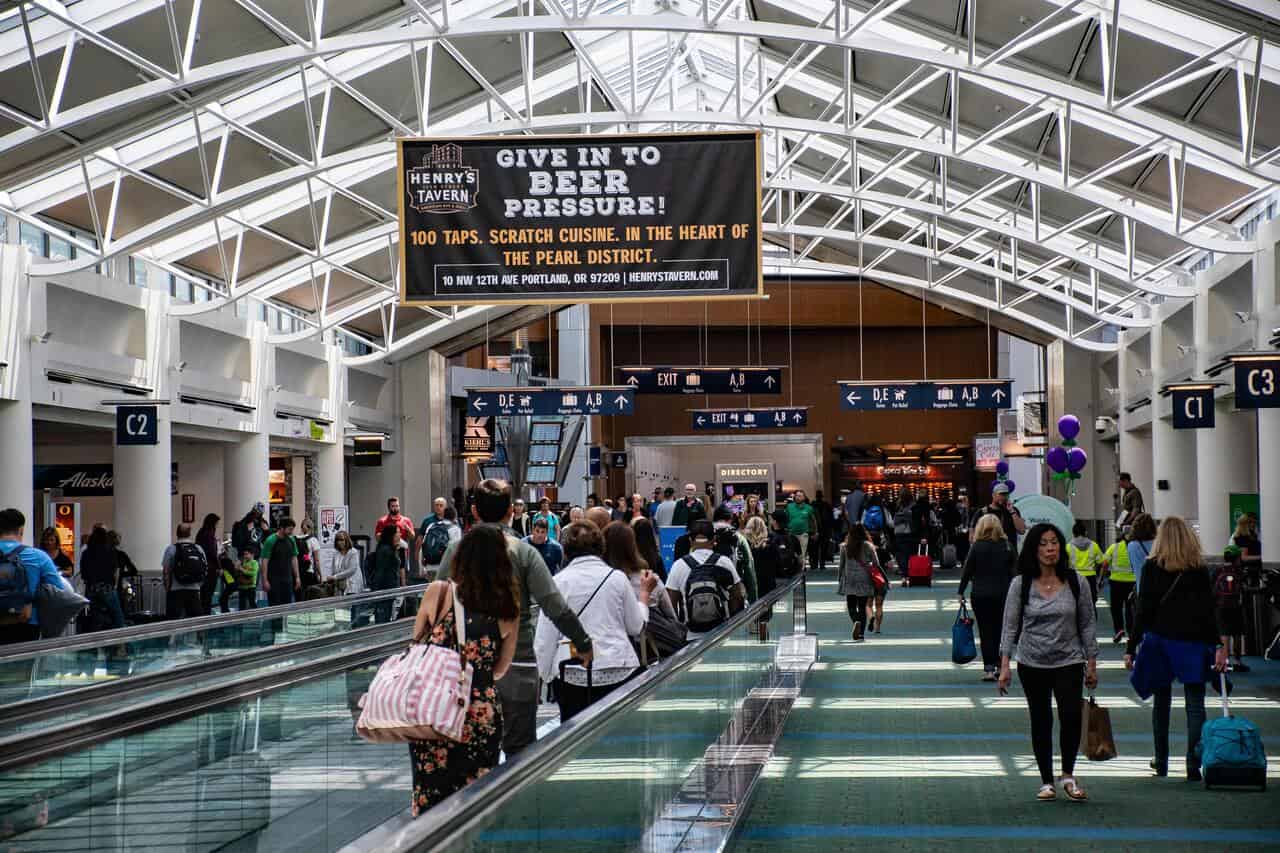
Most travelers pass through U.S. customs without incident, but some are pulled aside for secondary screening. This process doesn’t automatically imply wrongdoing; it’s often a precautionary measure for security purposes. U.S. Customs and Border Protection (CBP) officers use a combination of travel history, documentation, behavior, and random checks to decide who undergoes secondary inspection. Knowing the common triggers can help travelers prepare, answer questions clearly, and minimize delays. Here are nine red flags that commonly trigger secondary screening:
1. Frequent Travel to High-Risk Countries
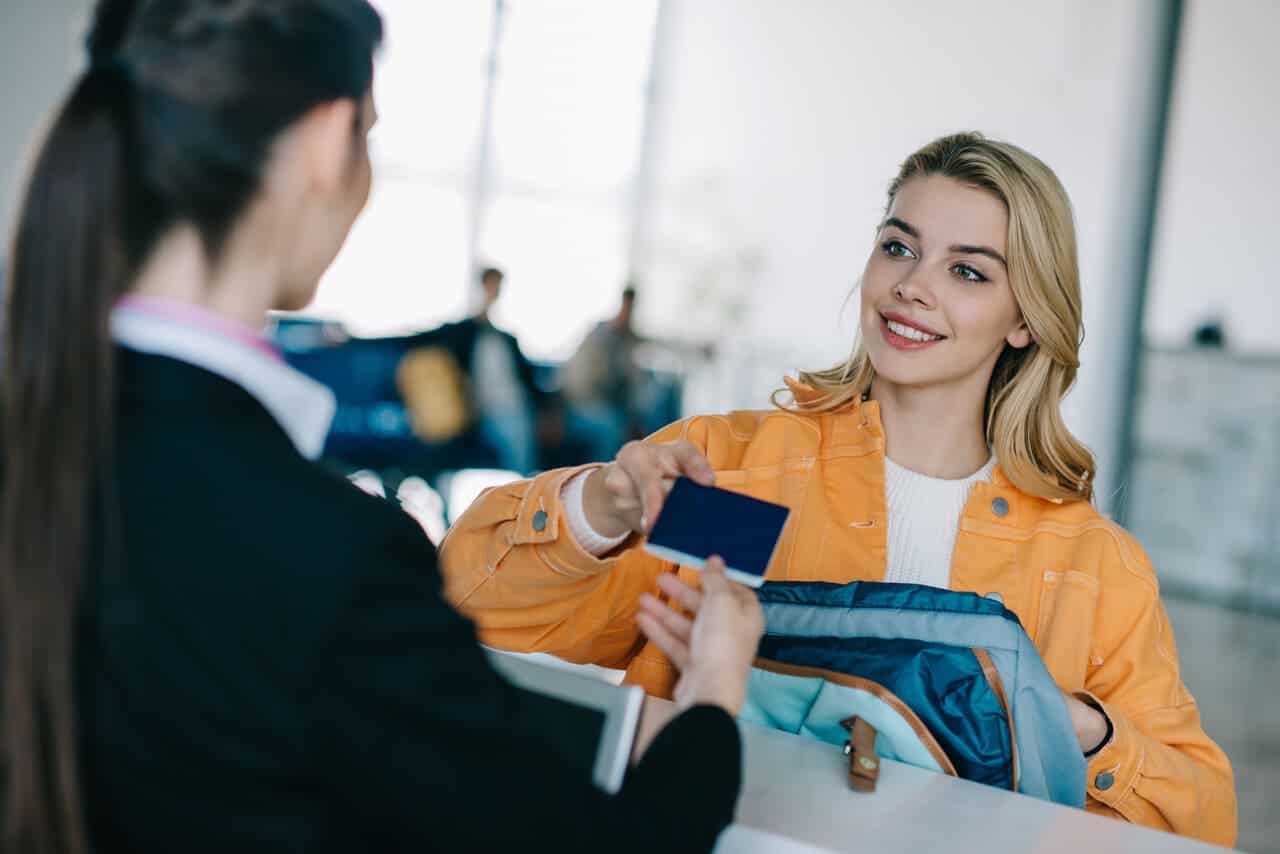
Travelers visiting countries designated as high-risk for terrorism, drug trafficking, or political unrest often attract extra scrutiny. For example, someone making 5+ trips in 12 months to these regions may be flagged automatically. CBP reviews travel patterns and itineraries, checking for suspicious connections or repeated visits that don’t align with declared purposes. Even legitimate travel for work or education can trigger a deeper inspection if it appears unusual or inconsistent with standard entry patterns.
2. Suspicious or Inconsistent Travel Documents
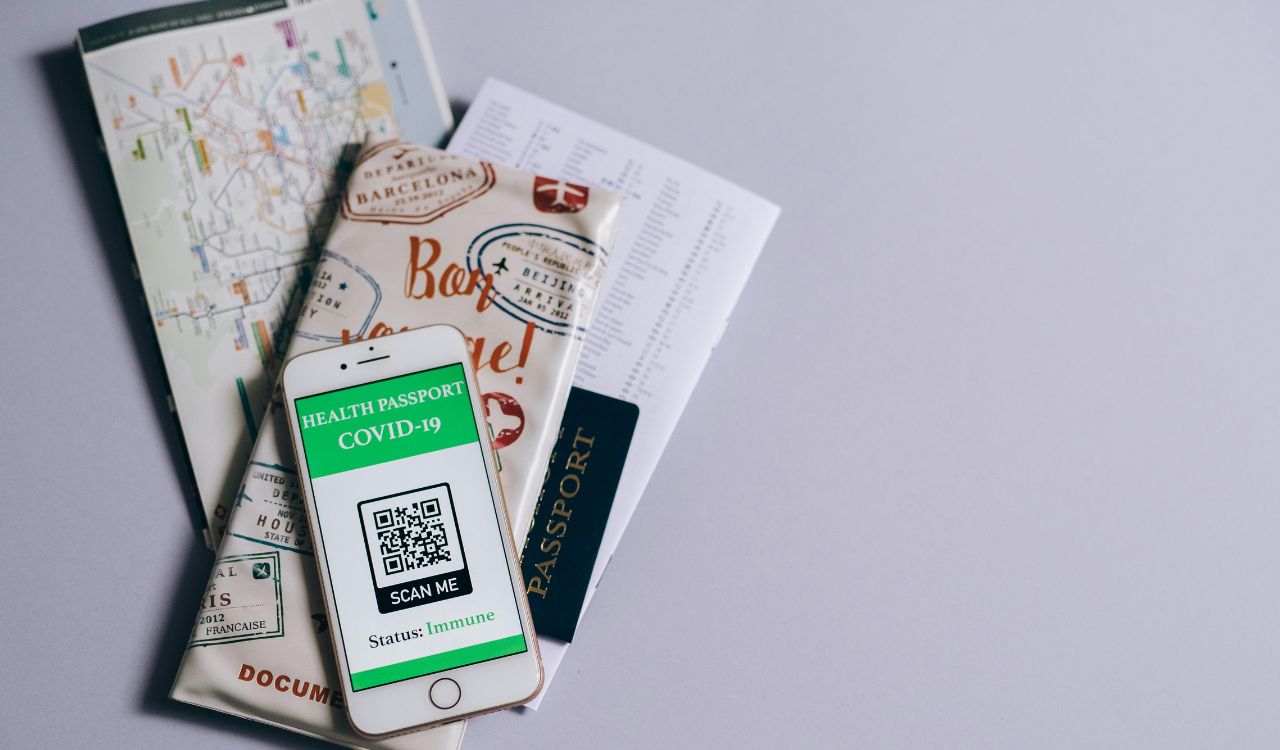
Mismatched passports, expired visas, or multiple citizenship documents can lead to secondary screening. CBP officers verify document authenticity, cross-check visas, and assess travel legitimacy. Even minor errors, like name discrepancies or differing birthdates across documents, may raise questions. Statistically, travelers with 1–2 inconsistencies in paperwork are pulled aside more often than those with fully consistent records, as small errors can suggest identity or itinerary issues requiring further clarification.
3. Prior Criminal or Immigration Violations
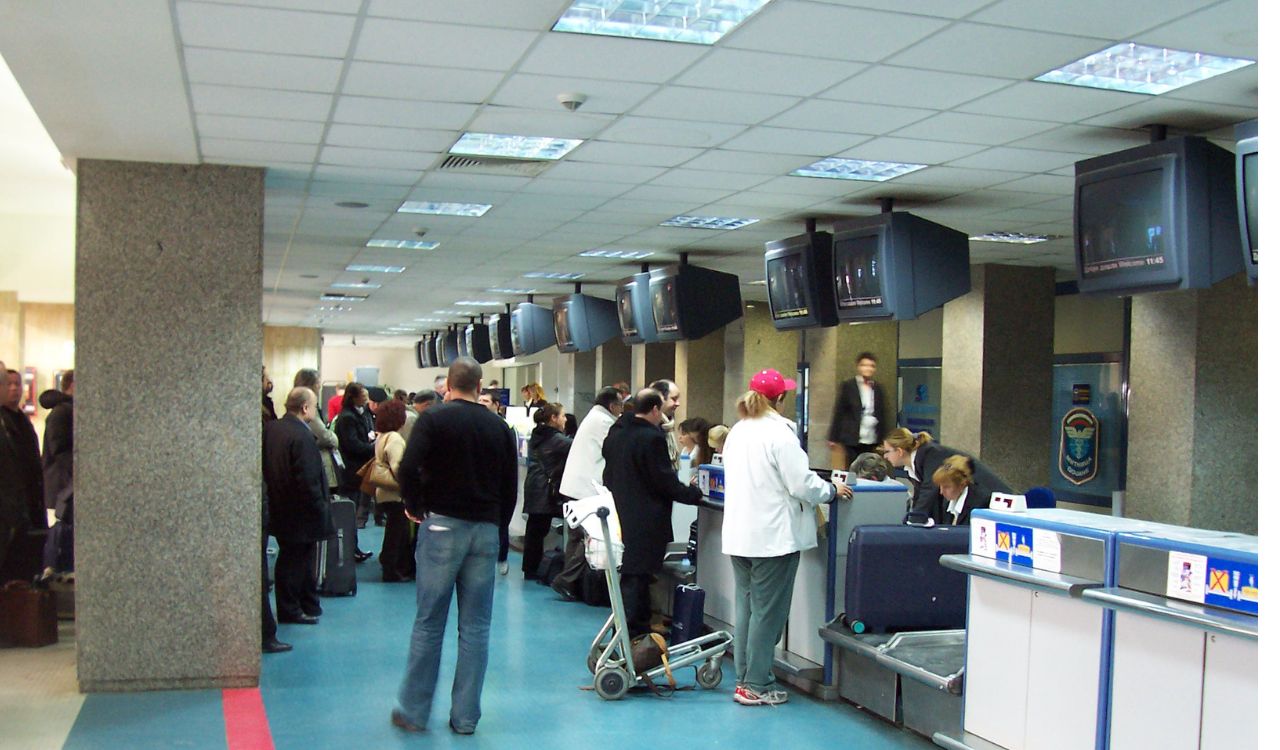
Previous arrests, criminal convictions, visa overstays, or deportations increase the likelihood of secondary screening. CBP maintains detailed records that flag travelers with prior incidents, even from decades ago. Officers verify whether previous issues have been legally resolved. Data indicates that roughly 3–5% of returning Americans are flagged for secondary screening due to historical legal or immigration concerns, underscoring how past actions can influence current travel experiences.
4. Carrying Large Sums of Cash or Unusual Items
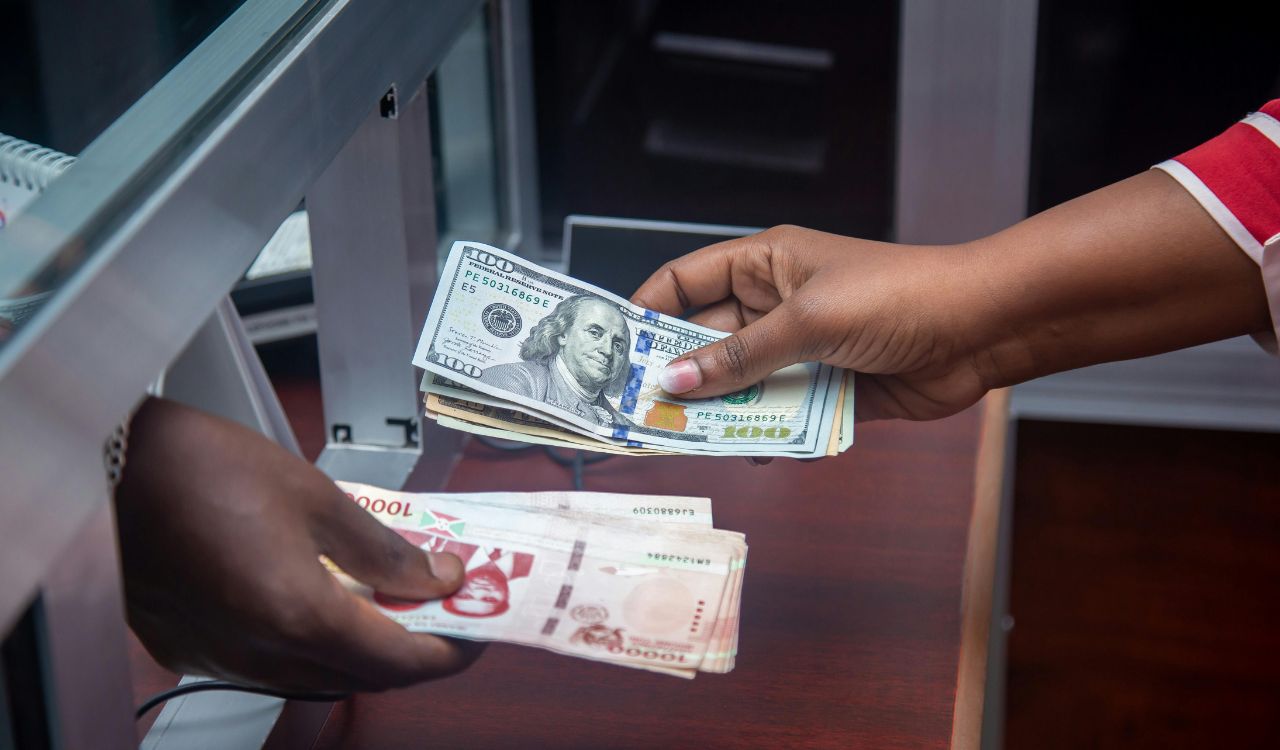
Travelers carrying significant amounts of cash (over $10,000) or high-value goods like electronics, jewelry, or restricted items often face secondary inspection. Officers confirm declarations, check for contraband, and assess compliance with U.S. import/export laws. Even legal items can trigger a more thorough search if officers deem the quantities unusual. CBP estimates that about 2% of travelers carrying large cash amounts are flagged for additional scrutiny each year.
5. Contradictory or Vague Answers During Screening
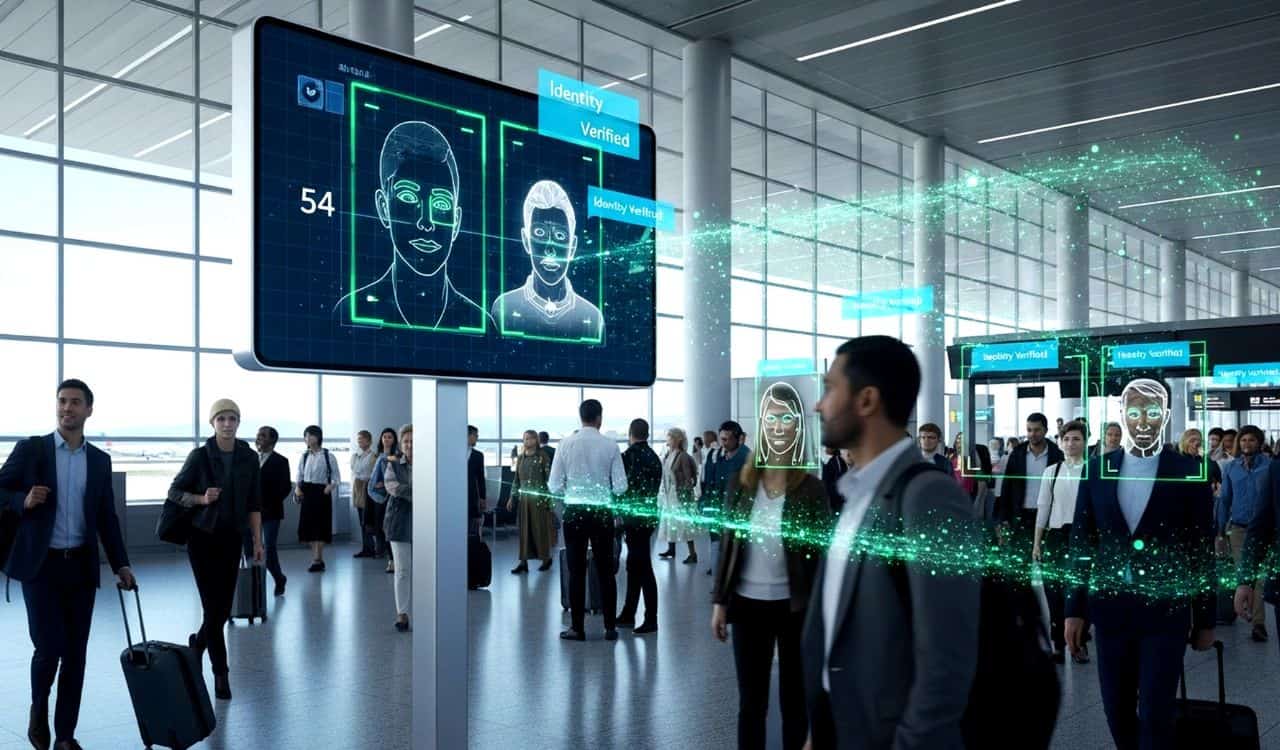
Providing inconsistent or unclear responses during initial questioning can escalate to secondary screening. Officers often ask about travel purposes, accommodation, and contacts abroad. Contradictions like claiming a family visit while hotel bookings show a business stay can trigger additional checks. Statistics suggest that nearly 15% of secondary screenings are prompted by inconsistencies or vague answers, highlighting the importance of honesty, clarity, and calm during initial inspections.
6. Behavioral Cues and Nervousness
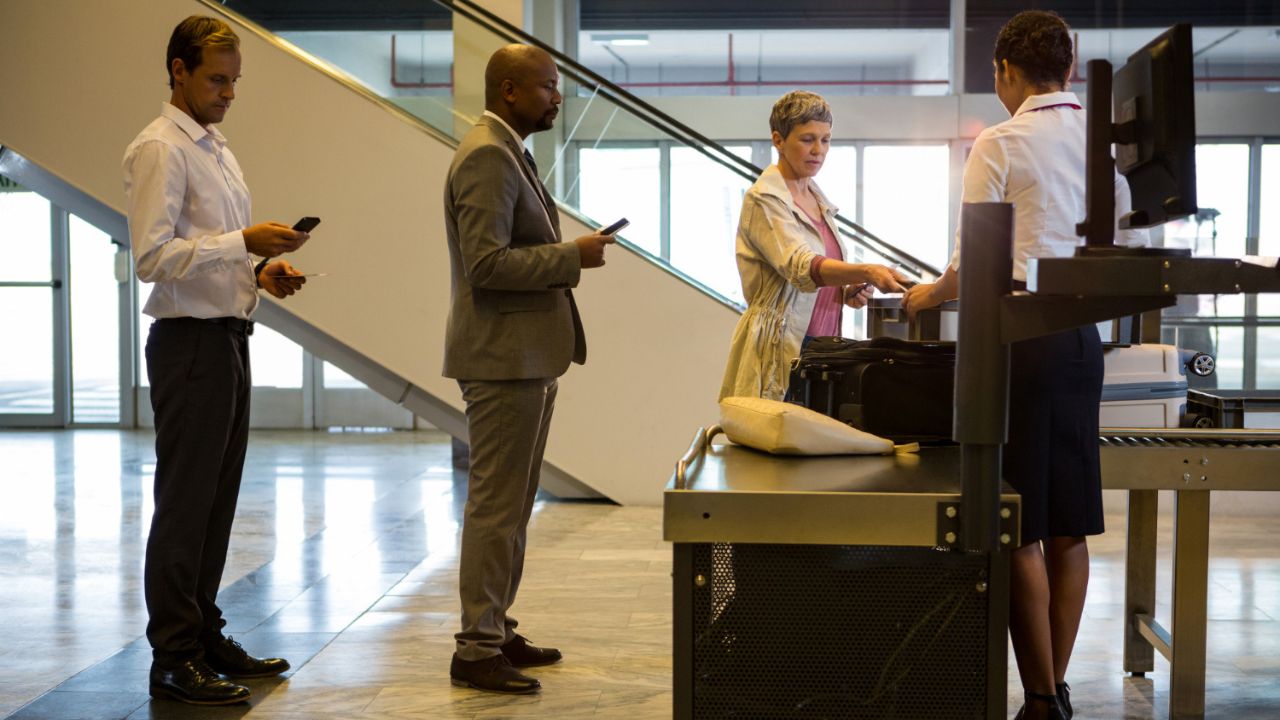
Non-verbal behaviors like avoiding eye contact, fidgeting, or unusual posture can trigger secondary screening. CBP officers are trained in behavioral analysis to identify potential risks, though nervousness alone is not proof of wrongdoing. Data from CBP shows that travelers displaying multiple nervous behaviors are about 1.5 times more likely to be pulled aside than calm travelers. Awareness of posture, tone, and composure can help minimize unnecessary scrutiny.
7. Previous Secondary Screenings or Watchlist Mentions

Travelers previously flagged for secondary screening or appearing on U.S. watchlists are more likely to face additional inspections. Reasons can include prior alerts, misidentification, or routine re-verification. CBP’s automated systems cross-check travelers against millions of records daily. Even if past incidents were minor, prior screening history can prompt officers to verify identity, purpose of travel, or items carried, resulting in extra questioning and potential device inspection.
8. Traveling with Electronics or Media

Laptops, smartphones, USB drives, and printed materials can be examined during secondary screening. Officers may look for restricted content, sensitive data, or evidence of illegal activity. Travelers carrying multiple devices or large data volumes, 5+ electronics or over 100GB of media are often selected for inspection. CBP estimates that roughly 4% of international travelers experience secondary checks specifically due to electronics, highlighting the importance of being able to explain and access devices quickly.
9. Random Selection
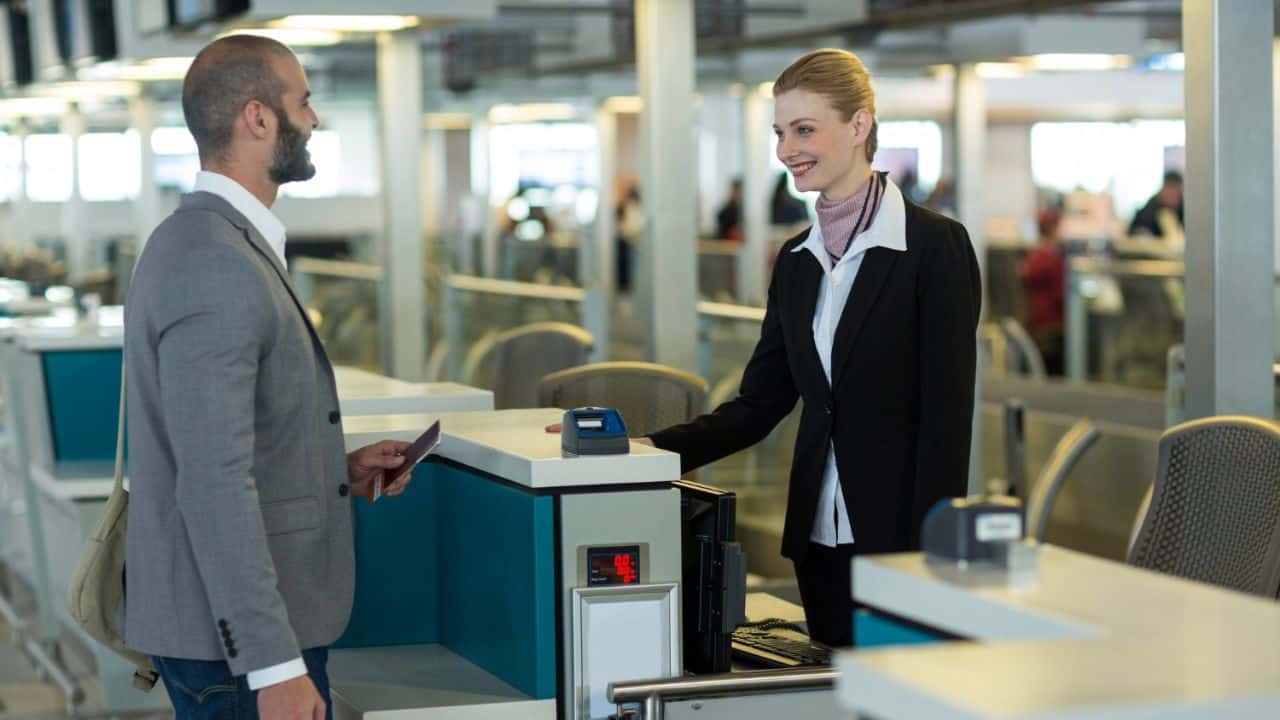
Finally, secondary screenings can occur randomly. CBP uses algorithms and statistical sampling to ensure security measures are comprehensive. Even travelers with no obvious risk factors may be selected, making random checks unavoidable. Data suggests that approximately 1 in 50 travelers experience random secondary screening annually. While inconvenient, this measure ensures overall border security remains robust and unpredictable, complementing targeted inspections.