We may earn money or products from the companies mentioned in this post. This means if you click on the link and purchase the item, I will receive a small commission at no extra cost to you ... you're just helping re-supply our family's travel fund.
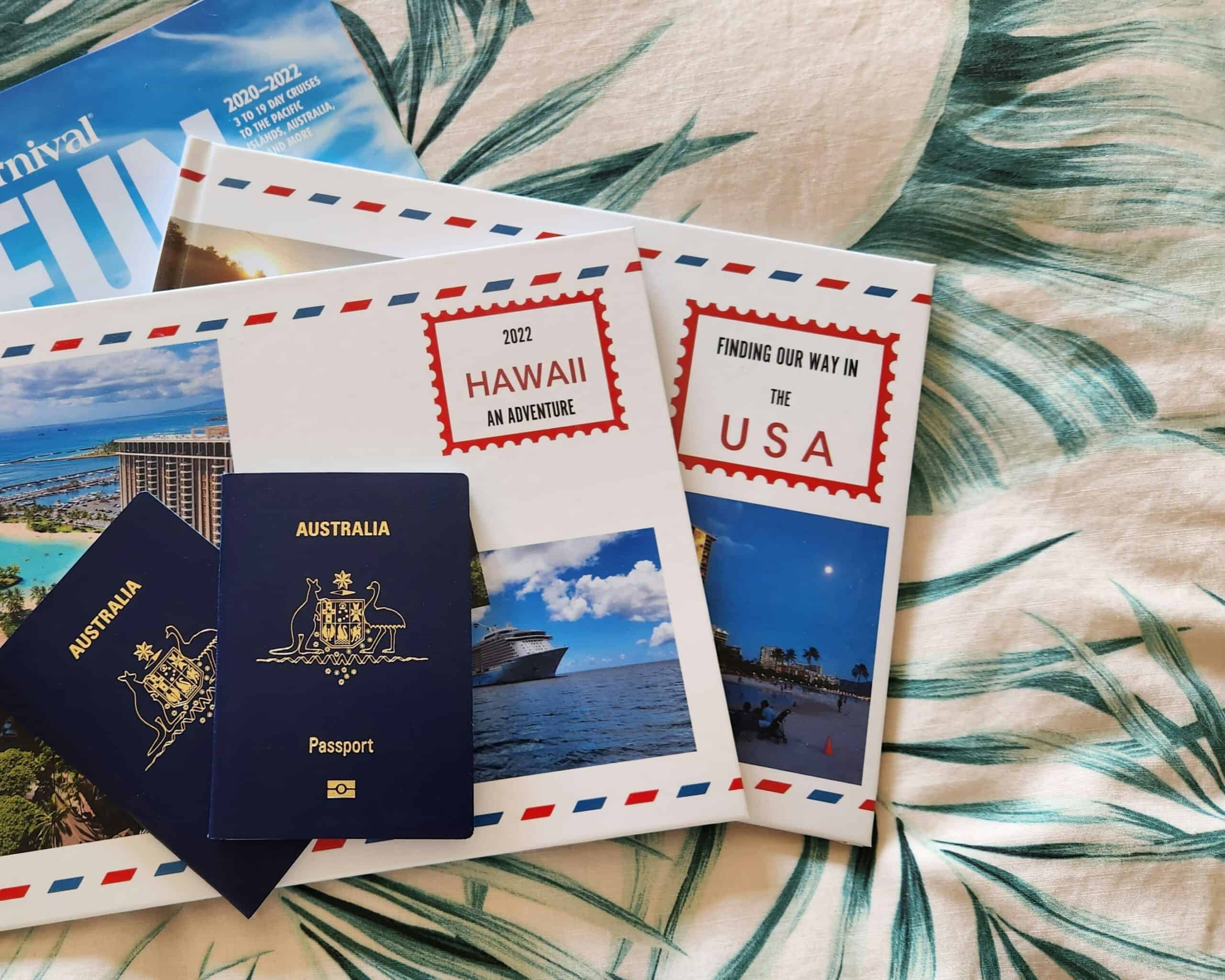
The United States sells a powerful travel fantasy: national parks, big-city energy, road trips, and pop culture landmarks that feel instantly familiar. Yet a growing number of travelers decide it is not the right trip right now, not because the country lacks appeal, but because the friction can feel outsized. Paperwork, pricing surprises, long distances, and security culture add weight that some vacations are not meant to carry. These twelve reasons capture the practical and emotional factors that lead some travelers to choose other destinations first.
Visa Appointments Can Take Months

For many nationalities, a U.S. visitor visa still means completing the DS-160, paying fees, and securing an in-person interview, and availability swings widely by consulate and season. When the next appointment is far out, a holiday becomes calendar triage, with flights held loosely, hotel rates changing, and plans built around one scarce slot rather than personal preference. Even travelers with steady jobs and clear itineraries can feel they are assembling evidence, not simply choosing dates, which pushes some trips toward places with quicker approvals, clearer timelines, and less paperwork up front.
Social Media And Online Footprints Are Part Of Screening
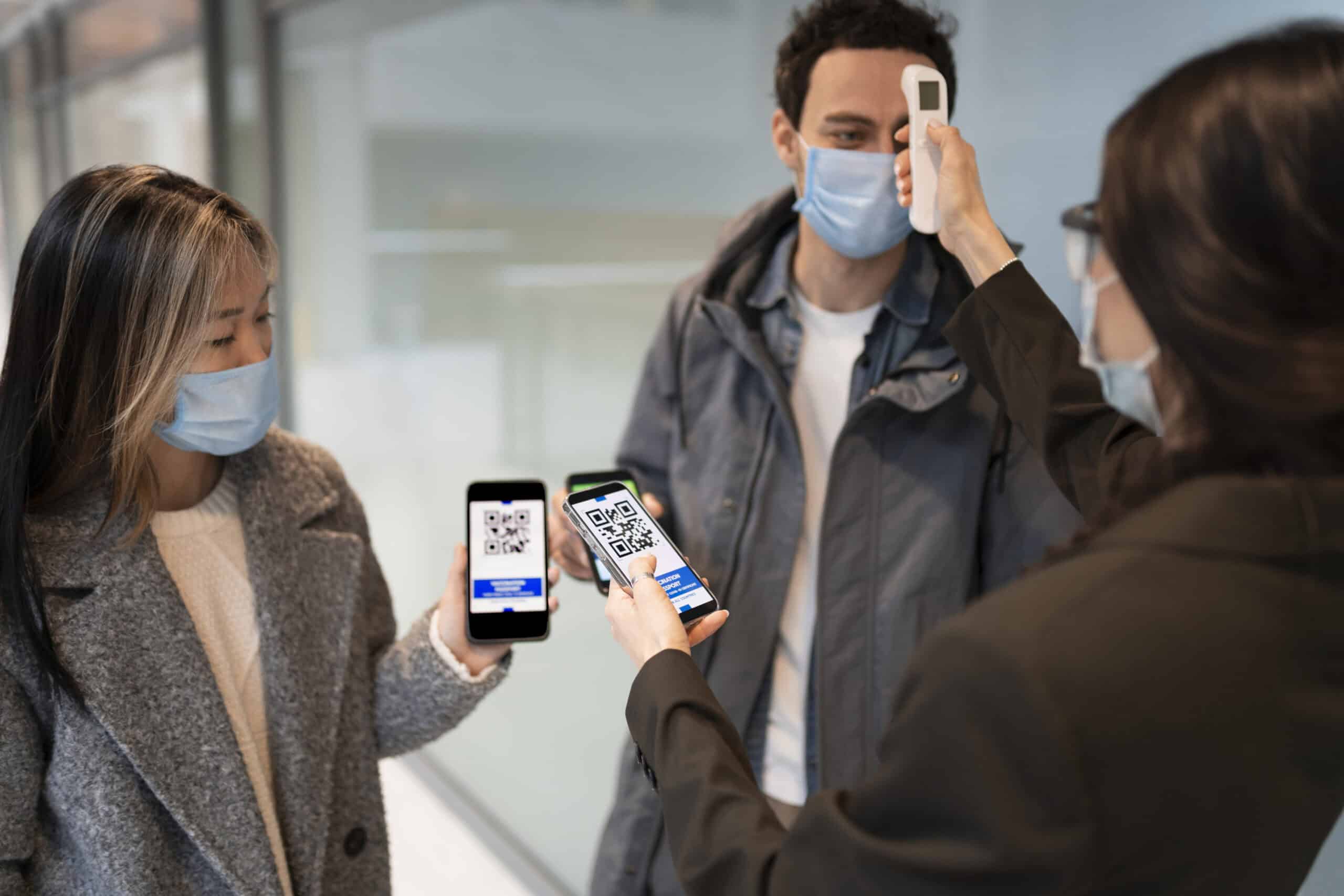
Most U.S. visa applicants are asked to list social media identifiers used in the previous five years, adding another layer of disclosure alongside work history, addresses, and travel plans. For people who rebranded handles, deleted accounts, or used multiple platforms casually, accuracy becomes stressful because omissions can look intentional and the stakes are tied to approval. The discomfort is less about one post and more about how humor, slang, and context flatten when profiles are reviewed quickly, and how an online life meant for friends can start to feel like evidence in a file for strangers.
Entry Can Still Feel Uncertain At The Border
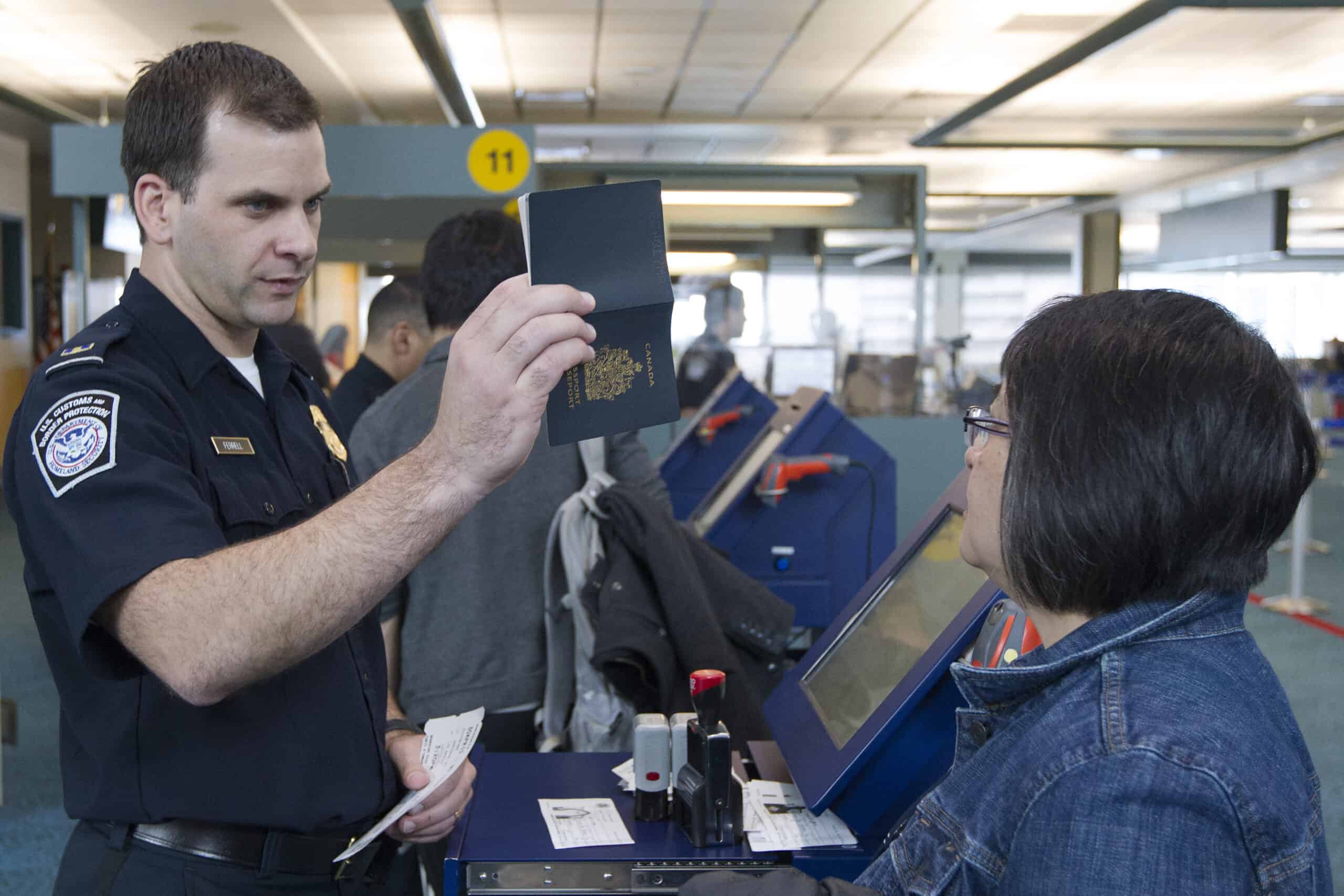
A visa or ESTA approval is permission to request admission, not a guarantee, so some travelers worry about a long flight ending in secondary inspection and a return ticket. CBP also says it may search electronic devices at ports of entry, and it reports 55,318 device searches in fiscal year 2025, a small share but enough to shape perception. For visitors carrying work email, private photos, or sensitive conversations, the combination of probing questions and possible inspection can make arrival feel high-stakes instead of routine, especially when hotel check-in times and onward flights are ticking in the background.
Gun Violence Worries Color The Experience
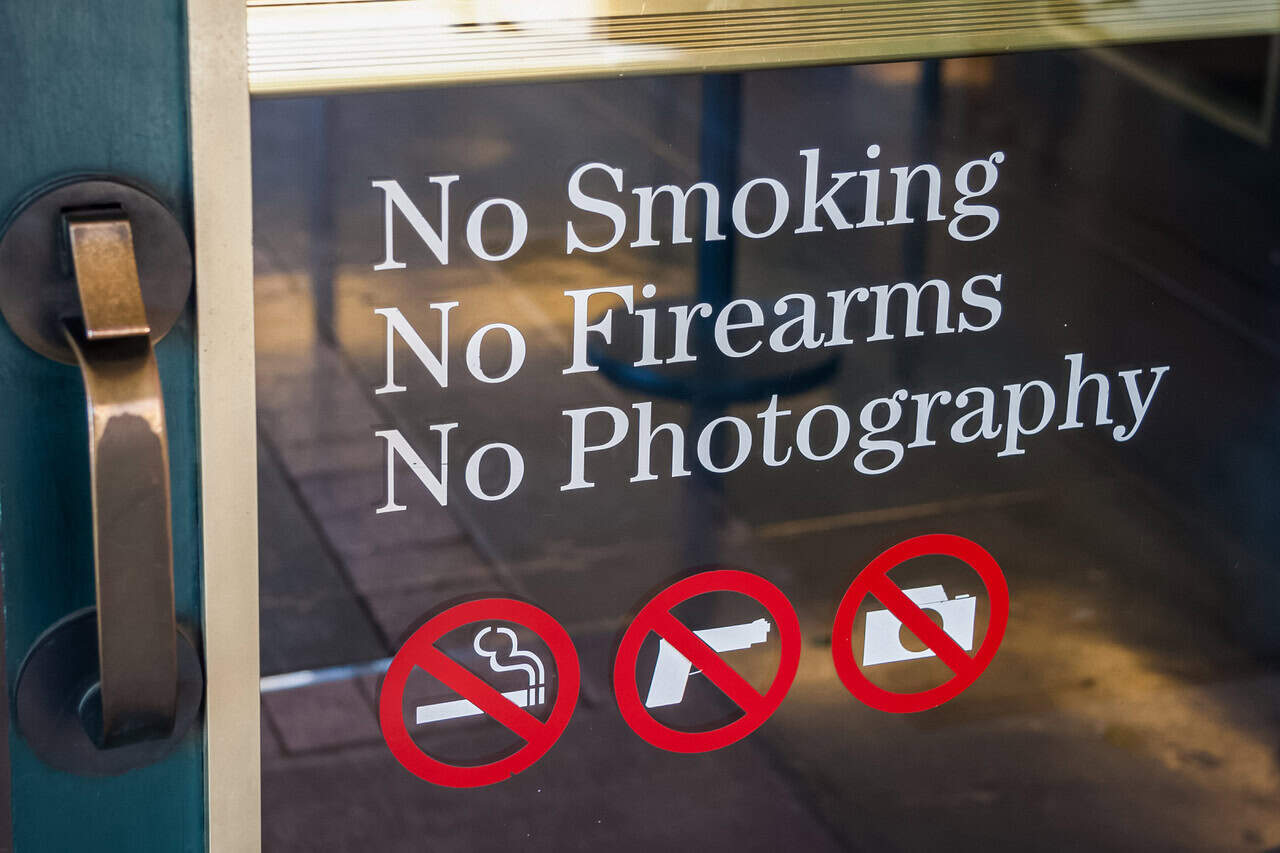
Some travelers skip the United States because the country’s firearm landscape feels unfamiliar, especially in big cities, malls, concerts, and other public places where crowds gather and exits bottleneck. Canada’s travel advisory notes high firearm possession, says open carry is legal in many states, and adds that mass shootings occur, even if tourists are rarely involved, which frames risk as random rather than avoidable with local know-how. For visitors hoping for a relaxed vacation rhythm, that background anxiety can overshadow museums and food, and it nudges them toward destinations that feel calmer by default.
Medical Bills Can Be A Trip-Ending Risk

The United States has no universal health coverage, so visitors can face startling prices for urgent care, imaging, prescriptions, ambulance rides, or emergency rooms, even for problems that are routine elsewhere. The risk is amplified by unfamiliar billing systems, multiple providers billing separately for one visit, and invoices that arrive after the flight home, when disputes are harder to resolve and documentation is scattered across portals. Many travelers decide the only safe version is expensive insurance plus luck, and some pick countries where a broken ankle or stomach bug does not threaten financial stability.
Tipping And Taxes Create Constant Price Surprise
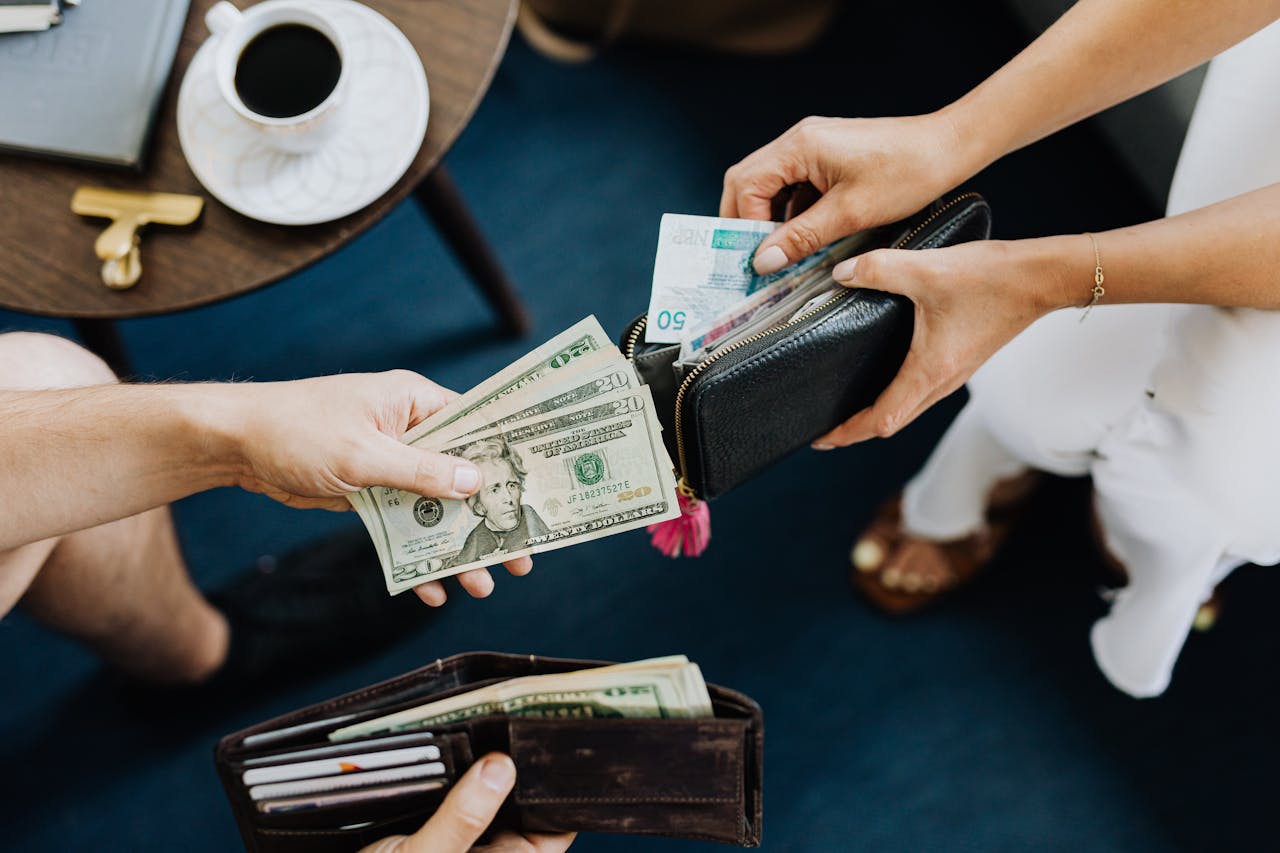
Many visitors stumble on the U.S. habit of adding sales tax at checkout, since rates vary by state and locality and are often not included on shelf tags, menus, or advertised prices. Tipping expectations also feel heavy, with 18% to 20% described as customary at full-service restaurants, plus prompts appearing at counters, kiosks, and card readers that make declining feel awkward. The result is budget fatigue, where everyday purchases require mental math and social calibration, and a $12 meal can quietly become $16 once tax, tip, and small service charges land, repeated across every day of the trip.
Lodging Rules And Fees Can Feel Like A Trap
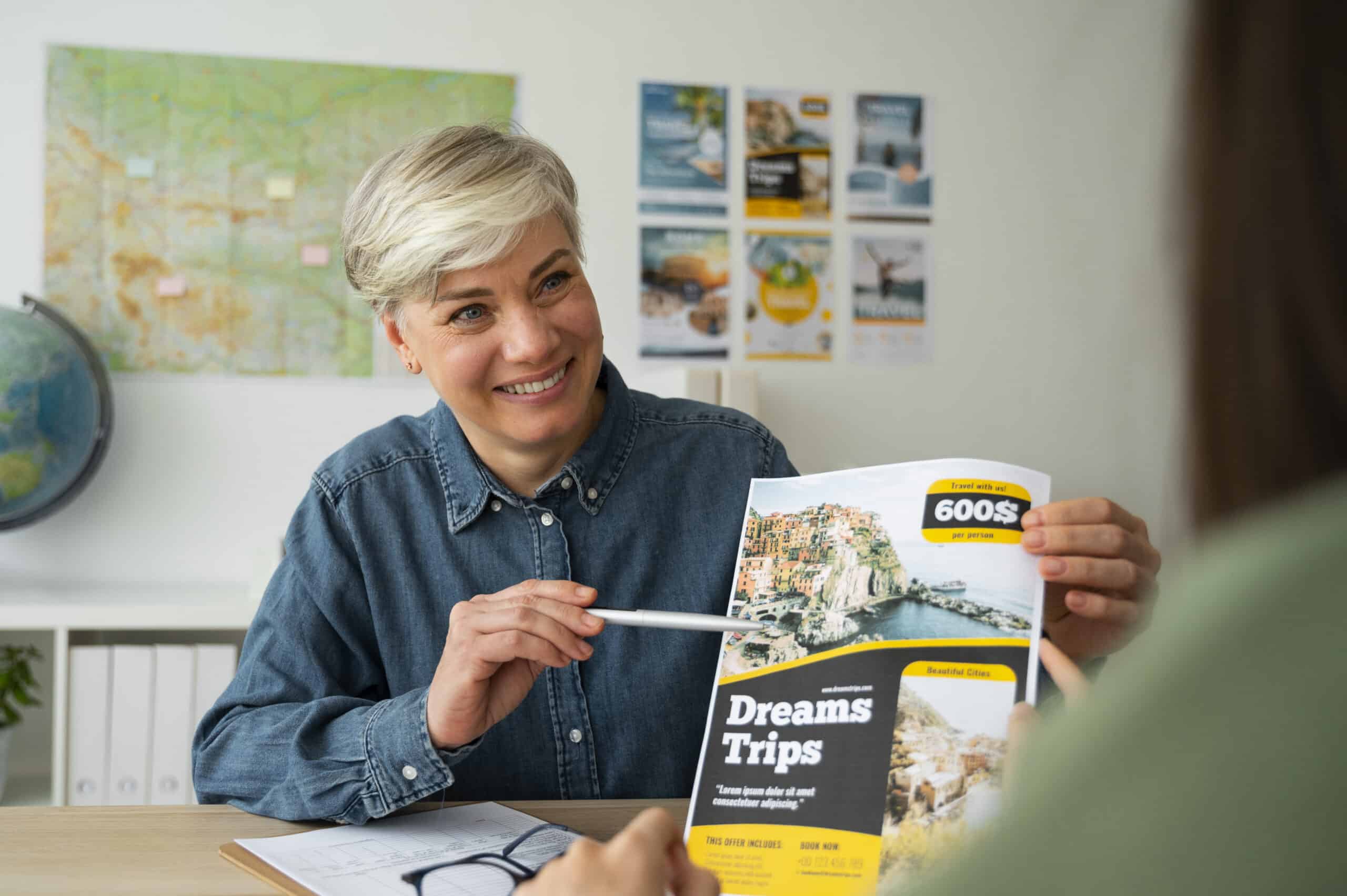
Lodging in the United States can come with surprise layers, from resort fees and parking charges to deposits, cleaning add-ons, early check-in fees, and policies that inflate the true nightly cost. Short-term rentals bring a different friction, including strict house rules, chore-style checkouts, and last-minute host changes that scramble arrivals after a flight, plus check-ins that depend on codes and perfect timing. For travelers who want predictable service, the absence of a reliable front desk, and the sense that rules vary wildly property to property, can make the stay feel like another job to manage instead of a base for rest.
National Parks Now Require More Planning
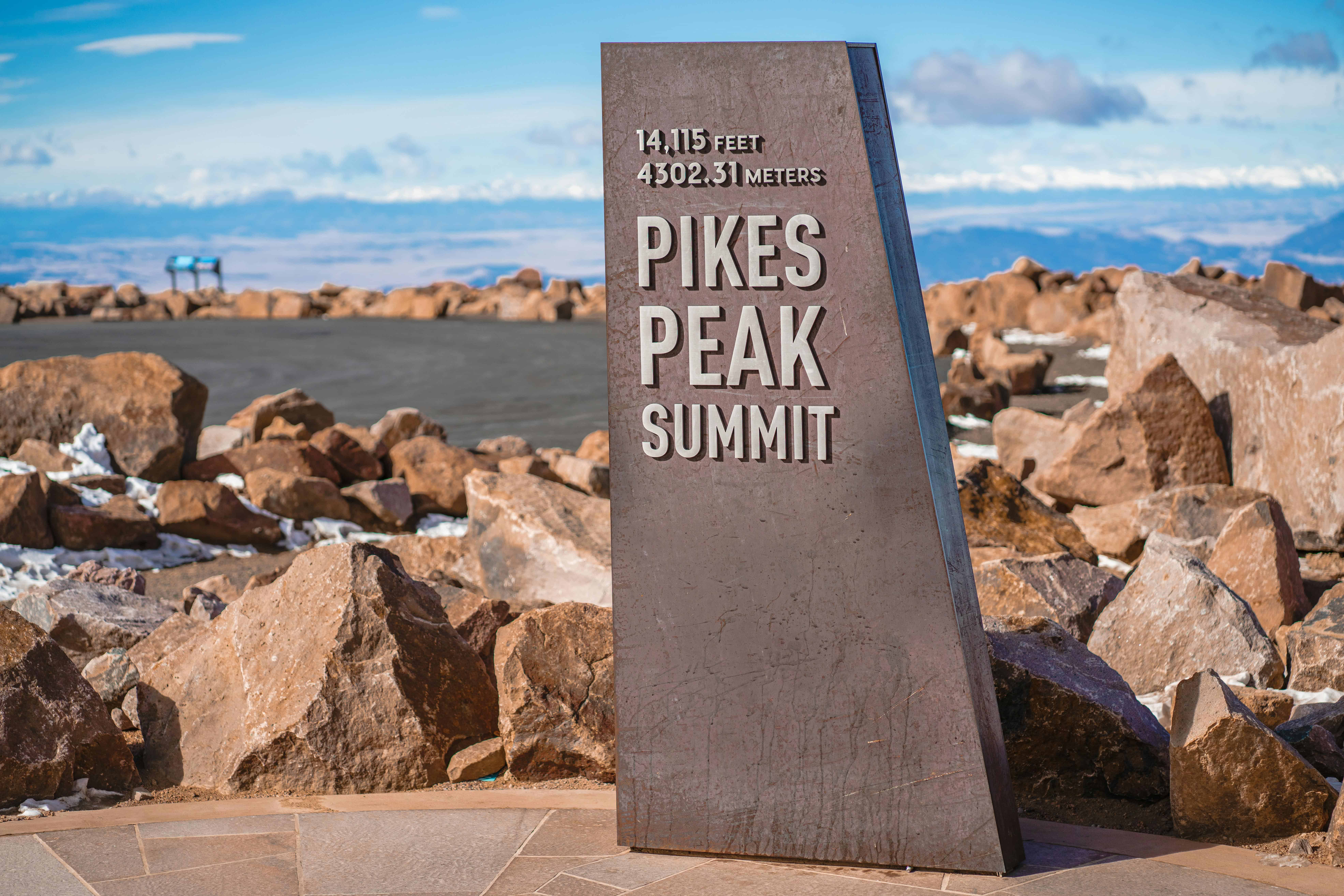
Some headline parks have used timed-entry systems in recent years, and Arches notes that reservations may be needed again in 2026, adding an app and a time window to what many expect to be spontaneous nature. Reporting has also described higher park fees for international visitors beginning in 2026, including surcharges at some high-demand sites, which changes the value equation for families. When a sunrise drive comes with digital tickets, limited slots, and extra costs, some travelers redirect to countries where access feels simpler and less mediated, and where a last-minute detour does not require another reservation.
Safety Perceptions Go Beyond Crime Rates

Even when crime statistics are improving in a given city, visitors can feel uneasy about unfamiliar street dynamics, from aggressive panhandling in certain corridors to visible distress linked to housing and addiction crises. Those moments are often not dangerous, but they are emotionally loud, especially for families and first-time visitors who do not know which blocks are simply gritty and which ones to avoid after dark. When a vacation is meant to feel restorative, that constant need to scan the environment can be exhausting day to day, and some travelers pick destinations where the street atmosphere feels more consistently calm.