9 Black Heritage Sites To Visit With Great Local Eats Nearby
We may earn money or products from the companies mentioned in this post. This means if you click on the link and purchase the item, I will receive a small commission at no extra cost to you ... you're just helping re-supply our family's travel fund.
Black heritage lives in archives and brick, but it also lives in kitchens, markets, and weekend rituals shared at the table. Here, landmark museums, memorials, and historic districts sit beside places where recipes carry memory forward. The rhythm moves from hard truth to everyday joy, leaving room for reflection and comfort in the same afternoon. Each stop honors a place and story, then hands the baton to a nearby kitchen that keeps the culture warm. Proximity and authenticity lead the picks.
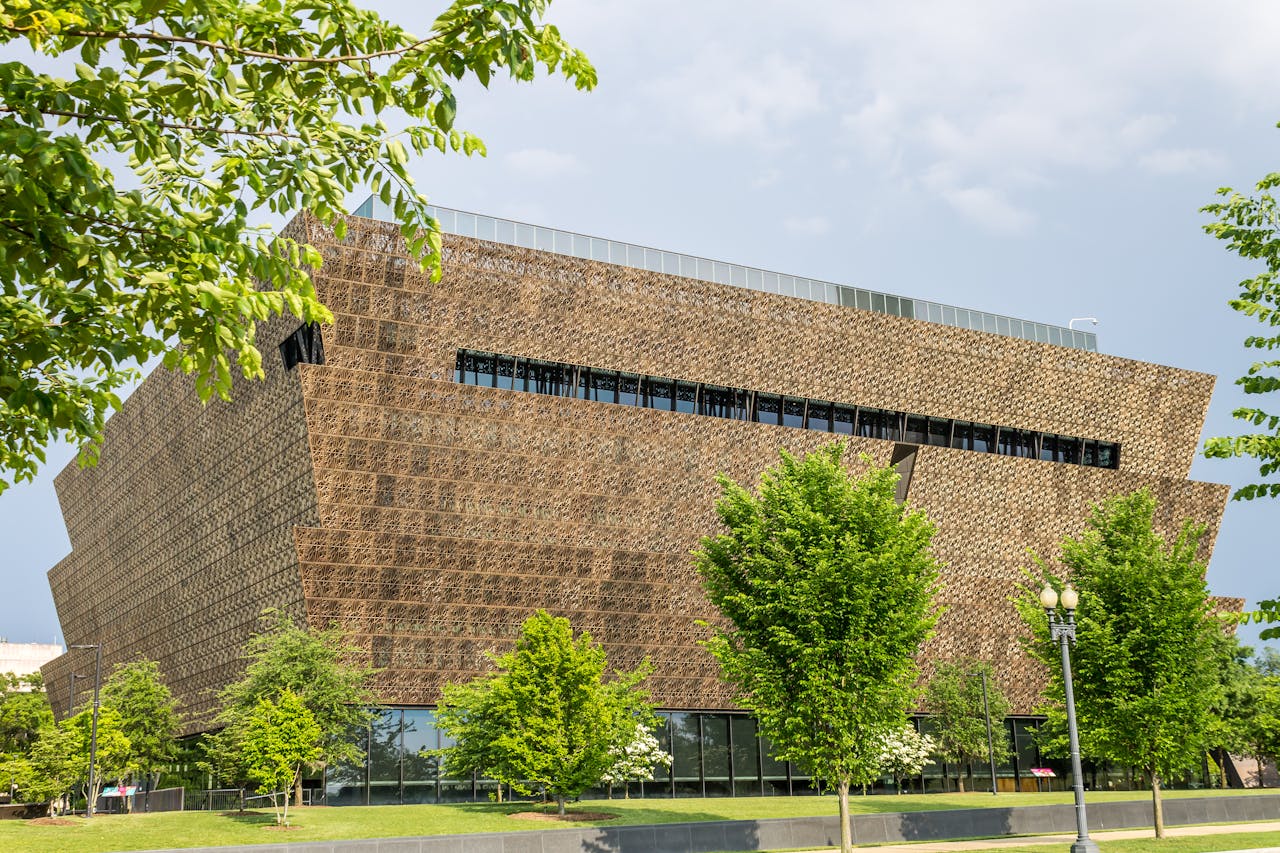
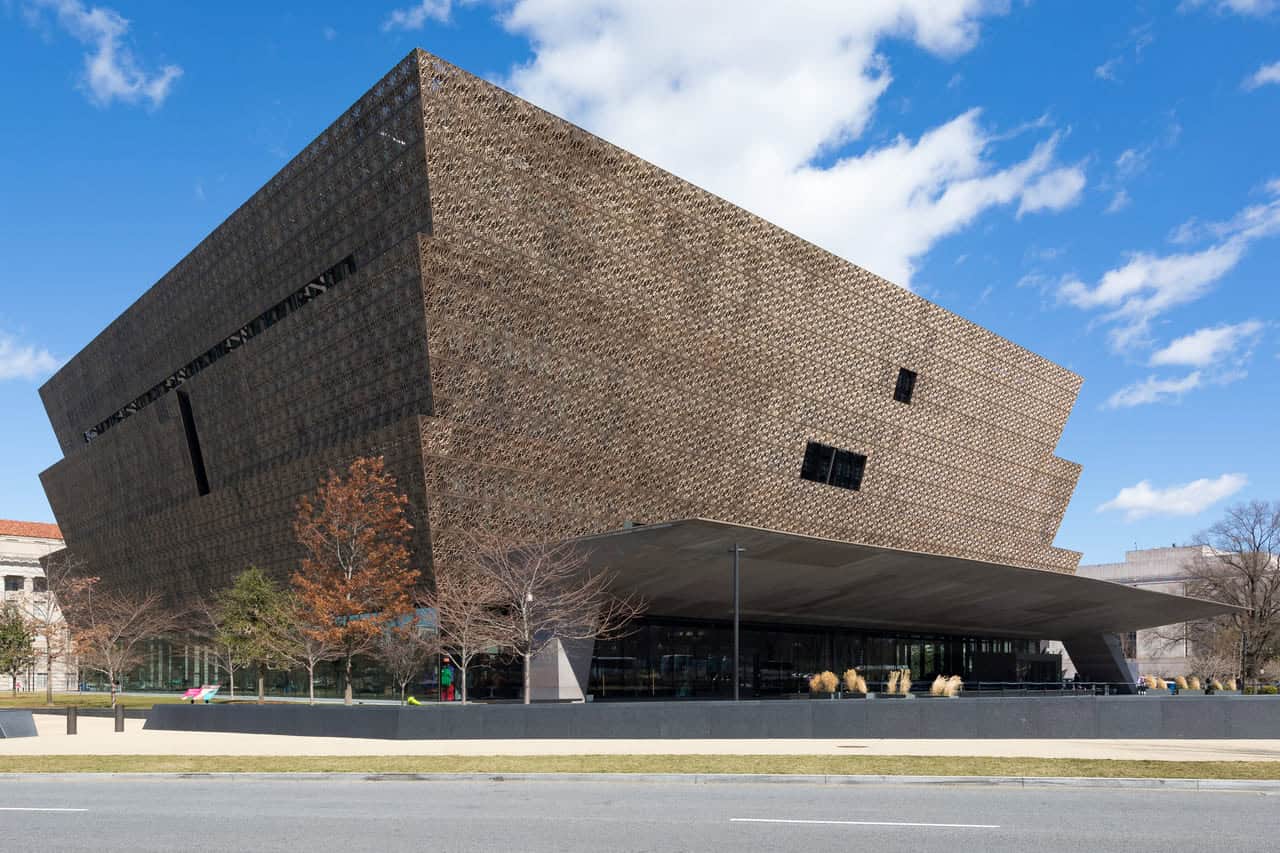
National Museum of African American History and Culture, Washington, DC
The Smithsonian museum on the National Mall gathers four centuries of Black life into one sweeping narrative. Galleries move from the Middle Passage to modern art and sport, with artifacts that make history feel close. Afterward, Sweet Home Cafe turns scholarship into flavor. Stations trace regions and eras through recipes like gumbo, buttermilk fried chicken, and sweet potato pie. It is practical, delicious, and right inside the museum, so reflection can continue without pause.
Martin Luther King Jr. National Historical Park, Atlanta, GA

Birth home, Ebenezer Baptist Church, and the King Center sit within a few blocks, stitched together by stories told in rooms and on sidewalks. Exhibits pair idealism with hard organizing detail. When hunger sets in, Busy Bee Cafe delivers a plate that has anchored leaders and locals since 1947. Think crisp chicken, candied yams, and chess pie in a modest room full of loyalty. Awards followed, but the heart of the place is steady hospitality and memory.
The Legacy Museum and National Memorial for Peace and Justice, Montgomery, AL
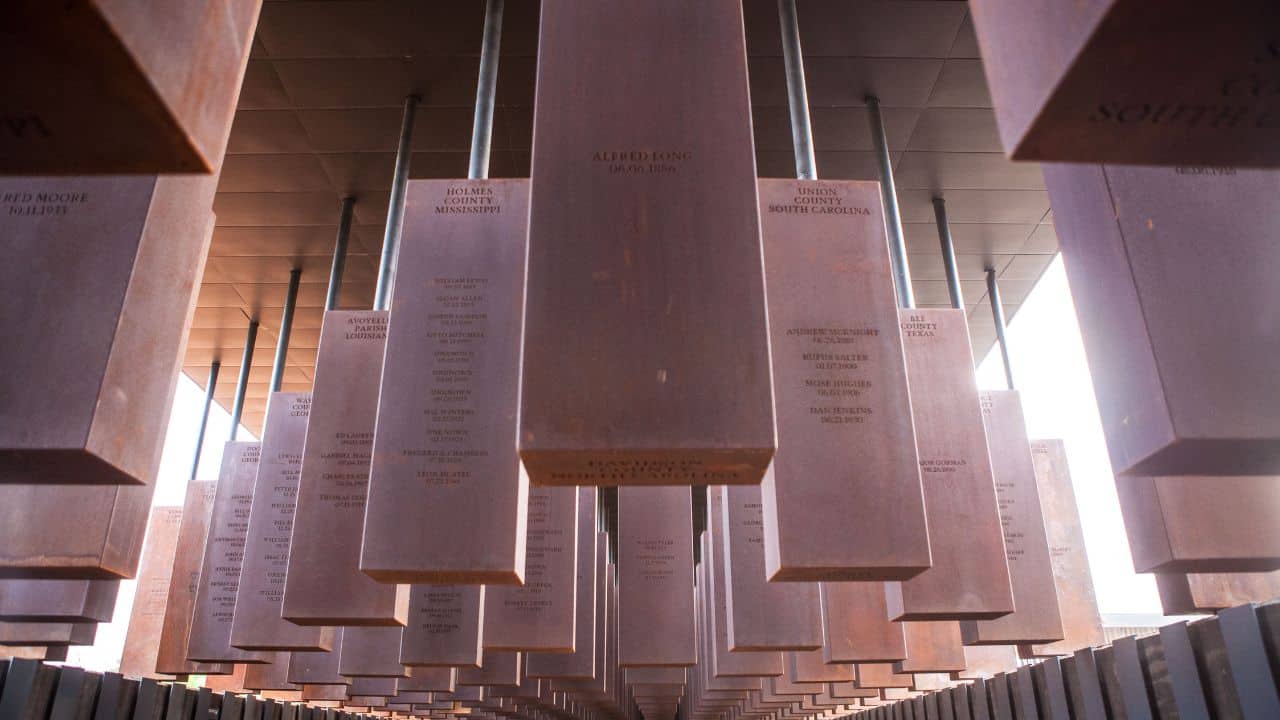
The Legacy Museum explains how slavery, lynching, and mass incarceration connect across time, then the memorial names victims county by county in a quiet field of steel. Both works change the tempo of a day. Nearby Brendas Bar B Q Pit adds another layer of record keeping. Family stories, old photos, and a smoke ring you can taste. Boycotts and meetings passed through here, and that civic residue still hangs in the air with the hickory.
International African American Museum, Charleston, SC
The museum rises over Gadsdens Wharf, where thousands first touched this shore. Exhibitions map African origins, Indigenous links, and Lowcountry legacies, while the Memorial Garden gives room to breathe. Hannibals Kitchen sits a short hop away and speaks fluent Gullah. Crab rice arrives generous, okra soup sings, and the dining room feels like neighborly company. The pairing makes sense in the body as much as in the mind. Tidewater history, tidewater food.
Whitney Plantation, Wallace, LA
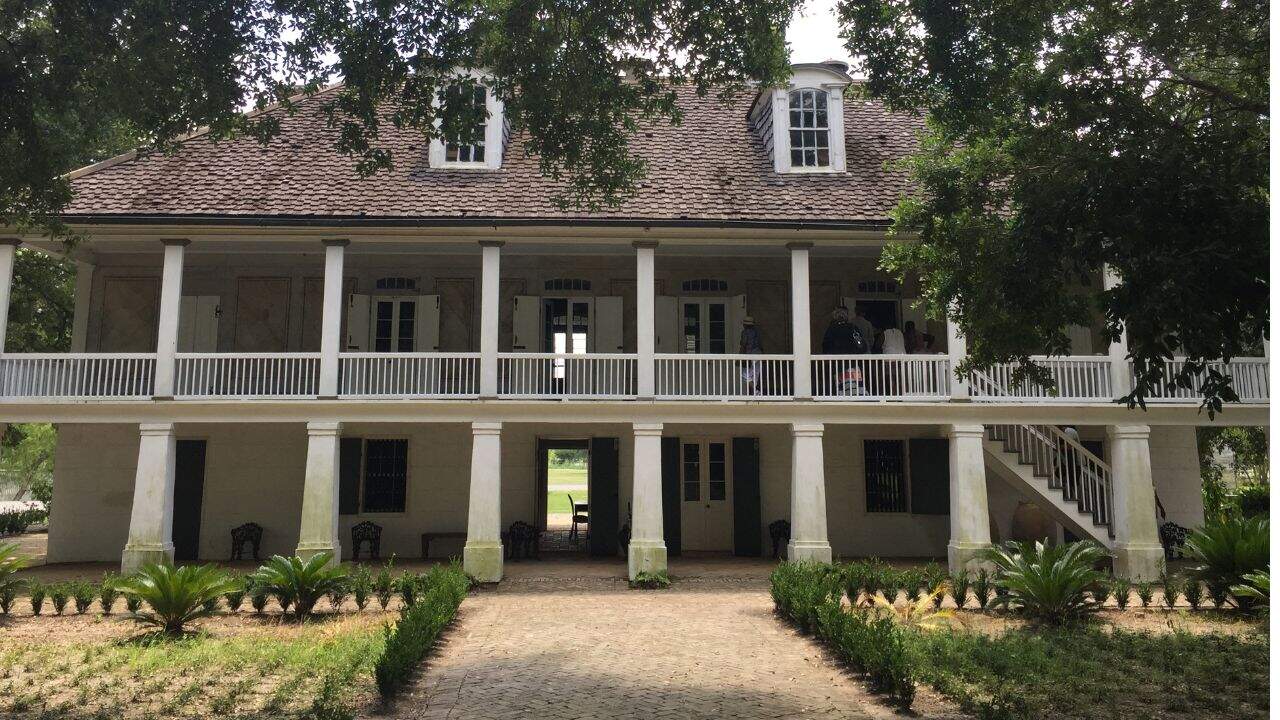
Whitney centers the lives of the enslaved. Names etched in stone, children memorialized in portraits, quarters preserved to scale. The tour is specific and unflinching, which is the point. A few miles upriver, B and C Seafood Market in Vacherie serves fried catfish, gumbo, and seasonal boils on paper lined tables. It is informal and local in the best way. The shift from solemn ground to everyday cooking shows how culture endures beyond a ledger.
Greenwood Rising, Black Wall Street, Tulsa, OK
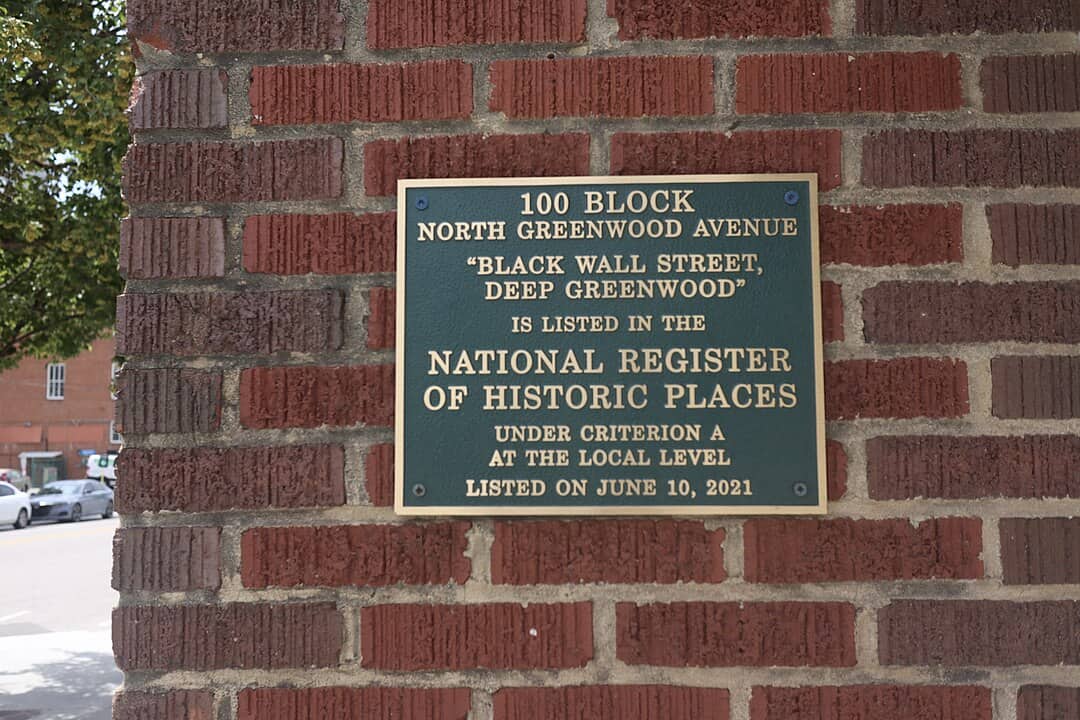
Greenwood Rising details the ascent of Black Wall Street, the 1921 massacre, and the fight to rebuild. Multimedia rooms and oral histories frame both pride and loss. Dinner nearby at Fixins Soul Kitchen keeps spirits up without glossing anything. Hot chicken, yams, and cornbread draw a mixed crowd that feels like hometown. Walk past murals on Greenwood Avenue and the past and present talk to each other while the kitchen keeps the conversation moving.
National Civil Rights Museum at the Lorraine Motel, Memphis, TN
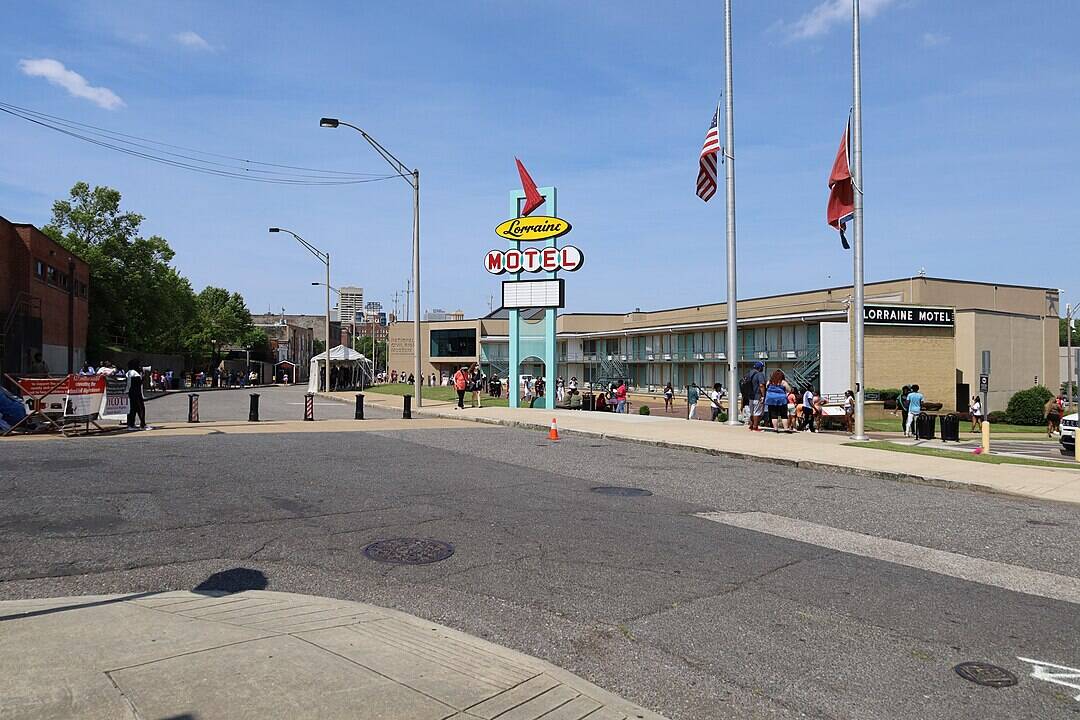
The Lorraine Motel holds a museum that follows sit ins, freedom rides, and labor battles, then lands at Room 306 with a hush. It is a long visit worth taking slowly. The Four Way sits a short drive away and has fed the city since the big band era. Order fried catfish or turkey and dressing, then eavesdrop on how neighborhoods really talk. Booths carry stories, and the servers seem to know half the guests by name.
Schomburg Center for Research in Black Culture, Harlem, NY
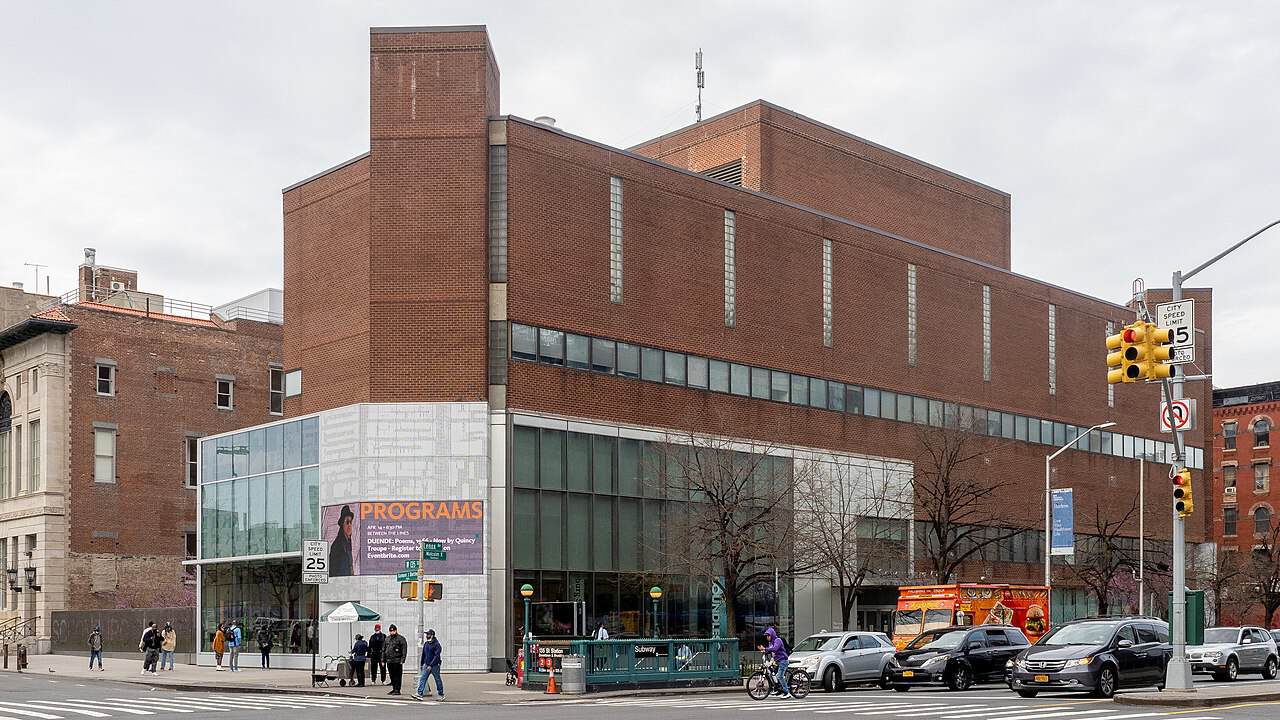
The Schomburg is a living archive, not a quiet relic. Exhibitions rotate through art, literature, and politics while the reading room anchors a century of study. Afterward, Sylvias waits a few blocks down Lenox with smothered chicken, cabbage, and cornbread that define Harlem comfort. Tourists find it, but regulars hold the vibe. On Saturdays the street feels like a rolling block party. Library, lunch, and neighborhood stitch together into one memory.
Penn Center, St. Helena Island, SC
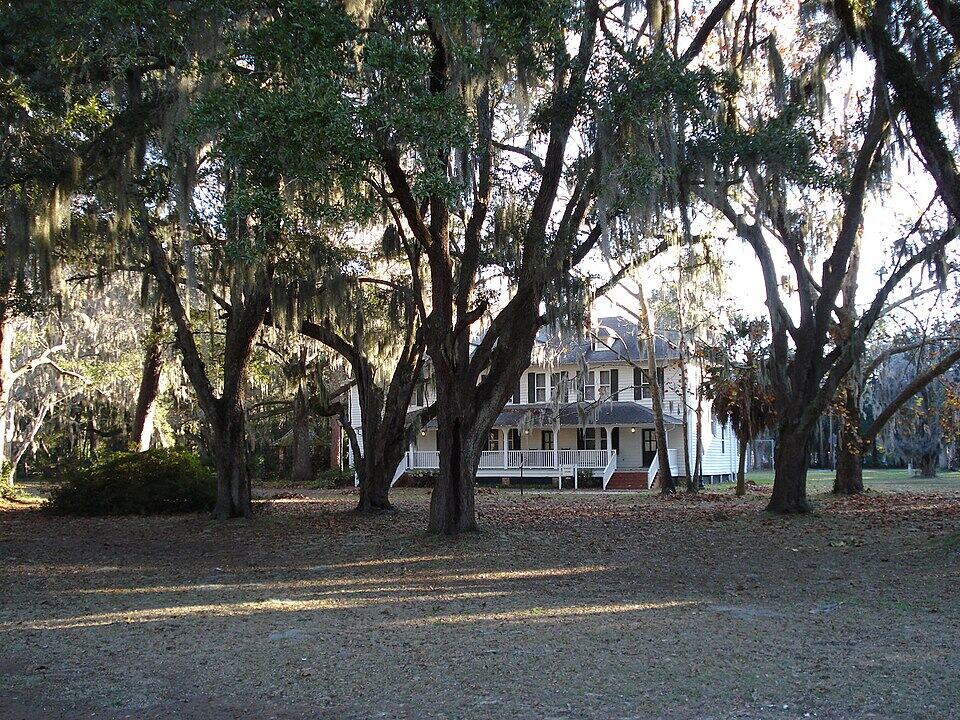
Live oaks shade the campus where one of the first schools for freed people thrived, then later hosted retreats for movement leaders. The museum buildings are modest, the meaning is not. Along Sea Island Parkway, Gullah Grub carries the language of the islands into shrimp and grits, she crab soup, and collards. Everything tastes both coastal and home grown. The day moves unhurried here, which suits the landscape and the story.