8 Things First-Timers Get Wrong at Hawaii Volcanoes National Park
We may earn money or products from the companies mentioned in this post. This means if you click on the link and purchase the item, I will receive a small commission at no extra cost to you ... you're just helping re-supply our family's travel fund.
Hawaii Volcanoes National Park on the Big Island protects two of the most active volcanoes on Earth, Kilauea and Mauna Loa. The park stretches from sea level to the summit of Mauna Loa at 13,679 feet and covers more than 300,000 acres of lava fields, rainforest, craters, and coastline. It is one of the few places on the planet where you can stand on land that did not exist a few decades ago.
It is also one of the most misunderstood parks in the country. Visitors arrive in shorts and flip-flops expecting a river of lava beside the parking lot. Instead they find cold mist at the summit, a landscape that changes month to month, and closures they did not know about. None of that makes the park less worth seeing. It just means it rewards people who plan.
Here are eight things first-timers get wrong, and what to do instead.
8 Things First-Timers Get Wrong at Hawaii Volcanoes National Park
1. Expecting to Walk Up to Flowing Lava
The images that sell Hawaii trips, glowing rivers of lava pouring into the sea, came from specific eruptions that lasted for years and then ended. Kilauea’s long-running eruption on its east rift poured lava toward the ocean for decades, but that phase ended in 2018, when a major eruption in the lower Puna district destroyed hundreds of homes and the summit crater collapsed.
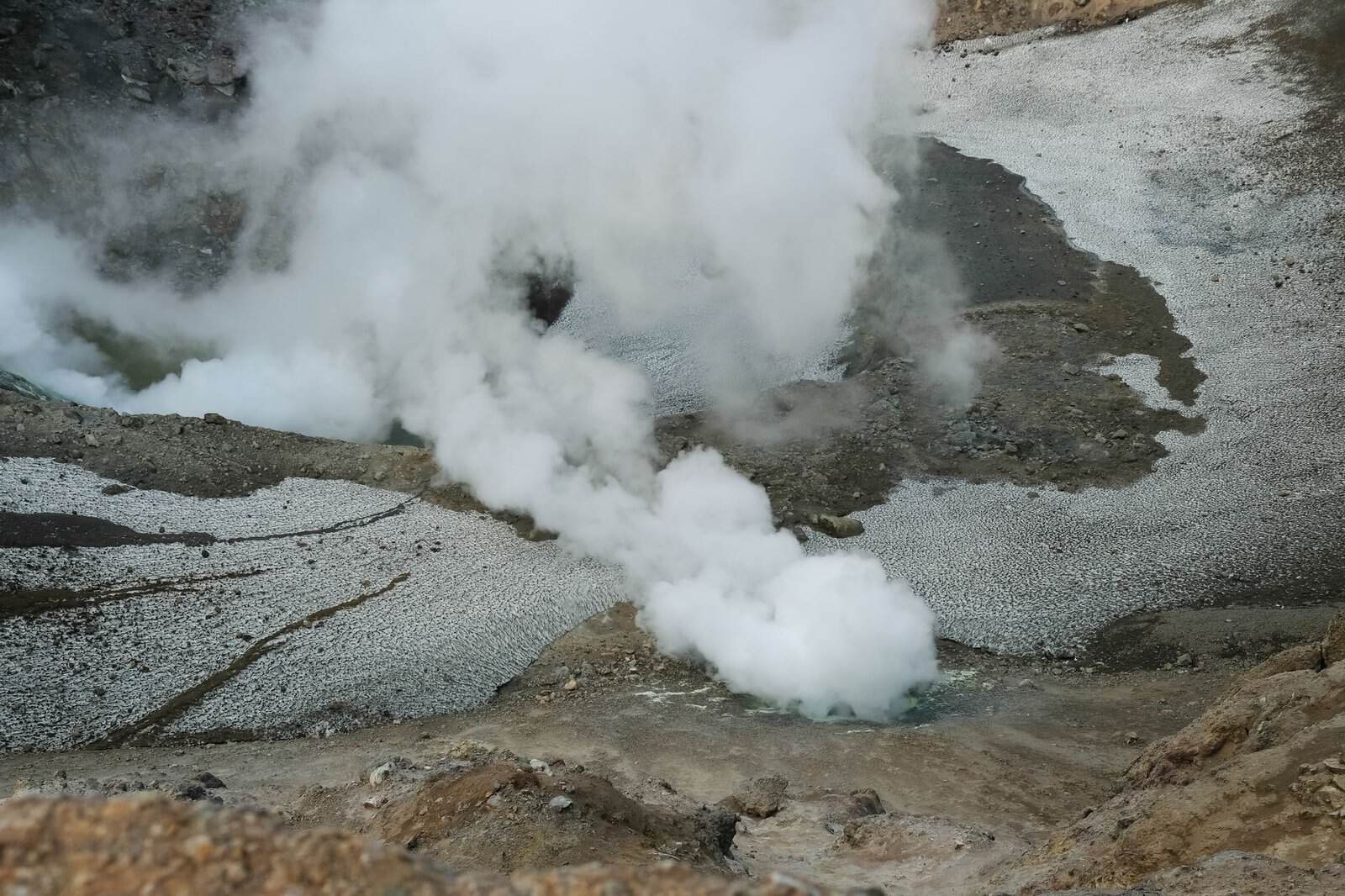
Since then, activity has come in episodes. Some periods have brought lava lakes and dramatic fountains inside the summit caldera, visible from overlooks at a safe distance. Other stretches have brought no visible lava at all. Lava you can approach on foot is rare and usually off-limits for safety.
Before you go, check the U.S. Geological Survey’s Hawaiian Volcano Observatory and the park’s current conditions page. If an eruption is underway, the park will post where viewing is allowed. If it is not, plan your visit around the craters, steam vents, lava tubes, and coastline, which are there every day.
2. Underestimating the Cold
The Kilauea summit area, where the main visitor center and Volcano House sit, is at roughly 4,000 feet. It is often 15 to 20 degrees cooler than Kona or Hilo, and it is frequently wet and windy. In winter, nighttime temperatures in the 40s and 50s Fahrenheit are common, and rain can blow sideways across the caldera rim.
Pack long pants, a warm fleece or insulated jacket, a rain shell, and closed-toe shoes. If you plan to watch an eruption glow after dark, bring a hat and gloves. Visitors who come straight from the beach in tank tops end up shivering at the overlooks or buying sweatshirts at the gift shop.
3. Skipping Chain of Craters Road
Many visitors stay at the summit and miss the park’s most dramatic drive. Chain of Craters Road descends about 3,700 feet over roughly 19 miles, from the rainforest near the summit to the rugged coast. Along the way it passes a line of pit craters, overlooks of wide black lava fields, and flows from different eruptions that you can date by how much vegetation has returned.
The road ends near the Holei Sea Arch, where waves have carved an arch into a lava cliff, and at the point where a past lava flow buried the old road. The round trip takes at least two to three hours with stops. There is no gas, food, or water along the way, so fill up before you go and pack snacks.
4. Trying to See It in a Few Hours
The park is far from the Big Island’s main resort areas. From Kona, the drive takes about two to two and a half hours each way. From Hilo, it takes about 45 minutes. Visitors staying on the Kona side sometimes attempt a quick round trip and spend more time in the car than in the park.
Give the park at least one full day. Better yet, spend a night in Volcano Village or at Volcano House, the hotel on the caldera rim. That lets you see the summit in different light, catch an eruption glow if one is happening, and drive Chain of Craters Road without rushing.
5. Ignoring Vog
Kilauea releases sulfur dioxide and other volcanic gases, which react in the air to form a haze known as vog. Vog levels change with eruptive activity and wind. Near the summit, high concentrations of sulfur dioxide can be dangerous, particularly for children, older adults, pregnant visitors, and people with asthma or heart and lung conditions.
The park and the Hawaii Department of Health track air quality and post alerts. Areas like the Sulphur Banks trail can have strong gas smells. If you have breathing problems, check conditions, stay upwind when possible, and leave an area if you start to feel irritation.
6. Crossing Closures and Barriers
The 2018 collapse of the summit caldera dramatically changed the landscape, and parts of the old Crater Rim Drive and some trails remain closed. Earthquakes and ground cracking can open new hazards. Steam vents and cracks can hide unstable ground, and cliff edges at the caldera are crumbling.
Every year, rangers rescue people who stepped over barriers for a better photo. Stay on marked trails and viewing areas, keep children close, and treat closures as non-negotiable. The rules exist because the ground here is still moving.
7. Leaving Before Dark
When an eruption is active, the best viewing usually comes after sunset, when the glow lights up the clouds and caldera walls. Even without visible lava, the summit at night has some of the darkest skies in Hawaii, with excellent stargazing on clear nights.
If you stay after dark, bring a flashlight with a red light setting, dress warmly, and park only in designated areas. Popular viewpoints can fill up during active eruptions, so arrive before sunset to claim a spot and watch the transition from day to night.
8. Forgetting the Cultural Significance
For Native Hawaiians, Kilauea is the home of Pele, the goddess of volcanoes and fire. The summit crater of Halemaumau is a sacred place, and many families have deep ancestral ties to the land. The park preserves cultural sites, including petroglyph fields and traditional trails.
Treat the landscape with respect. Do not take lava rocks, sand, or other natural items. Do not stack rocks or leave offerings, which can be disrespectful if you do not understand the protocol. Learn the history at the visitor center, and walk the boardwalk at the Puu Loa petroglyphs along Chain of Craters Road, where thousands of carvings mark the lava.
The Best First-Day Route Through Hawaii Volcanoes National Park
If you only have one day, this route covers the highlights without backtracking too much:
- Morning: Kilauea Visitor Center for current conditions, eruption updates, and a ranger talk.
- Late morning: walk the Steam Vents and Sulphur Banks area, then visit overlooks on the caldera rim.
- Midday: walk through Nahuku, also called the Thurston Lava Tube, a large tunnel formed when the surface of a lava flow hardened while molten lava kept flowing beneath.
- Early afternoon: hike the Kilauea Iki Trail, a loop of about 4 miles that drops through rainforest onto the floor of a crater that held a lava lake in 1959.
- Late afternoon: drive Chain of Craters Road to the sea arch, stopping at the Puu Loa petroglyphs.
- Evening: return to the summit for sunset and any visible eruption glow.
When to Visit
The park is open year-round, 24 hours a day. Weather at the summit varies more by time of day than by season, but winter months tend to bring more rain and cooler temperatures. Holiday weeks, especially Christmas through New Year’s, are among the busiest times, and an active eruption can draw large crowds to viewpoints.
Weekday mornings are generally the quietest. If there is an active eruption, viewing areas may be busiest from just before sunset through the first few hours of darkness.
Fees, Passes, and Practical Details
The park charges an entrance fee per private vehicle, valid for seven days, and accepts the America the Beautiful annual pass. Fees change, so check the official site before you go. There are no gas stations in the park; the closest are in Volcano Village.
Cell service is spotty in parts of the park, especially along Chain of Craters Road. Download maps ahead of time. Bring water, because the lava fields are hot and exposed even when the summit is cool.
Where to Stay
Volcano House sits on the rim of Kilauea caldera inside the park, with rooms and a restaurant that overlook the crater. Book well ahead, especially during eruptions. The park also has campgrounds, including Namakanipaio, which has campsites and simple cabins.
Volcano Village, just outside the park entrance, has a cluster of bed-and-breakfasts, cabins, and vacation rentals in the misty rainforest, along with a few restaurants and a general store. Hilo, about 45 minutes away, has more hotels and dining, plus farmers markets and waterfalls nearby.
Getting There
The park sits on Highway 11 on the southeast side of the Big Island. From Hilo, the drive takes about 45 minutes. From Kona, plan on two to two and a half hours, either around the south end of the island through Kau or across the island on the Daniel K. Inouye Highway and through Hilo. Many visitors fly into Hilo for easier access, or split a trip between both sides of the island.
The Bottom Line
Hawaii Volcanoes National Park does not perform on command, and that is part of what makes it worth visiting. Check eruption updates before you go, pack for cold and rain, give yourself a full day or more, and respect closures and cultural sites. If lava is visible, you will be glad you planned. If it is not, you will still walk through craters, lava tubes, and fresh land that most of the world never sees.