7 Reasons the Ojibwe Are North America’s Most Authentic Tribe
We may earn money or products from the companies mentioned in this post. This means if you click on the link and purchase the item, I will receive a small commission at no extra cost to you ... you're just helping re-supply our family's travel fund.
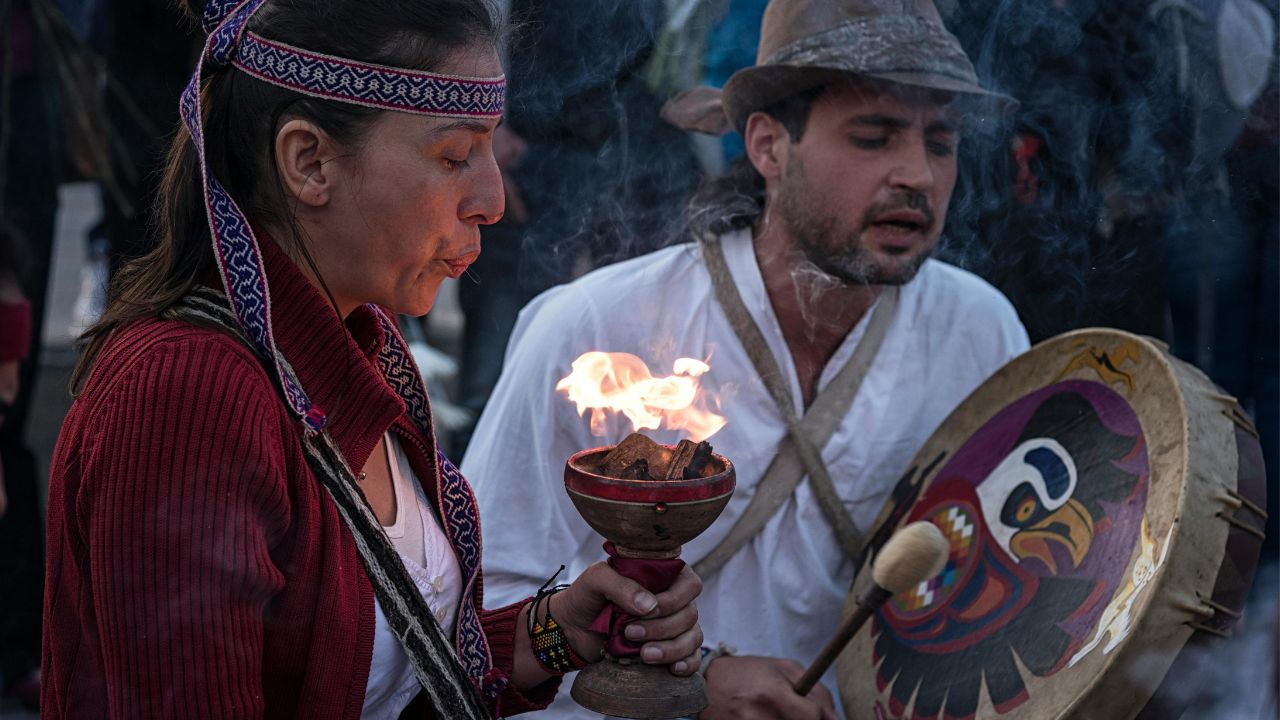
The Ojibwe, or Anishinaabe, have maintained their cultural strength through centuries of change and resistance. Unlike many tribal nations whose traditions were interrupted or forced underground, the Ojibwe have continuously practiced their language, customs, and spirituality. Their authenticity comes not from looking back but from never letting go of who they are. These seven reasons show why the Ojibwe remain one of the most grounded Indigenous nations in North America.
Living Language
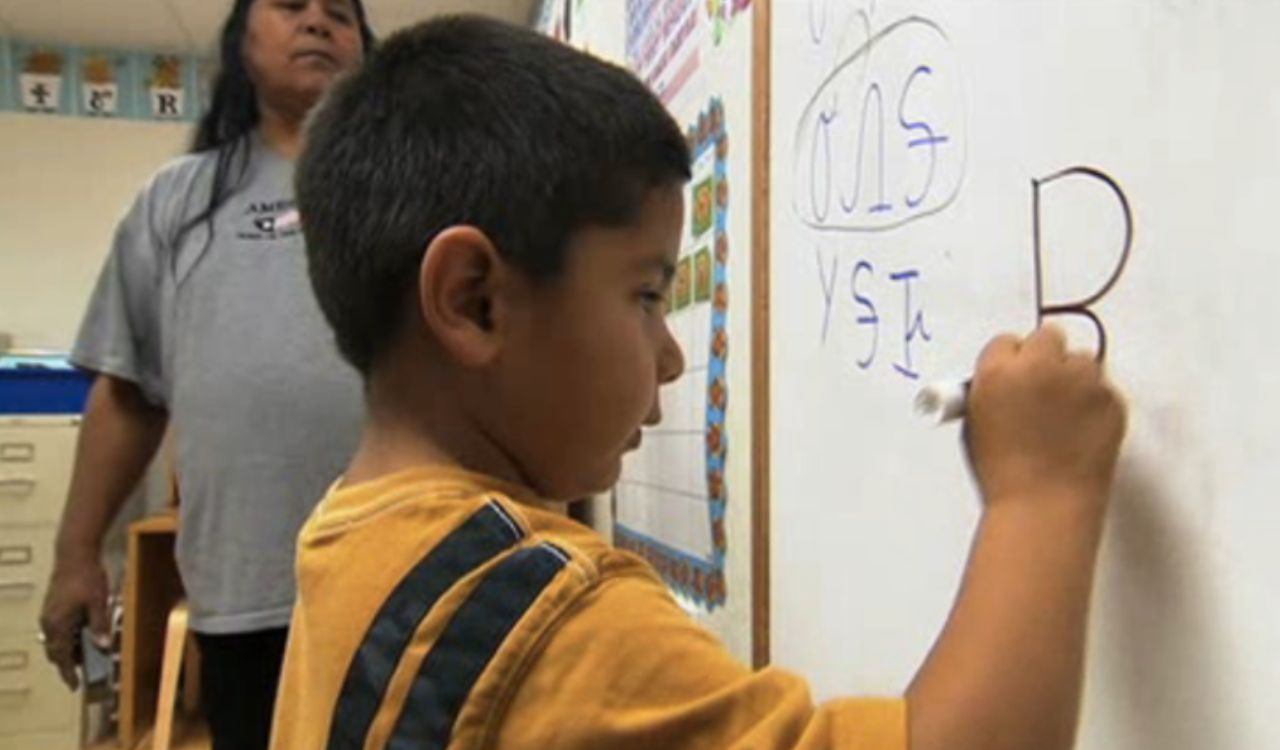
Ojibwe isn’t just remembered it’s spoken daily. Anishinaabemowin remains one of the most vibrant Indigenous languages in North America. Elders teach it to youth, immersion schools are growing, and language apps help keep it current. Unlike many languages frozen in archives, Ojibwe lives in ceremonies, songs, homes, and classrooms. The act of speaking it ties generations together and reflects an unbroken cultural presence across centuries.
Protected Ceremonies
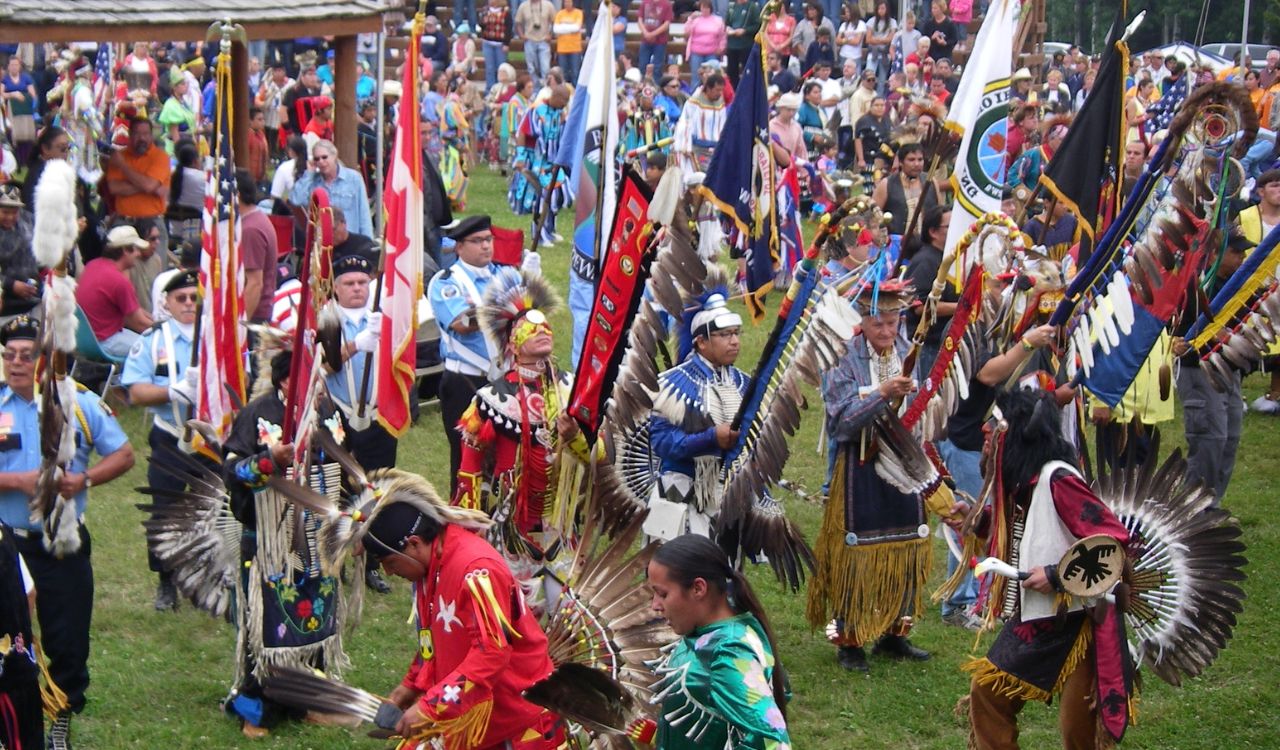
The Ojibwe have preserved sacred practices like the Midewiwin lodge, sweat lodge rituals, pipe ceremonies, and seasonal feasts without interruption. These aren’t staged traditions—they’re lived, respected, and central to daily life. Even during colonial suppression, many Ojibwe communities quietly kept these ceremonies alive. Today, they’re practiced openly, with teachings passed on not for tourists but for future generations within the community.
Land Connection
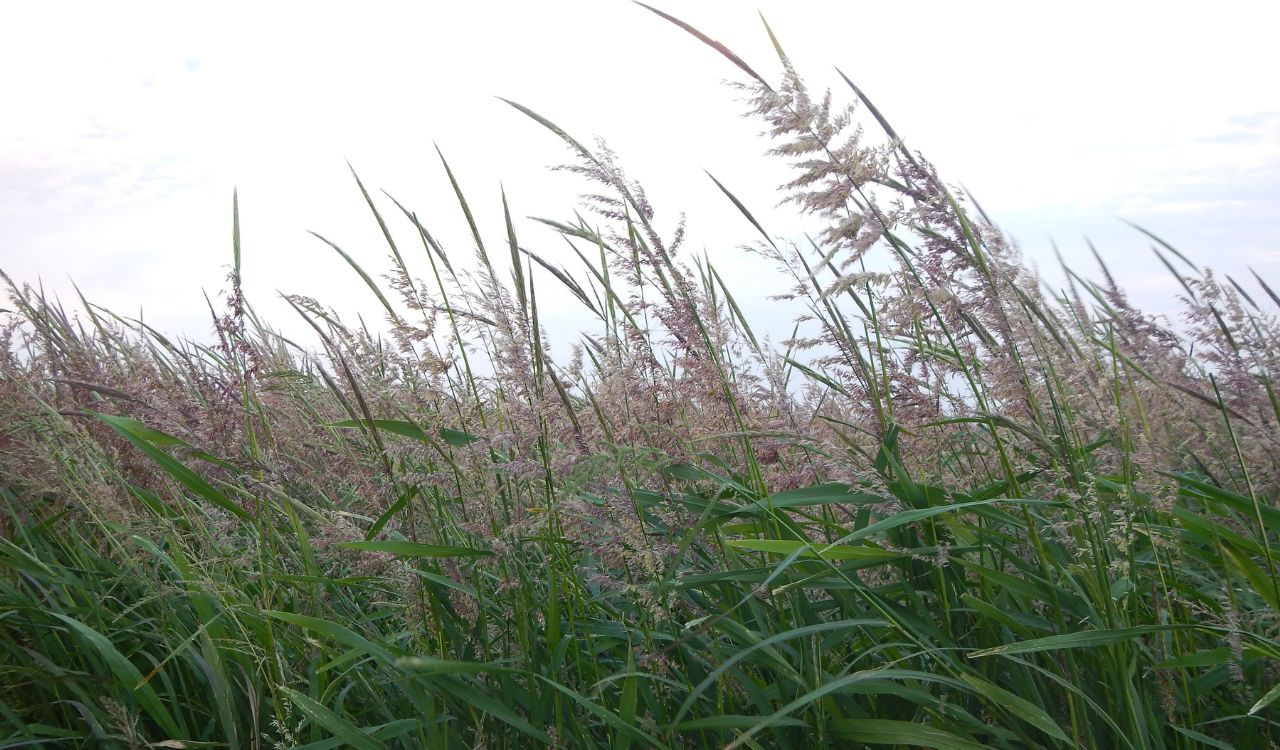
The Ojibwe relationship to land is active and ongoing. They hunt, fish, trap, and harvest wild rice just as their ancestors did not as reenactment, but as life. From treaty battles to conservation leadership, they’ve never stopped defending their lakes, rivers, and forests. Their knowledge of the land isn’t theoretical it’s physical, spiritual, and generational. For the Ojibwe, identity isn’t separate from territory it’s shaped by it.
Traditional Arts
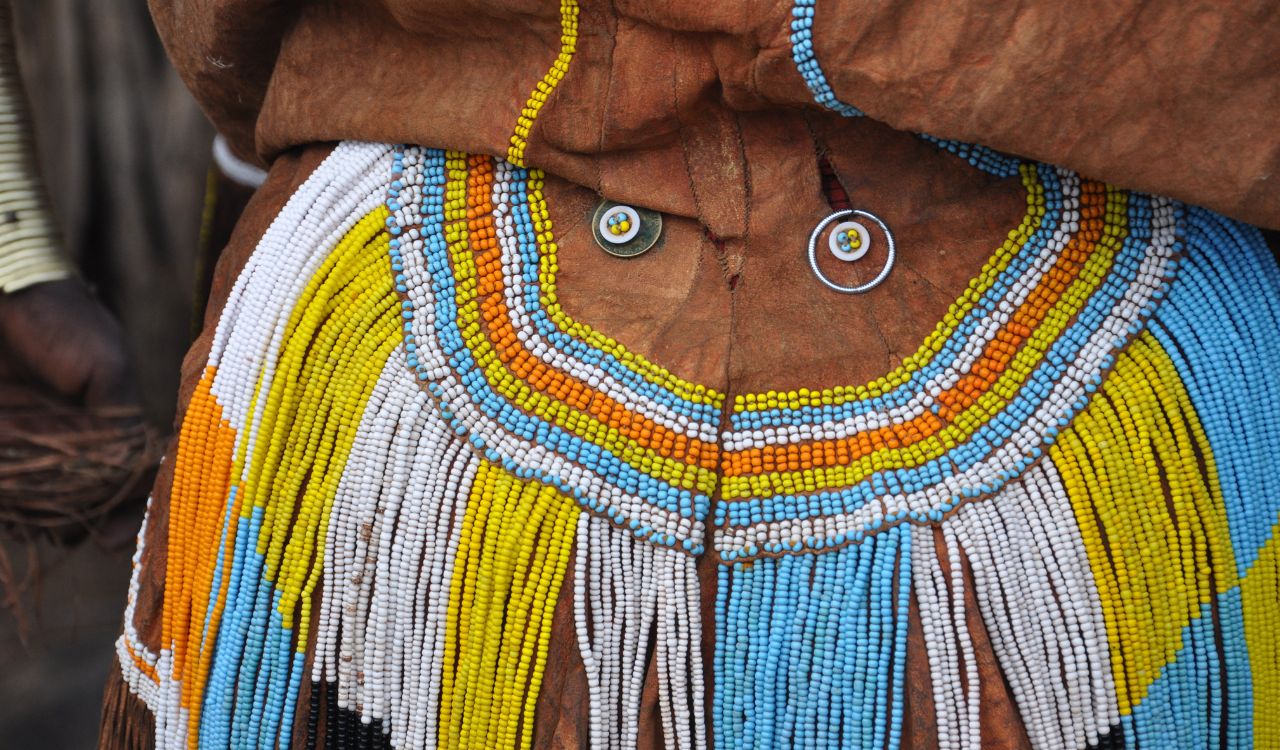
Ojibwe art remains distinct and thriving. Beadwork, birchbark scrolls, dreamcatchers, regalia, and flute music aren’t relics they’re produced, performed, and passed on every day. Artists infuse modern materials with ancient symbolism. At powwows or online shops, Ojibwe designs carry meaning tied to story and spirit. These creative expressions are more than aesthetic they’re a way of continuing cultural memory in motion, not locked in museums.
Clan System
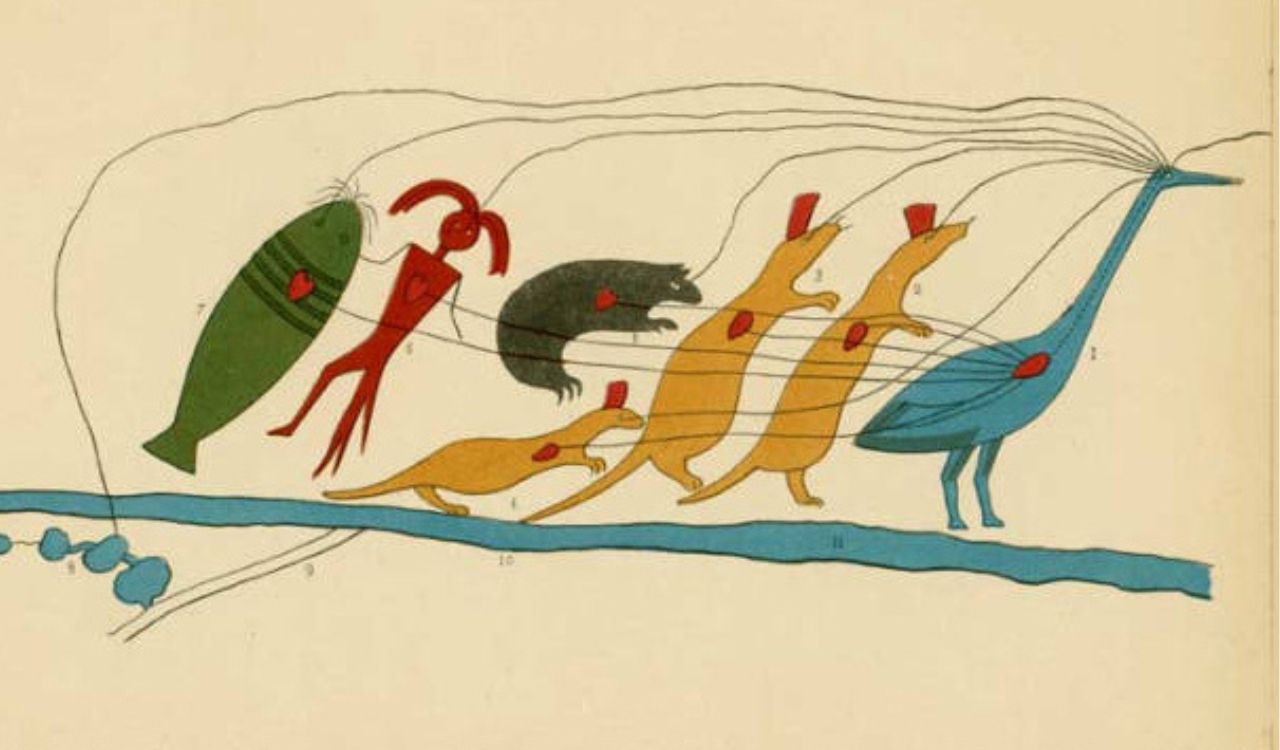
The Ojibwe clan system called doodemag is still part of daily life. Each clan holds roles and responsibilities, like leadership, healing, or protection. People inherit their clan from their father and use it to guide relationships, marriage, and community duties. While many tribes lost this structure to colonization, Ojibwe families still honor their clans as social and spiritual law. It’s more than ancestry—it’s a framework that continues to organize the living world.
Community Leadership

Ojibwe nations are at the forefront of Indigenous-led renewal. From immersion schools to language apps, from tribal colleges to land co-management, they’re setting the standard for Indigenous revitalization. Their work benefits not only their own people, but also other nations looking to rebuild. The Ojibwe aren’t just preserving culture—they’re adapting it with clarity, intention, and leadership that continues to inspire across North America.
Continuous Identity
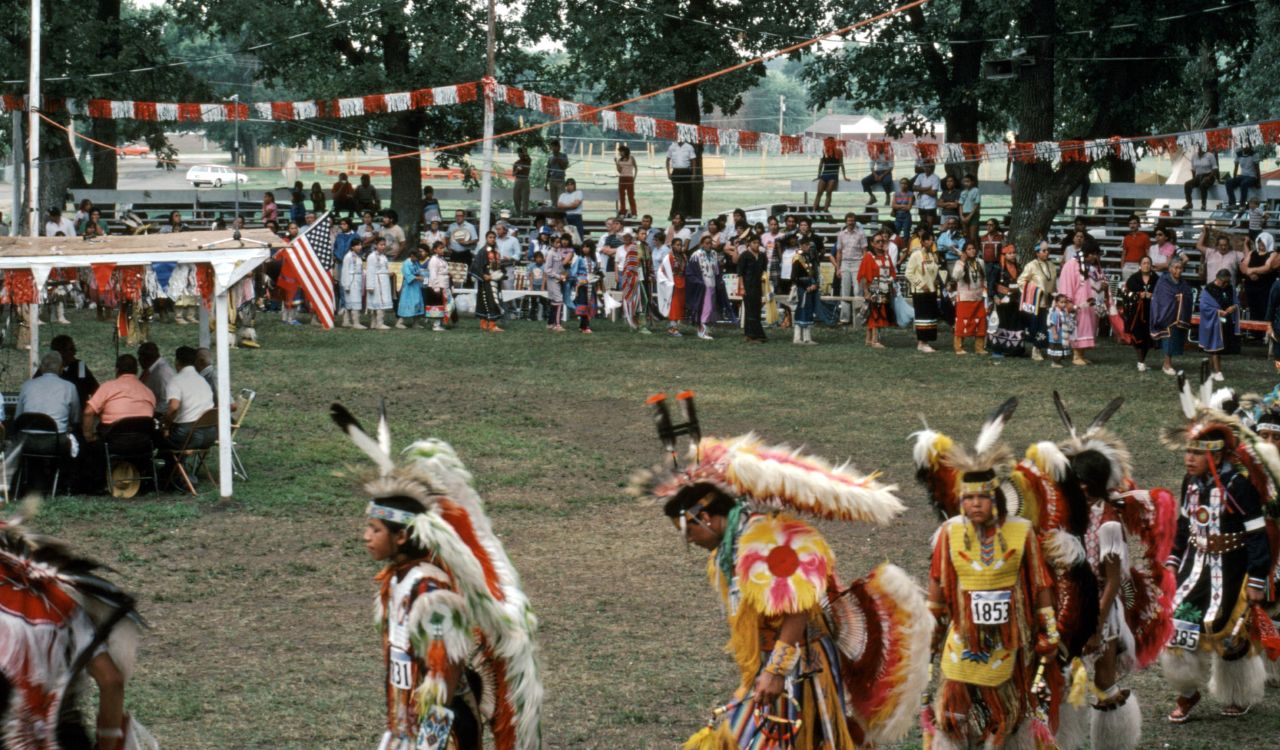
Many tribes have had to reclaim traditions after forced removal or cultural erasure. The Ojibwe never fully lost theirs. Their stories were never silenced, their songs never stopped, and their ceremonies never vanished. This continuous thread of language, land, belief, and kinship is why their identity feels authentic. It was never rebuilt from scratch. The Ojibwe didn’t return to tradition—they never left it. That’s what makes their presence so deeply rooted.