These 6 Destinations Are So Underrated, They Might Disappear Before You Get There
We may earn money or products from the companies mentioned in this post. This means if you click on the link and purchase the item, I will receive a small commission at no extra cost to you ... you're just helping re-supply our family's travel fund.
Paul Jewkes/Unsplash
For years, the retirement dream was sold as heat, palm trees, and a permanent patio season. Now a different mood is taking hold. More travelers and future retirees are drawn to cooler, quieter places with working harbors, ferry towns, glacier valleys, and big saltwater horizons, even as many of those places face erosion, drought, and rising seas. The pull is not just beauty. It is the feeling of catching a place while its rhythms, landscapes, and local character are still intact.
Tuvalu’s Atolls Feel Intimate and Urgent
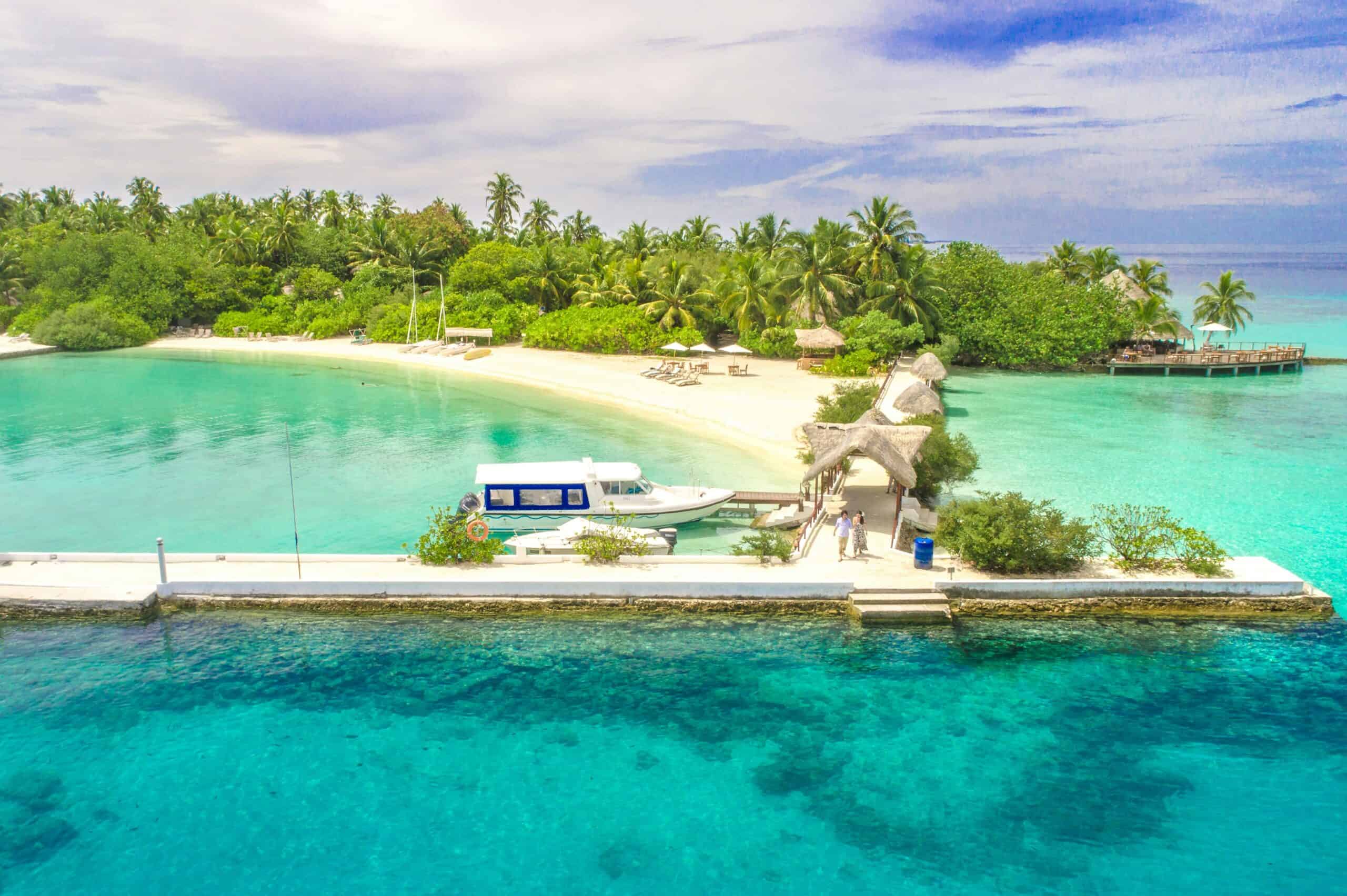
Tuvalu still feels like the kind of trip people hear about from a marine scientist or a sailor, not a travel ad. The official tourism site describes Funafuti as a tiny coral atoll and points travelers toward remote atolls and local guesthouses, which is exactly the appeal: small-scale days, reef water, and community life without the big-resort gloss. That beauty comes with real pressure, though. Tuvalu’s 2025 National Adaptation Plan says sea levels around the country rose about 0.15 meters over the past 30 years, and UNDP notes the nation’s average elevation is only 1.83 meters above sea level.
Tangier Island, Virginia Keeps a Chesapeake Life on Borrowed Shoreline
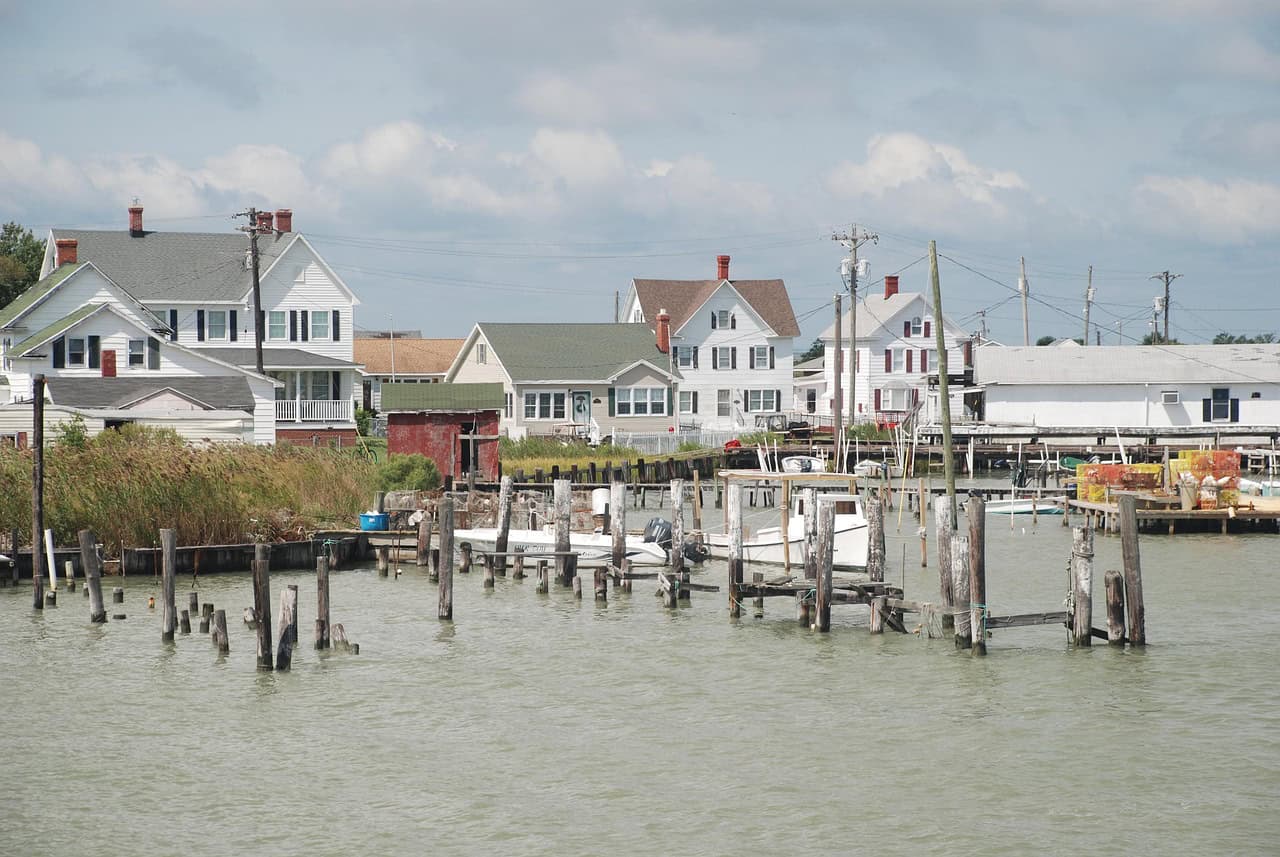
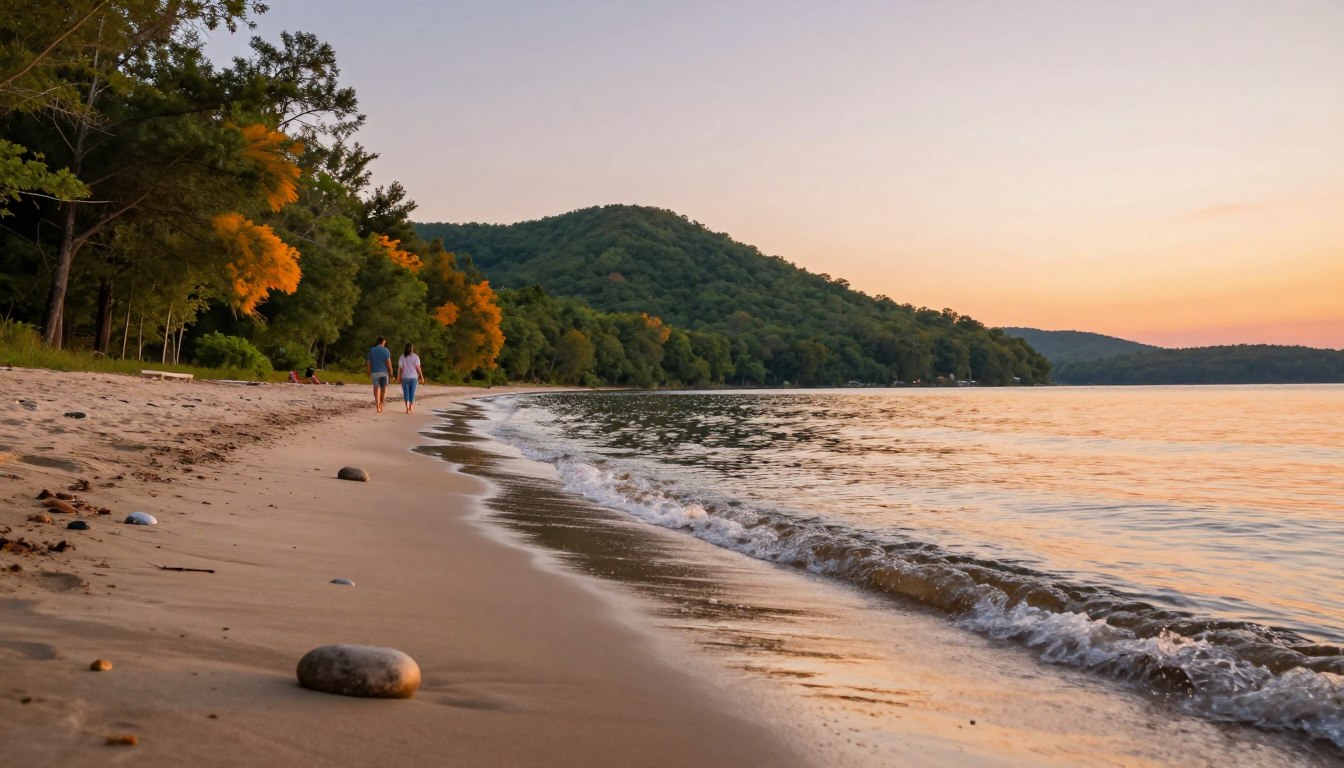
Tangier Island has the kind of Chesapeake character many retirement towns lost years ago: seafood docks, narrow lanes, and streets where bicycles and golf carts still make more sense than traffic lights. Virginia’s tourism office describes it as a remote island 12 miles out in the bay, known for soft crabs, local seafood, and a museum that preserves island history, so the place still feels lived-in instead of staged. The shoreline record is the hard part to ignore. A Scientific Reports study found 66.75% of the Tangier Islands landmass had already been lost since 1850, which gives every quiet harbor view a little extra weight.
Ocracoke Island, North Carolina Still Rewards the Long Way In
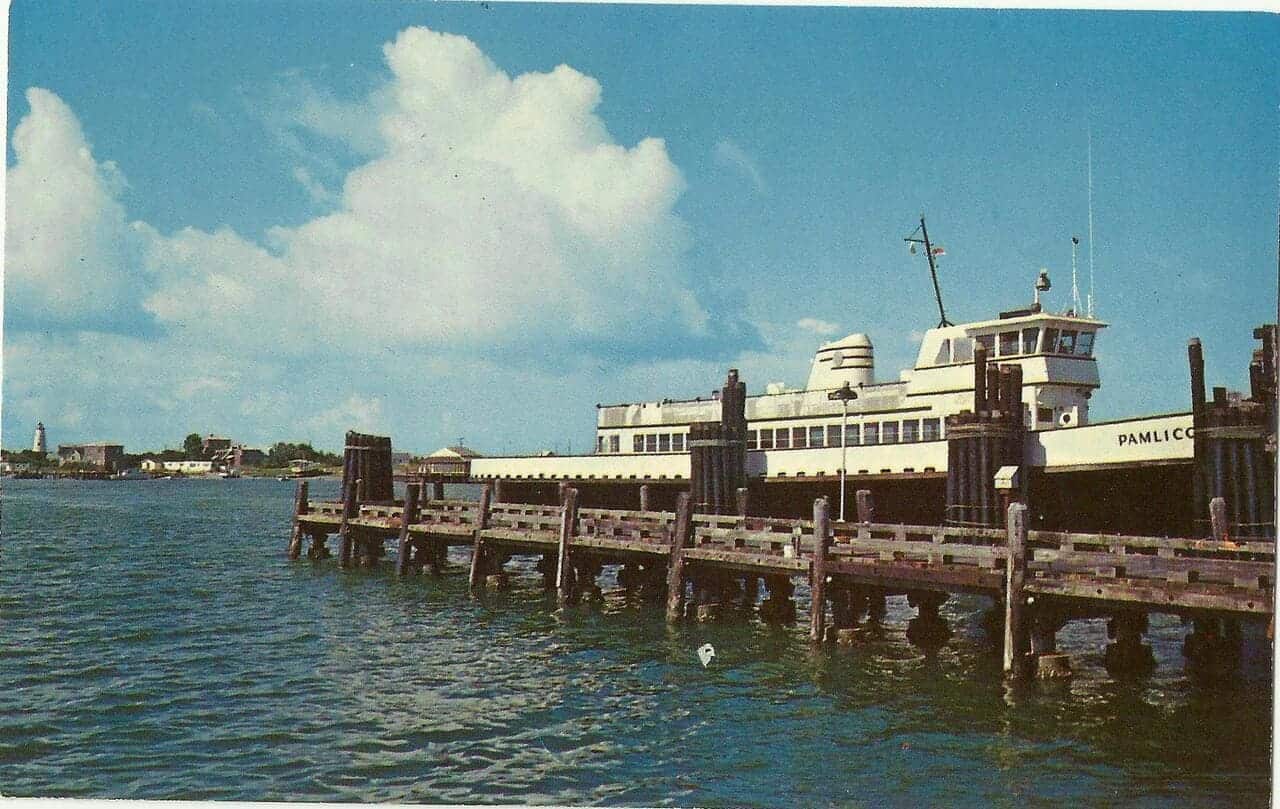
Ocracoke remains one of the rare beach places where the journey does part of the emotional work before anyone even reaches the village. North Carolina’s ferry system still makes the approach a water route, and state transportation officials note Ocracoke routes are part of the Outer Banks National Scenic Byway, which fits the island’s slower, wind-shaped rhythm and long local memory. That same geography is the risk. National Park Service researchers say storm events, sea level rise, and chronic coastal processes may worsen shoreline erosion and disrupt the transportation corridor that keeps the island connected.
Great Salt Lake, Utah Is Beautiful, Strange, and More Fragile Than It Looks

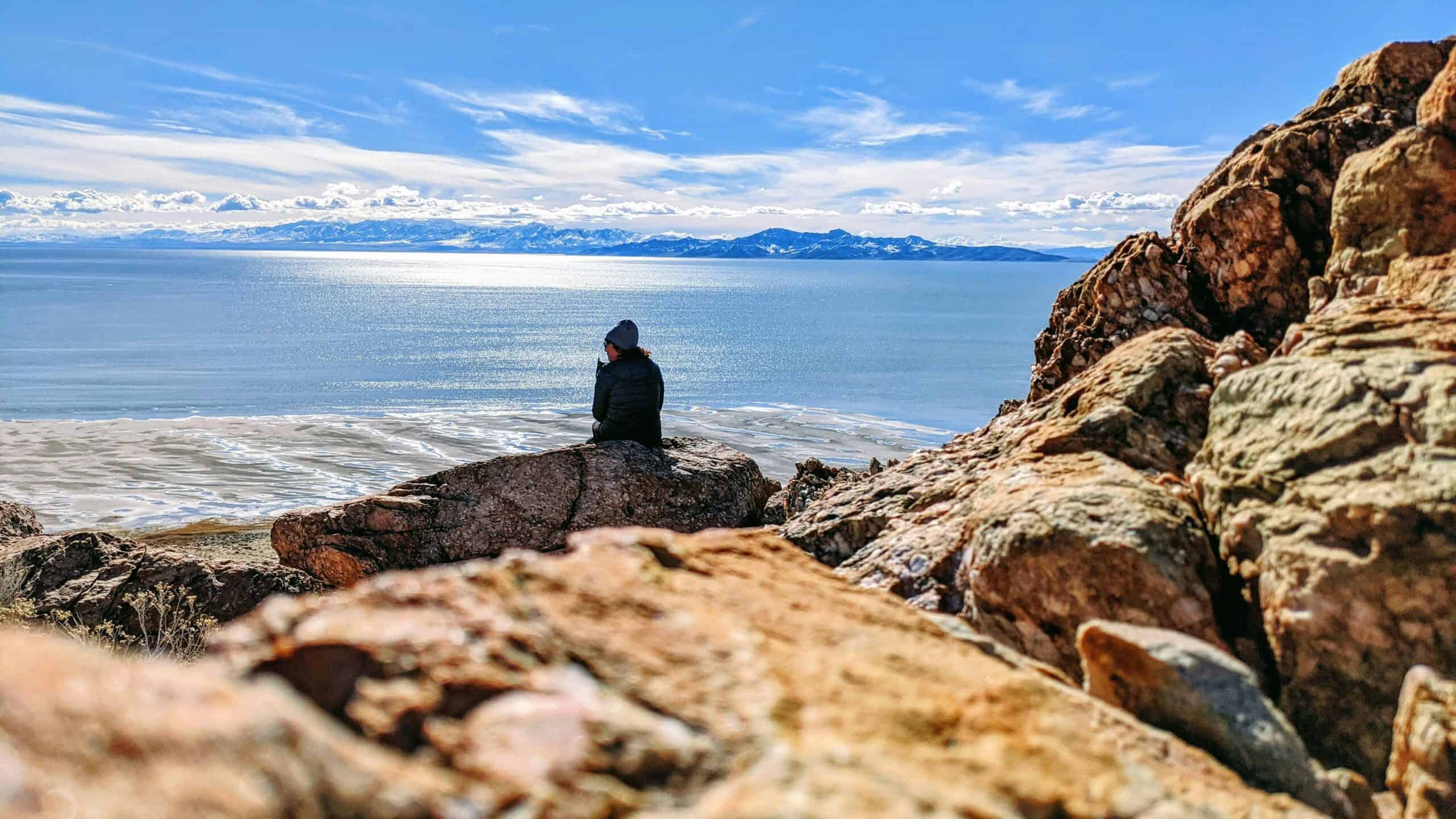
Great Salt Lake can feel almost unreal at sunset, with bright salt edges, open sky, and bird movement that seems to stretch across the whole horizon. Utah State Parks describes public viewpoints, boating access, and a lake that is two to seven times saltier than the ocean, plus a major migratory stop for millions of birds, which is why the place leaves such a strong first impression and keeps people lingering. The strain shows up beyond the view. USGS research says dust from exposed Great Salt Lake lakebed areas may contribute to health risks in nearby communities, and it notes parts of the lakebed are dry more often than wet.
The Salton Sea, California Offers Stark Beauty and a Real Ecological Clock
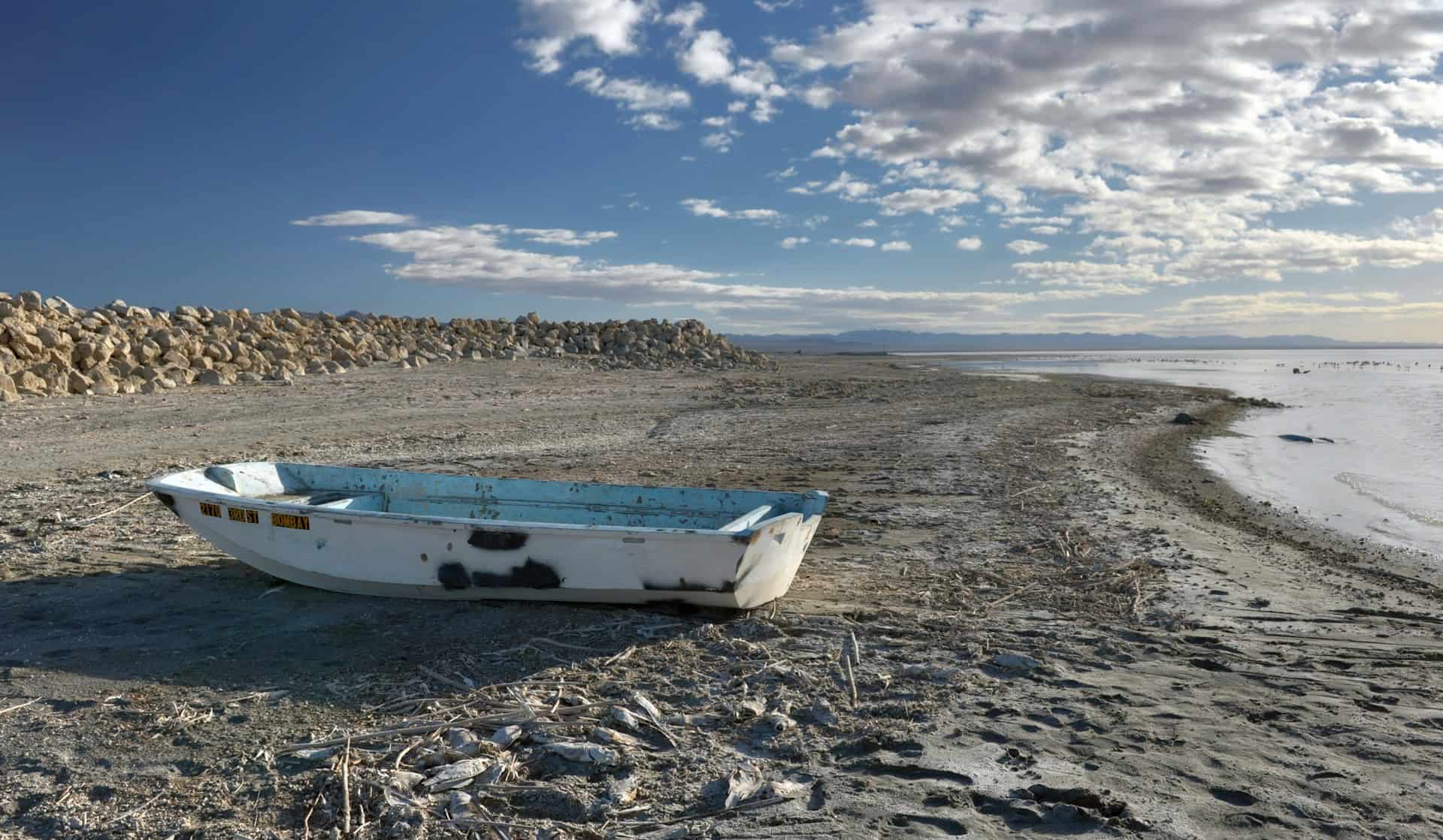
The Salton Sea has a reputation problem, which is part of what makes it feel underrated to travelers who care more about atmosphere than polish. California State Parks highlights sweeping mountain views, boating, and major birdwatching opportunities, including hundreds of bird species during migration, giving the shoreline a stark, cinematic pull that feels unlike coastal California. It also carries a real environmental clock. USGS reports the Salton Sea has shrunk in recent decades and says water levels dropped more than 11 feet in 20 years, reshaping both habitat and the visitor experience along the margins.
North Cascades National Park Holds a Cooler Future That Is Already Changing
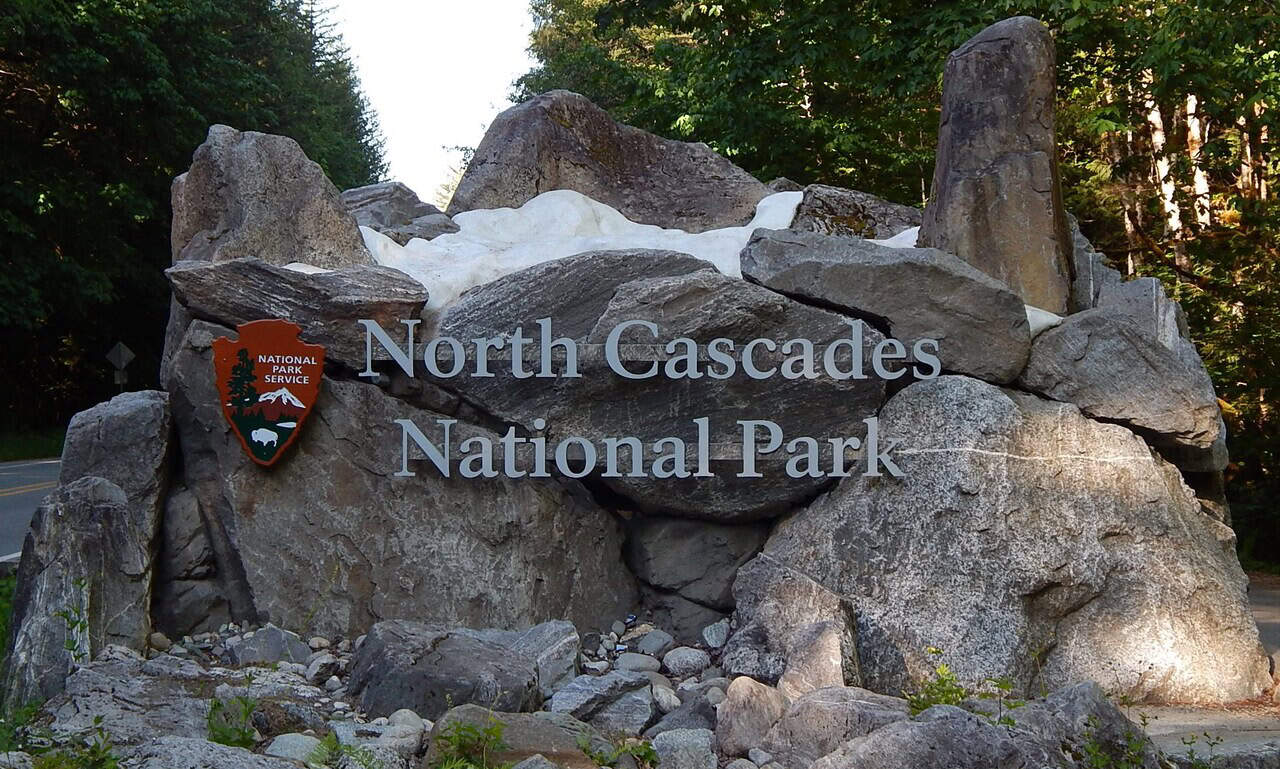
North Cascades stays oddly overlooked for a park this dramatic, especially compared with the better-known names farther south. The National Park Service notes it is less than three hours from Seattle and includes more than 300 glaciers, which helps explain why the ridgelines and valleys feel colder, steeper, and wilder than many parks in the contiguous U.S. The urgency is in the ice itself. NPS climate data says glaciers in the park have lost 53% of their area since 1900, so one of the region’s defining features is retreating even as more people finally discover its cooler summer pull and silence.