8 Remote Alaska Towns You Can Only Reach By Plane Or Boat
We may earn money or products from the companies mentioned in this post. This means if you click on the link and purchase the item, I will receive a small commission at no extra cost to you ... you're just helping re-supply our family's travel fund.
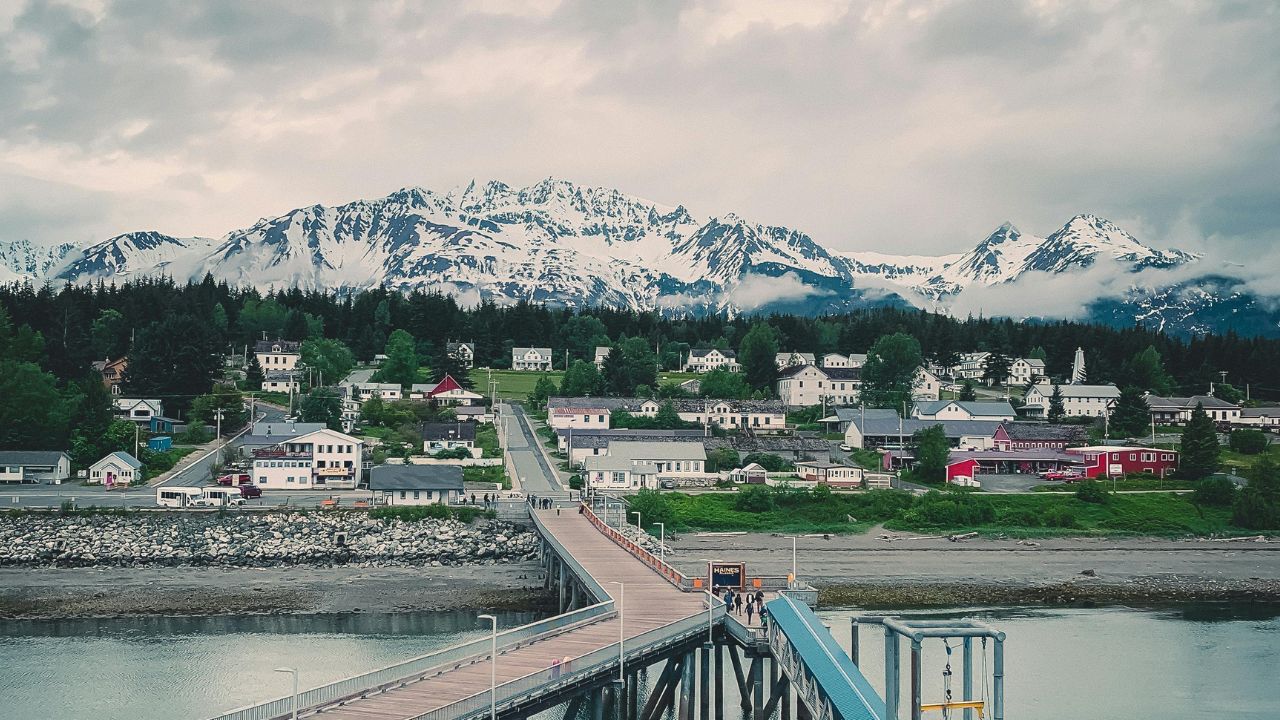
In Alaska, the journey is as much an adventure as the destination. While many visitors stick to cities along the highway system, some of the state’s most captivating towns are completely roadless. Reached only by air or sea, these communities thrive in isolation, relying on fishing, tourism, and subsistence living. Each offers a blend of rugged landscapes, rich cultural history, and a slower pace of life. Visiting them is more than a trip, it’s an immersion into Alaska’s wild heart.
Juneau
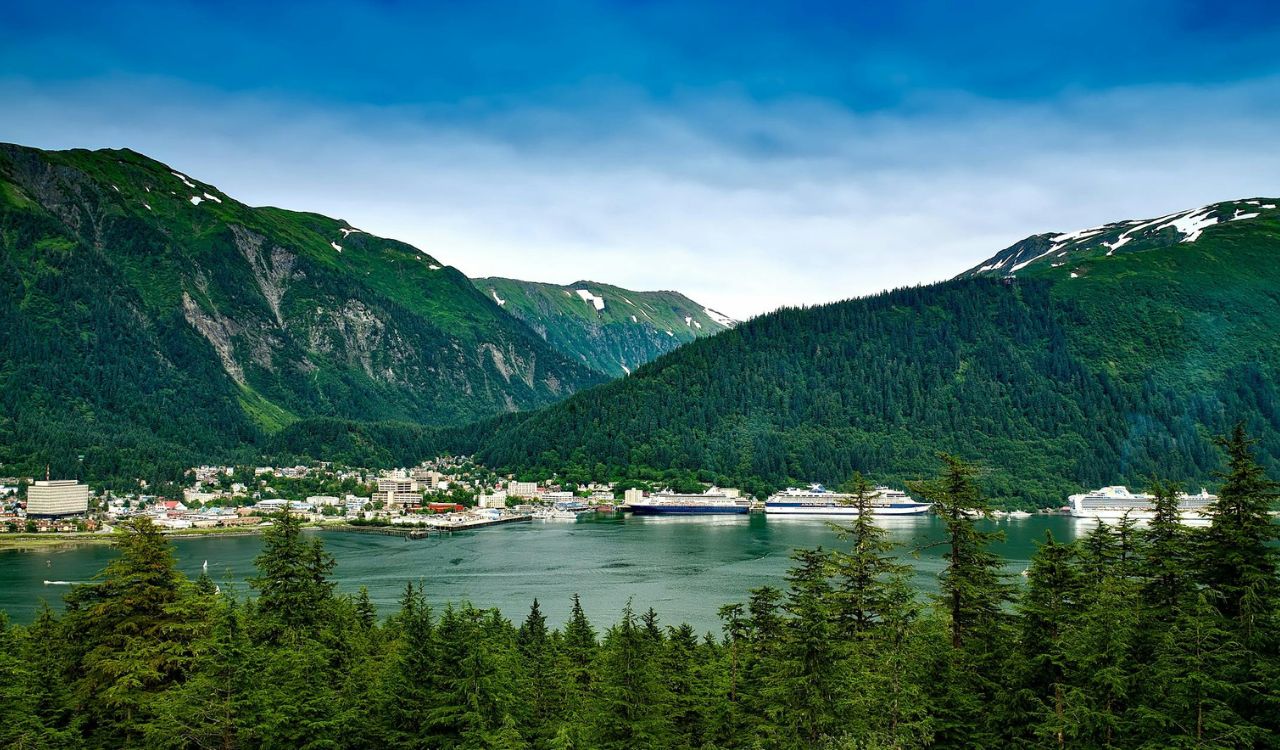
As Alaska’s capital, Juneau stands out for its beauty and its unique inaccessibility. Surrounded by towering mountains and the vast Juneau Icefield, the city has no roads connecting it to the rest of Alaska. Visitors arrive by ferry via the Alaska Marine Highway or by air, with scenic flights over glaciers. Downtown offers a mix of museums, seafood restaurants, and historic buildings, while outdoor lovers head to Mendenhall Glacier, hiking trails, and whale-watching tours.
Ketchikan
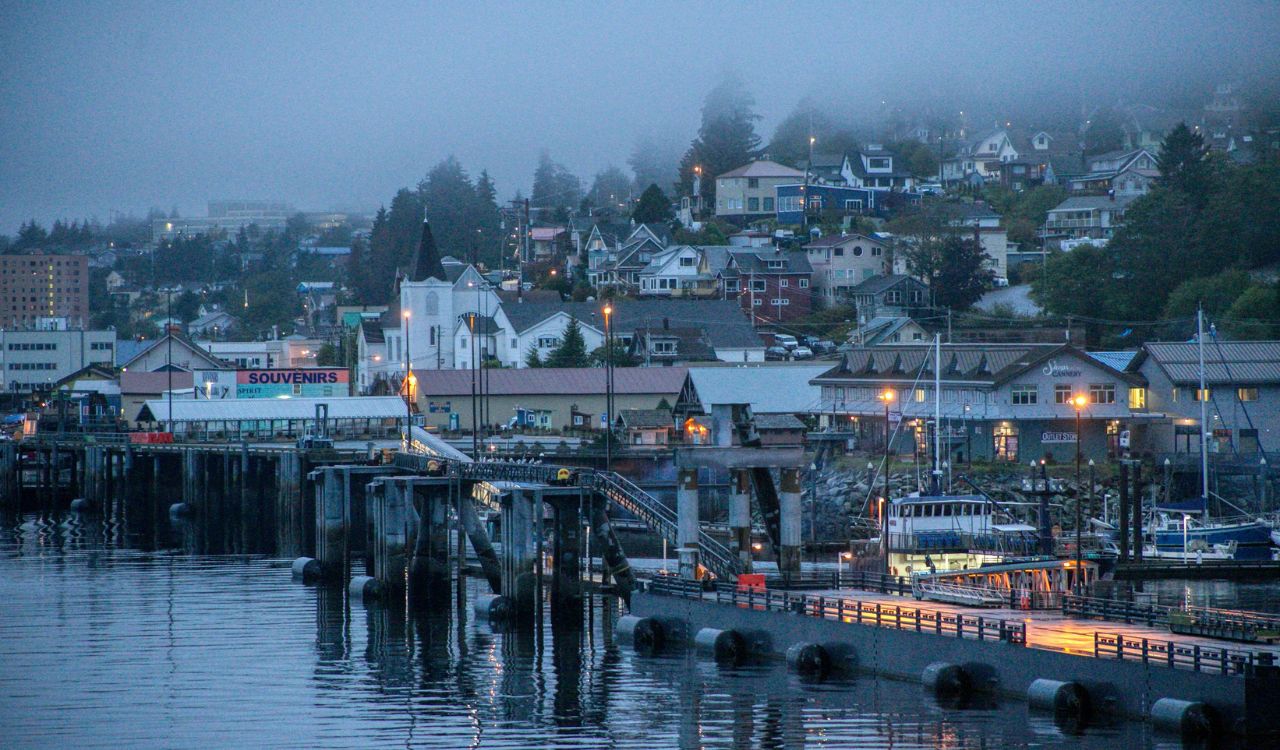
Perched along the Inside Passage, Ketchikan is famous for its rich Native Alaskan heritage and vibrant totem poles. Known as the salmon capital of the world, it draws anglers from across the globe. Visitors reach the town by plane or ferry, passing dramatic coastal scenery. Historic Creek Street, once a lively red-light district, now houses shops, galleries, and restaurants. The surrounding Tongass National Forest offers endless opportunities for hiking, wildlife viewing, and kayaking.
Petersburg
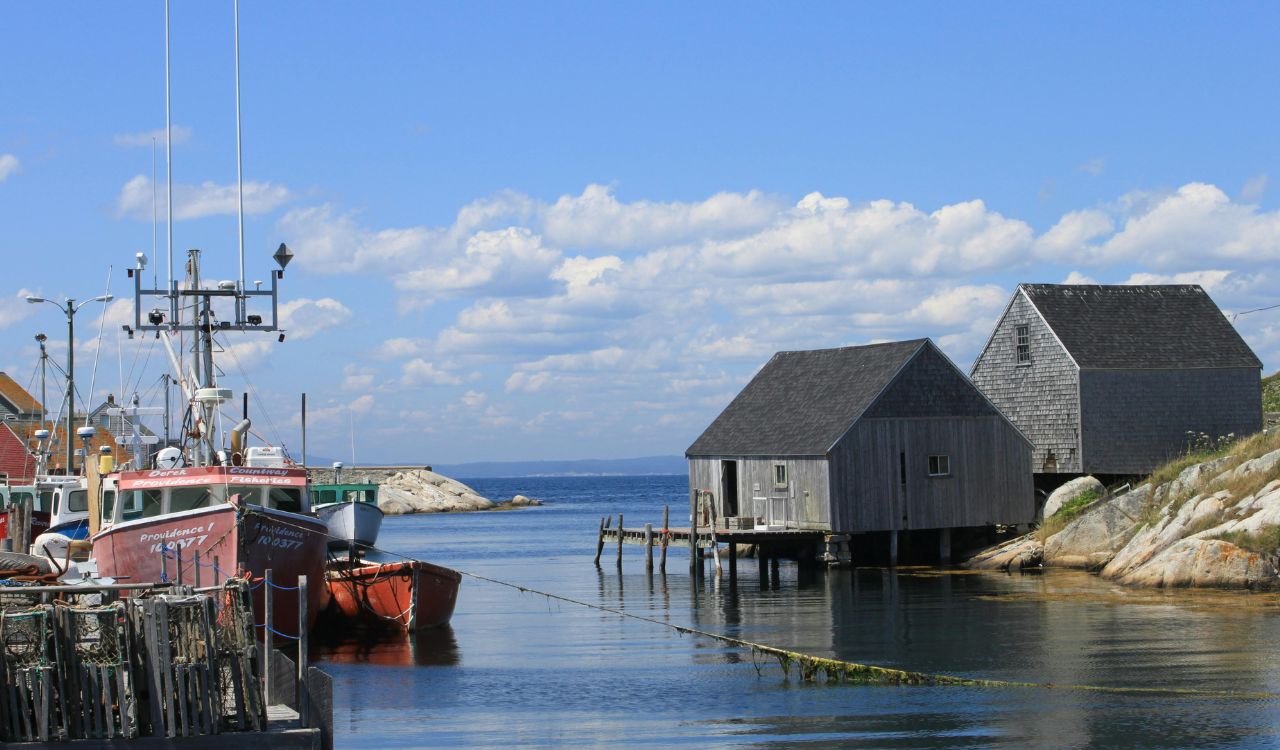
Petersburg, nicknamed “Little Norway,” reflects its Scandinavian roots in colorful houses and community festivals. Located on Mitkof Island, it’s surrounded by rich fishing grounds that sustain its economy. Accessible only by plane or ferry, Petersburg remains largely untouched by mass tourism. Visitors can enjoy small-town hospitality, spot humpback whales in Frederick Sound, or explore LeConte Glacier, the southernmost tidewater glacier in the Northern Hemisphere.
Cordova
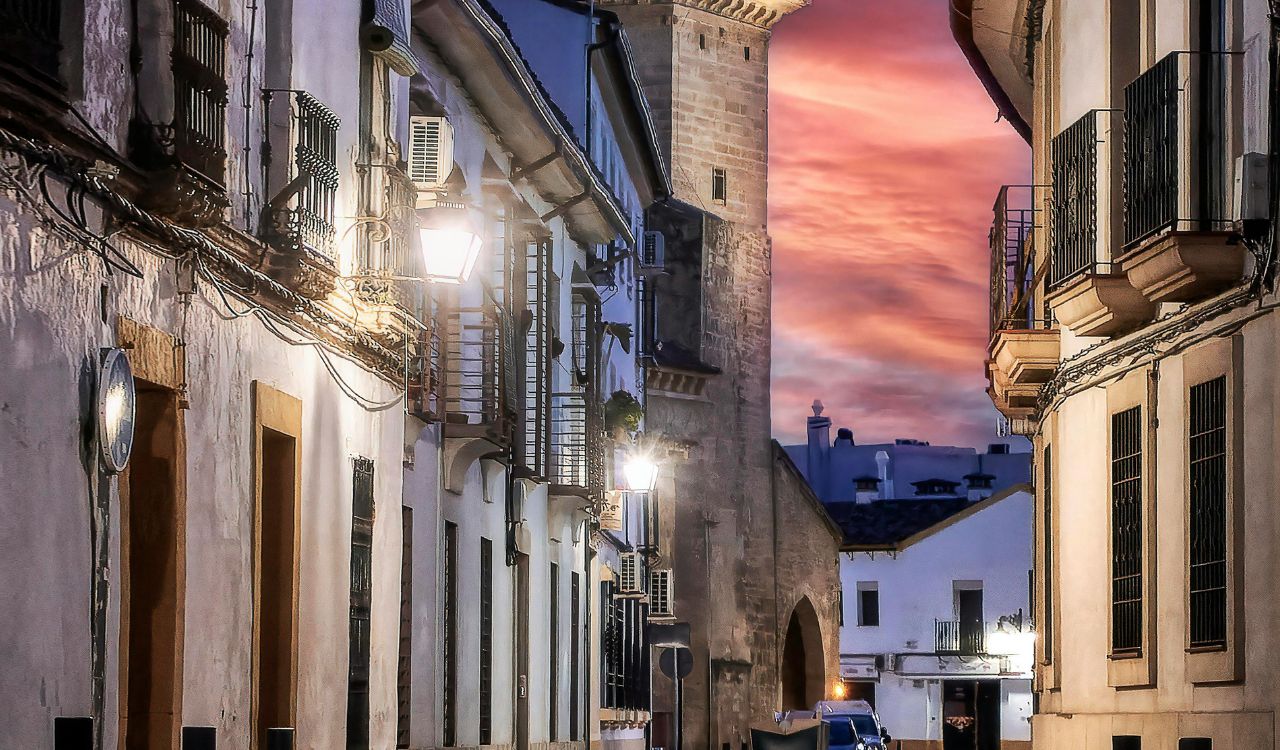
Cordova sits on Prince William Sound, far from Alaska’s road network, and is known for producing some of the best Copper River salmon in the world. Fishing is the heartbeat of the community, and visitors can watch boats unload fresh catches or try their luck on the water. The town is accessible via ferry from Valdez or by plane from Anchorage. Nearby, the Copper River Delta offers prime bird-watching, particularly during the annual shorebird migration.
Sitka
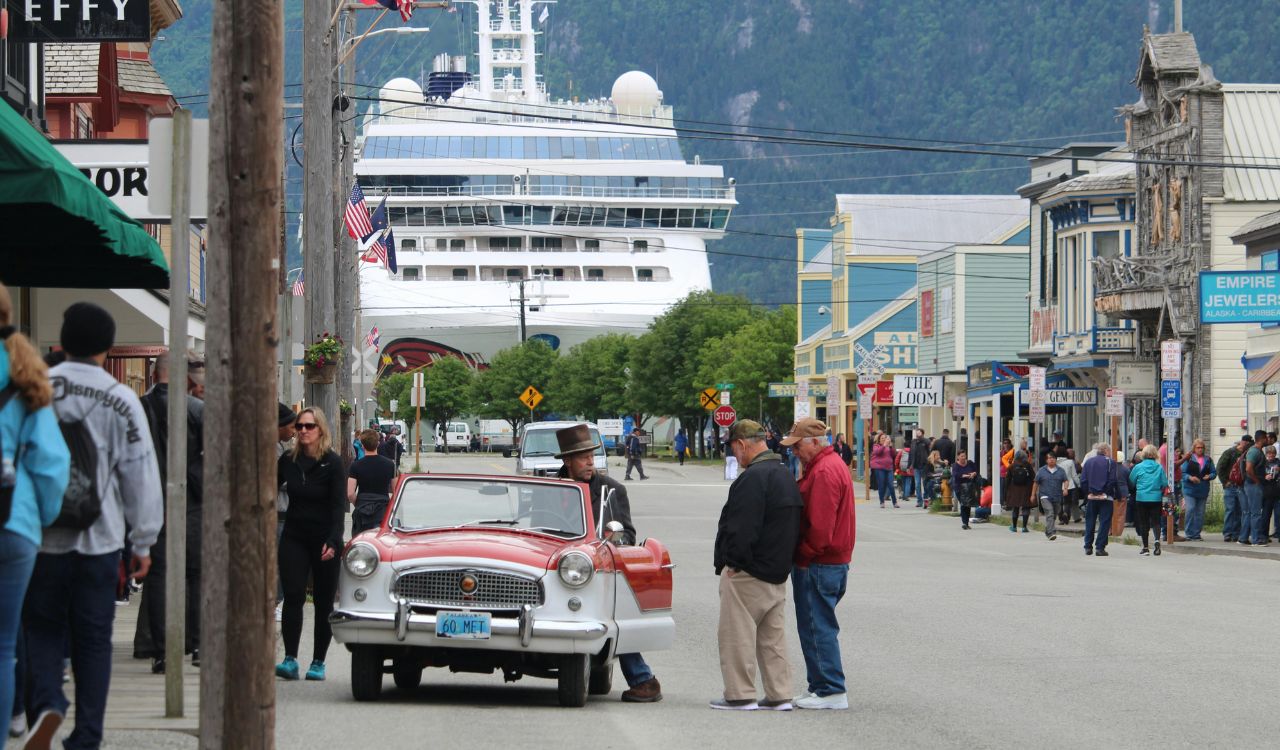
Once the capital of Russian America, Sitka blends rich history with wild beauty. Accessible only by air or sea, this small city is surrounded by rainforest, volcanoes, and the ocean. Visitors can explore Sitka National Historical Park, with its totem poles and cultural exhibits, or tour the Russian Bishop’s House. The nearby waters are prime for fishing, kayaking, and whale watching, while the surrounding wilderness offers incredible hiking opportunities.
Unalaska
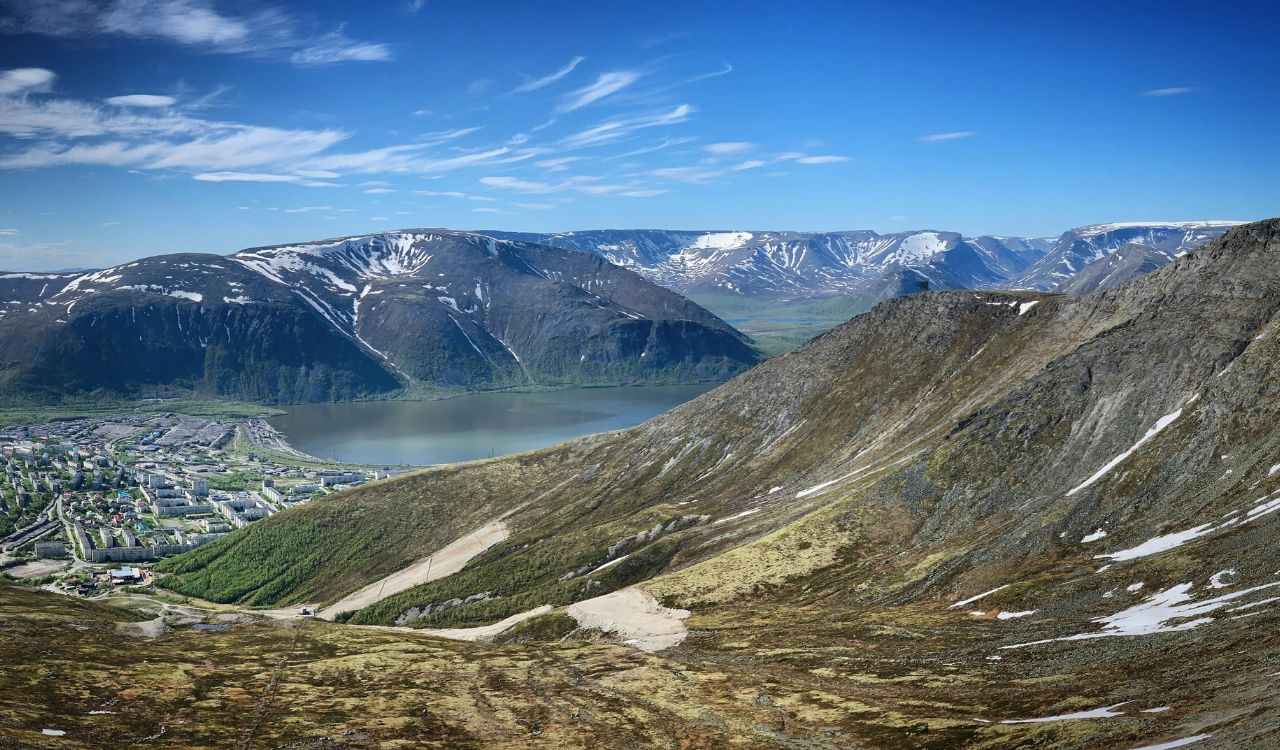
Located deep in the Aleutian Islands, Unalaska is one of the most remote towns in the United States. Known for its role in the fishing industry, particularly crab fishing made famous by “Deadliest Catch,” the community has a rugged charm. Access is by plane from Anchorage, often with dramatic views of volcanic peaks. Visitors can explore World War II history, hike windswept trails, and experience the strong Aleut culture that has thrived here for centuries.
Skagway
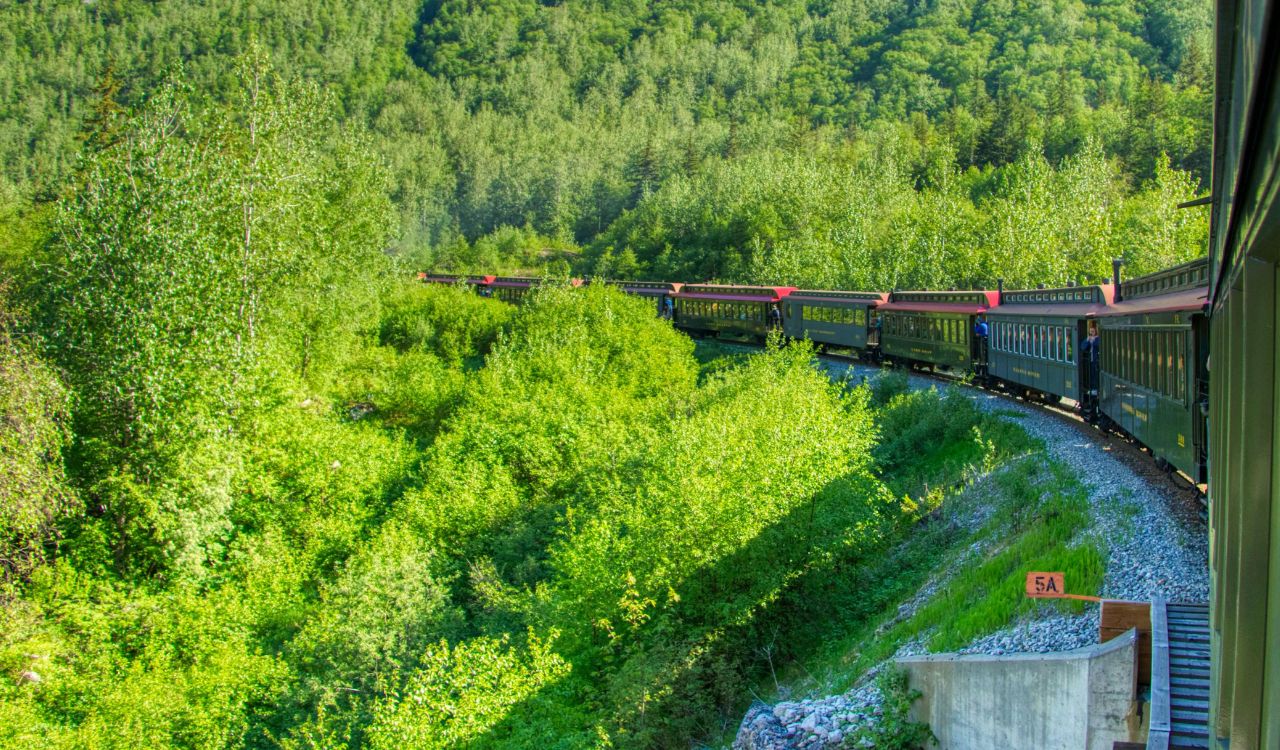
Skagway is a step back in time to Alaska’s Gold Rush era, with its well-preserved wooden storefronts and historic railroad. This small town is accessible by ferry or small plane and serves as a gateway to the scenic White Pass & Yukon Route Railway. Hiking trails lead into pristine wilderness, while guided tours bring the colorful stories of the 1898 gold seekers to life. In summer, cruise ships bring visitors, but the town still retains its frontier charm.
King Salmon
King Salmon, located on the Naknek River, is the gateway to Katmai National Park, famous for its brown bears fishing for salmon at Brooks Falls. The town is reachable only by air, typically via flights from Anchorage. Beyond bear viewing, King Salmon is a hub for sport fishing, wildlife photography, and remote wilderness adventures. Its isolation adds to the allure, offering a true taste of untamed Alaska for those willing to make the journey.