8 Countries Restricting Solo Female Camping Travelers Should Note
We may earn money or products from the companies mentioned in this post. This means if you click on the link and purchase the item, I will receive a small commission at no extra cost to you ... you're just helping re-supply our family's travel fund.
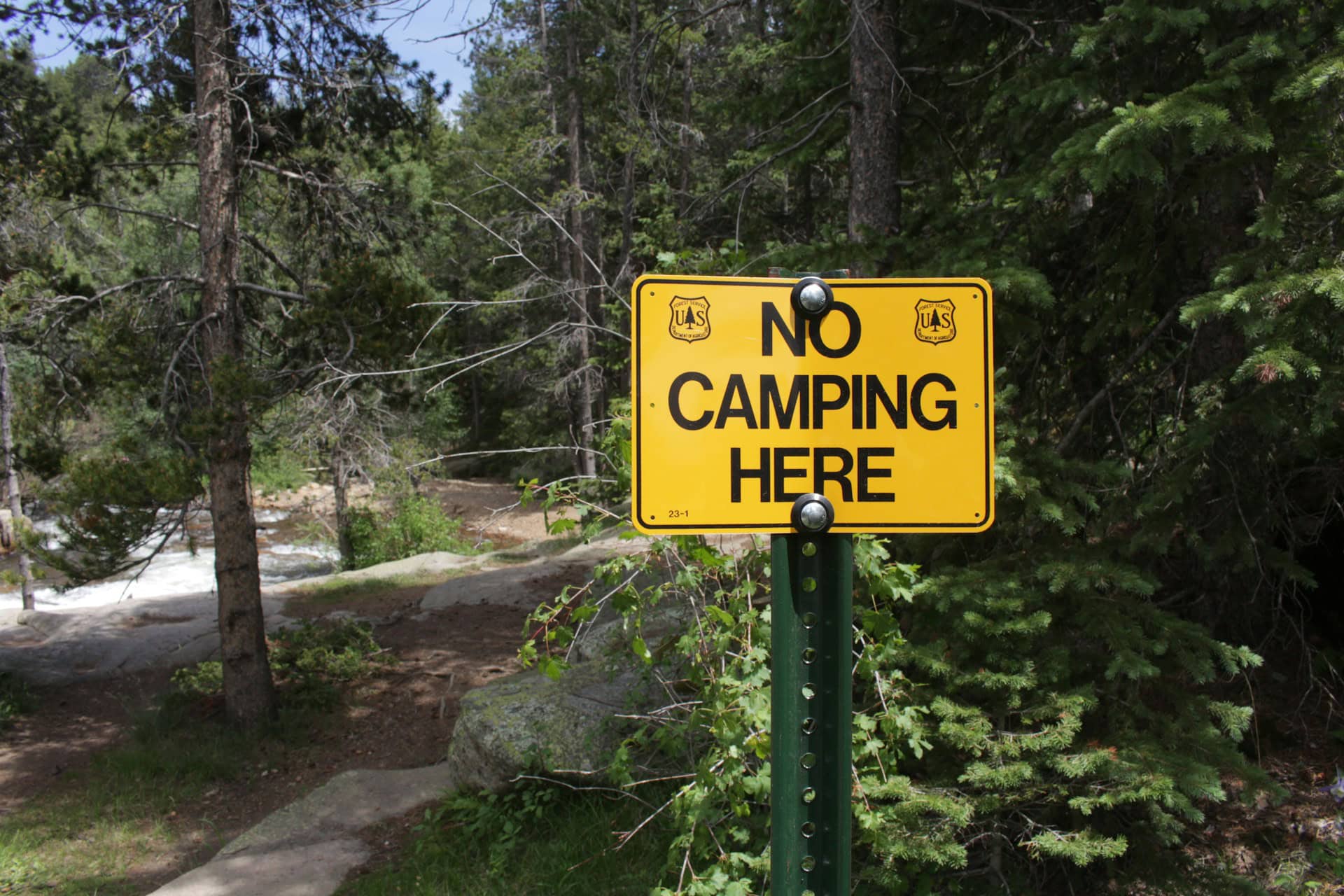
Camping rules live in the fine print. One region welcomes tents in signed zones; the next fines for a single stake in sand. Park bylaws, landowner rights, and seasonal closures layer into a maze that can trip up even careful plans. What helps is clarity before commitment. The entries below flag places where wild camping is broadly illegal or tightly managed, where permits, eligibility, or local practice narrow options. Good trips start with current rules and a backup bed.
Singapore

Camping concentrates in designated coastal parks and runs on permits managed by NParks. Applications require Singpass, a local address, and a minimum age of 16, which makes tourist approvals the exception. Stays are capped by monthly quotas and site limits, while nature reserves and offshore islands are off-limits without special consent. The model favors tidy weekend bivouacs over spontaneity. Expect patrols, clear signage, and neighbors who know the rules by heart.
United Arab Emirates

The desert calls, but paperwork answers. Multi-month camps near Dubai need approvals and fees; public beaches rotate no-camping zones across peak months. Protected areas add their own permits and fire restrictions, and each emirate writes separate guidance. Short overnights may be tolerated in remote places, yet enforcement spikes after storms, dune damage, or litter complaints. Plan like a local: ash pans, gray-water control, and a firm exit before crowds and wind.
Qatar

Camping here is a formal season, not an anytime hobby. Electronic registration, site quotas, and strict siting rules protect coastal dunes and gas corridors. Most permits sit with citizens aged 25 and up, backed by deposits and inspections. Foreign visitors typically camp through licensed operators or paid desert setups rather than pitching solo. Fines are real, and blacklists carry into future seasons. The result is tidy access with minimal improvisation.
Japan
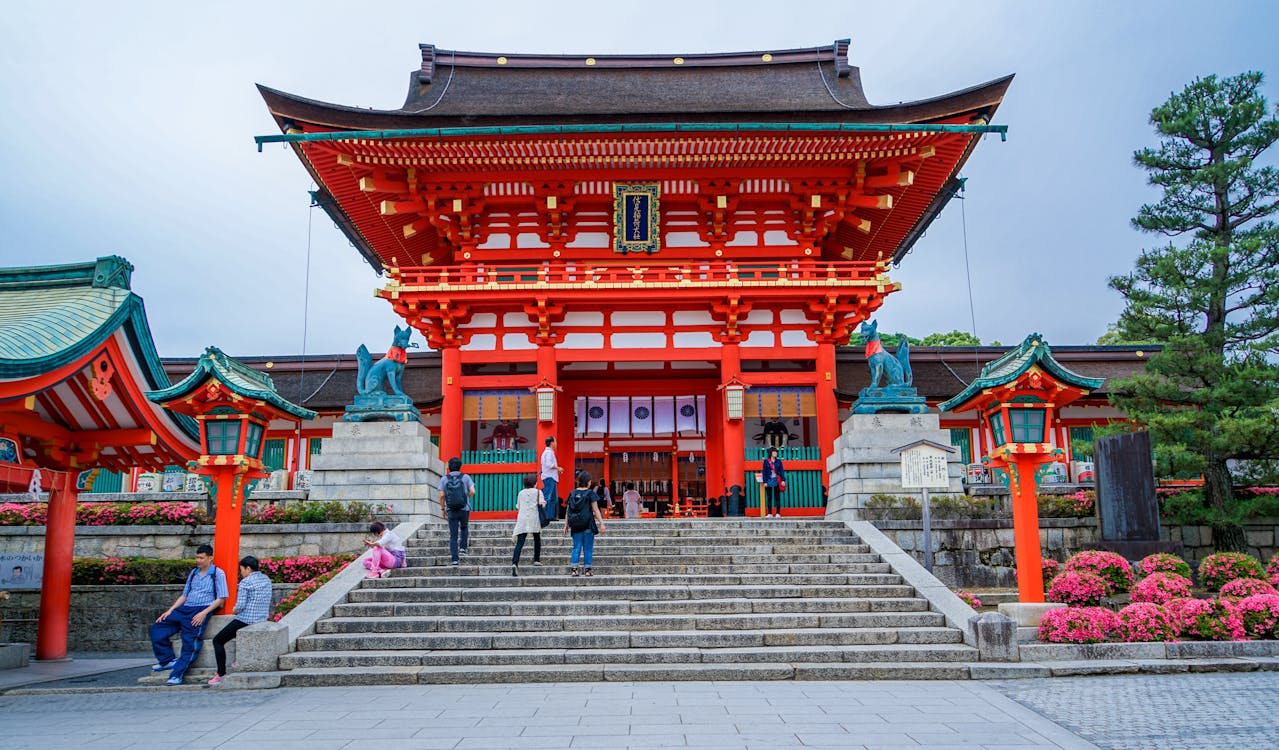
Outside marked campgrounds, a tent usually needs written permission from the landowner or managing agency. National and quasi-national parks treat unregulated bivouacs as violations, and local ordinances often bar tents in riverbeds, city parks, and trailheads. Fire rules are strict; stove use is posted or banned by season. The culture leans toward small, bookable sites, clean exits, and respect for silence. Wild camping exists, but as an uncommon, carefully negotiated exception.
Netherlands

Wild camping is illegal nationwide on public and private land. The old pole-camping network that once allowed minimal backcountry nights has been retired, and municipalities back the ban with clear fines. Legal options are licensed grounds, hikers’ cabins, and a few nature shelters reserve-only. Coastal dunes, heathlands, and bird areas see the firmest enforcement, especially in spring and summer. The pay-off for planning is easy: spotless facilities, good water, and quiet neighbors.
Denmark
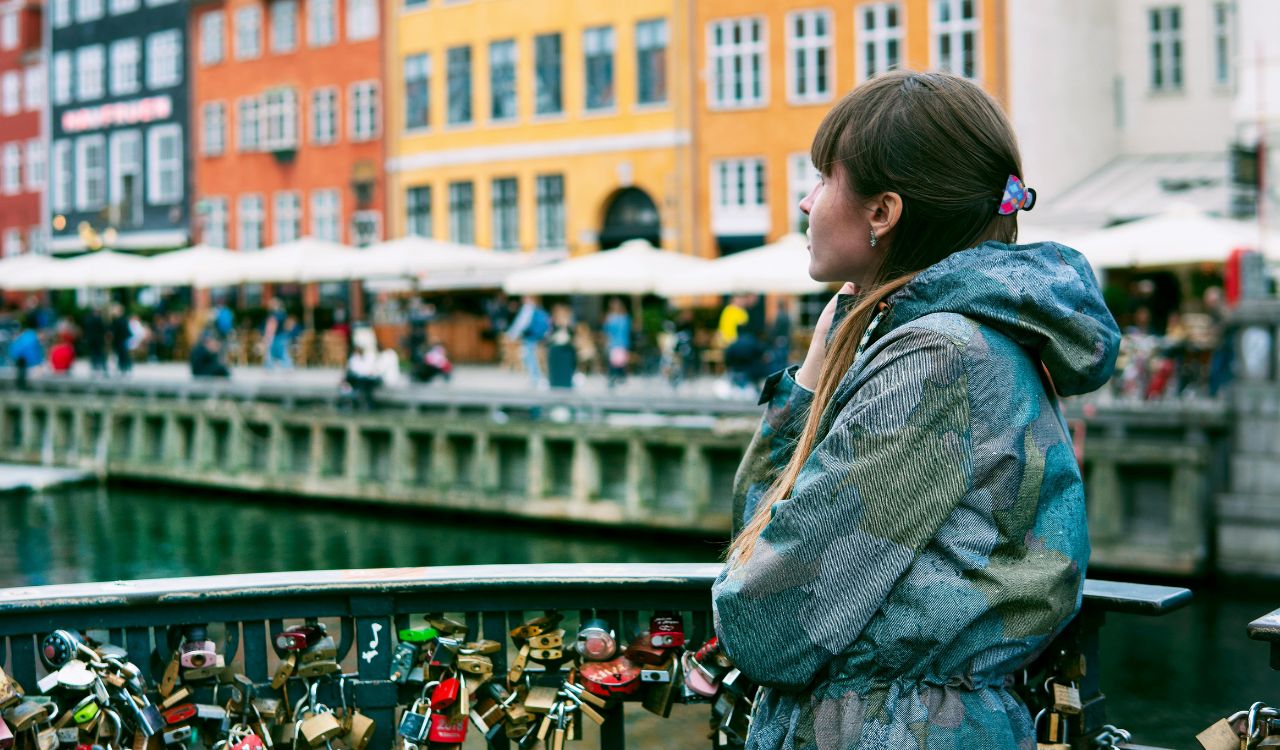
The default is no tents outside authorized areas. State forests post maps with designated zones for low-impact overnights, while a separate “sleep in the open” rule allows a bivy without a tent in select woods. Fires follow tight guidance and may be banned during dry spells. Private farmland is off-limits without consent. The system rewards homework and small gear. Miss the sign, and the fine arrives faster than the weather changes.
England and Wales (UK)

Consent is the rule almost everywhere; land is mostly private even inside national parks. Dartmoor is the exception: mapped commons allow backpack camping on a leave-no-trace basis with limits on group size and nights. Elsewhere, pitching is civil trespass and can be moved on quickly, especially along coasts and lakesides. Both countries separate walking access from camping rights. Read the map layers, check local bylaws, and treat dawn departures as good manners.
Greece
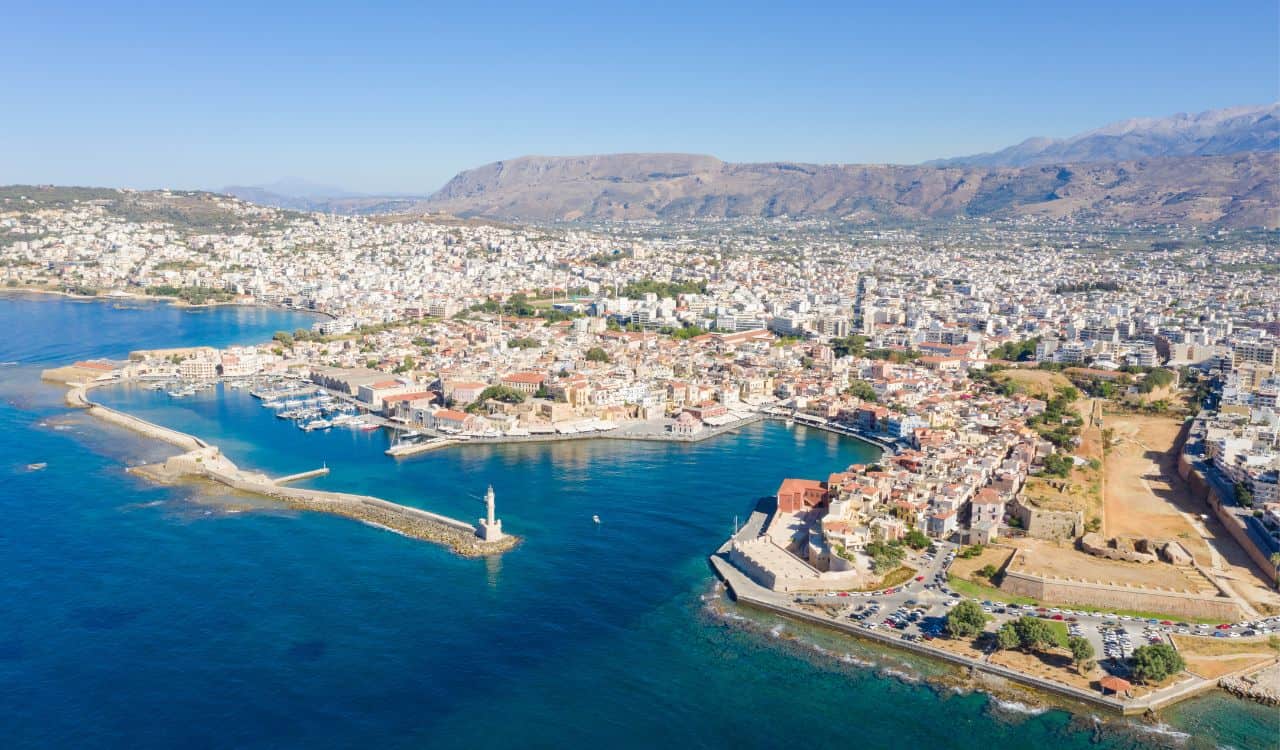
Wild camping is illegal and now enforced with sharper teeth. New measures extend no-camping zones across beaches, coastal margins, forest edges, archaeological sites, and many public spaces. Fines often start near €300 and climb for repeat offenses or open flames. Authorities distinguish brief parking from camping behavior, but coolers, awnings, and stoves erase the distinction fast. Licensed campgrounds and private plots with clear permission keep the trip simple and legal.