11 Remote U.S. Towns Best Suited for Surviving a Grid Collapse
We may earn money or products from the companies mentioned in this post. This means if you click on the link and purchase the item, I will receive a small commission at no extra cost to you ... you're just helping re-supply our family's travel fund.
Conversations about grid failure often sound dramatic, yet many remote American towns already live closer to that reality than most city neighborhoods. They rely on local food networks, small clinics instead of giant hospitals, and a culture where fixing things matters more than replacing them. If the lights went out for longer than a weekend storm, the places best positioned to cope would likely be communities that already balance isolation with cooperation. Survival there is less about bunkers and more about neighbors who know how to share work and skills.
Talkeetna, Alaska
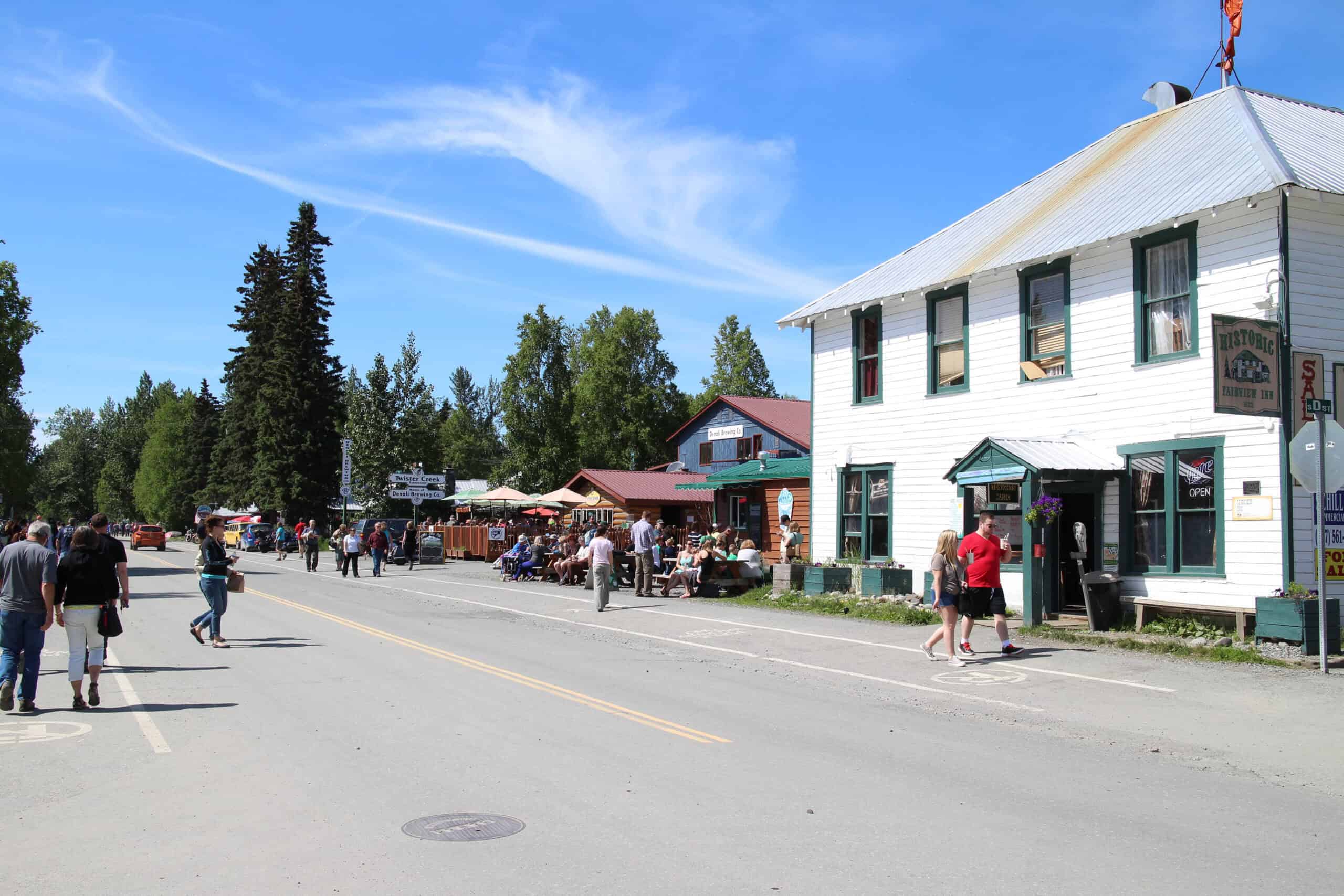
Talkeetna sits where Alaska’s road system thins and the backcountry begins. Many residents already rely on wood heat, wells, and stored supplies to get through long winters. Planes, rivers, and rough roads connect it to the wider world, but everyday life still leans on local knowledge and mutual aid. Hunters, guides, and lodge owners know how to stretch food and fuel when deliveries lag. In a grid crisis, that blend of self-reliance and community ties would matter more than any single piece of equipment.
Ely, Minnesota
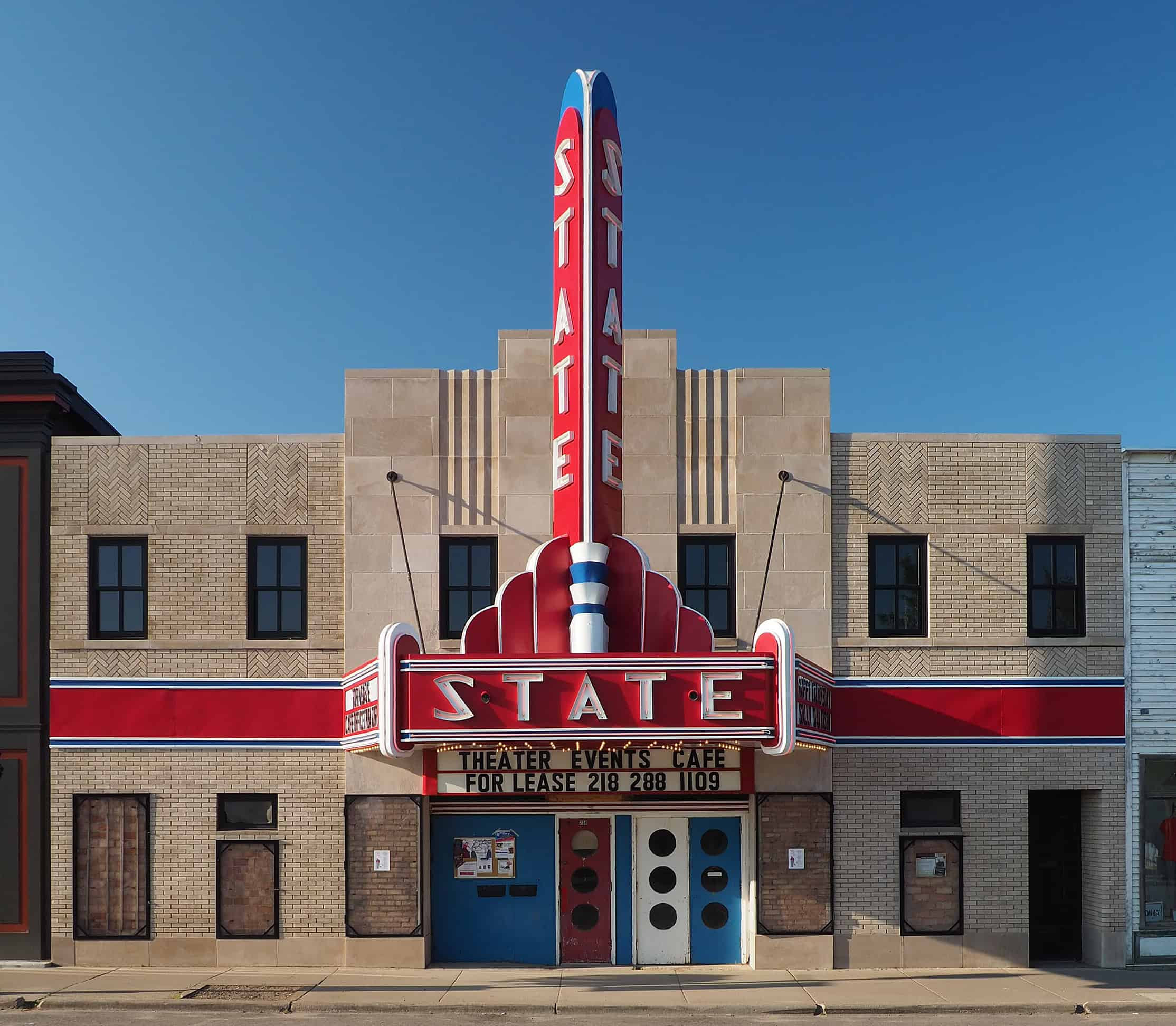
Ely serves as a gateway to the Boundary Waters, and that wilderness shapes how the town functions. Residents are used to harsh winters, limited cell coverage in nearby forests, and a culture that values practical skills. Many households already own generators, stored fuel, and fishing or hunting gear, not as doomsday props but as normal life tools. Local businesses and outfitters understand logistics in rough conditions. In a prolonged outage, the town’s small size and existing habit of preparing for storms would give it a head start.
Lander, Wyoming
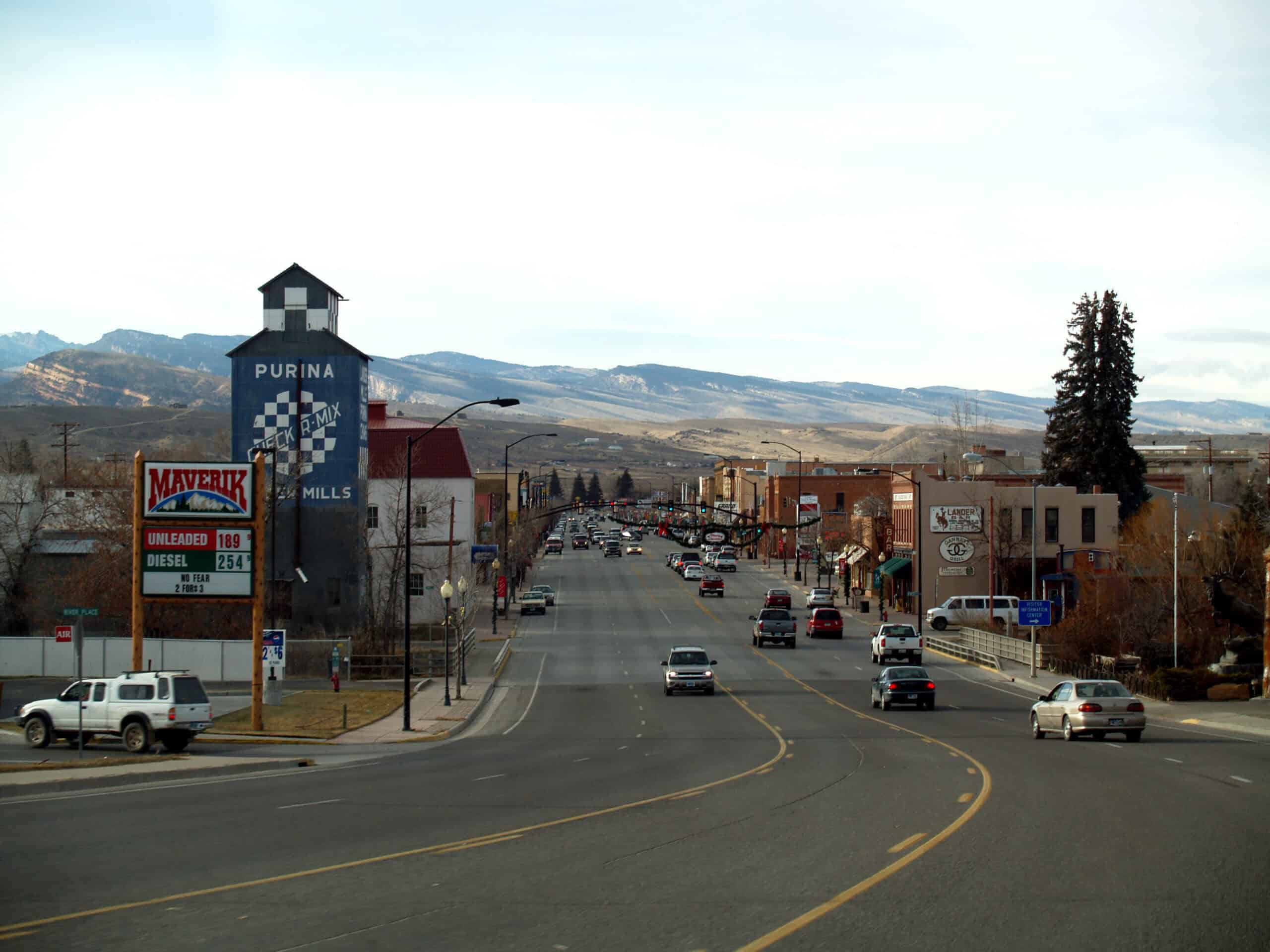
Lander sits at the edge of the Wind River Range with a population that mixes ranchers, tribal communities, climbers, and outdoor workers. Many homes rely at least partly on wood or propane, and gardens, freezers full of game, and sturdy trucks are common. The town is used to road closures and winter weather that can isolate neighborhoods. People already share tools, labor, and local knowledge to get through tough stretches. That social infrastructure, along with access to nearby rivers and open land, makes adaptation more realistic than panic.
Moab, Utah
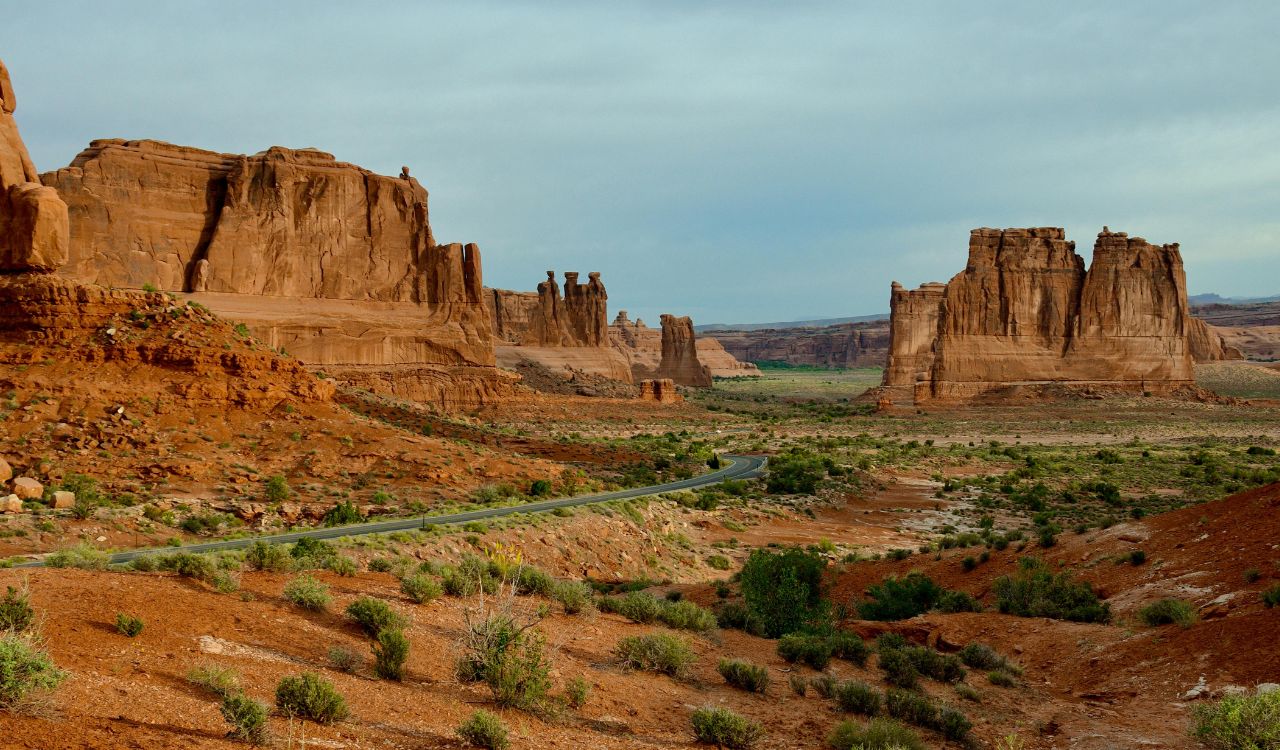
Moab is best known for tourism, but long-term residents know it as a desert town that has always had to think carefully about water, shade, and heat. Small-scale agriculture, local repair shops, and a culture of making old vehicles last create a base level of resilience. The town’s size, mild winters, and access to nearby canyons and river corridors give options for shelter and resource gathering. A grid collapse would be hard anywhere, but in Moab many people already understand how to live within environmental limits.
Sandpoint, Idaho
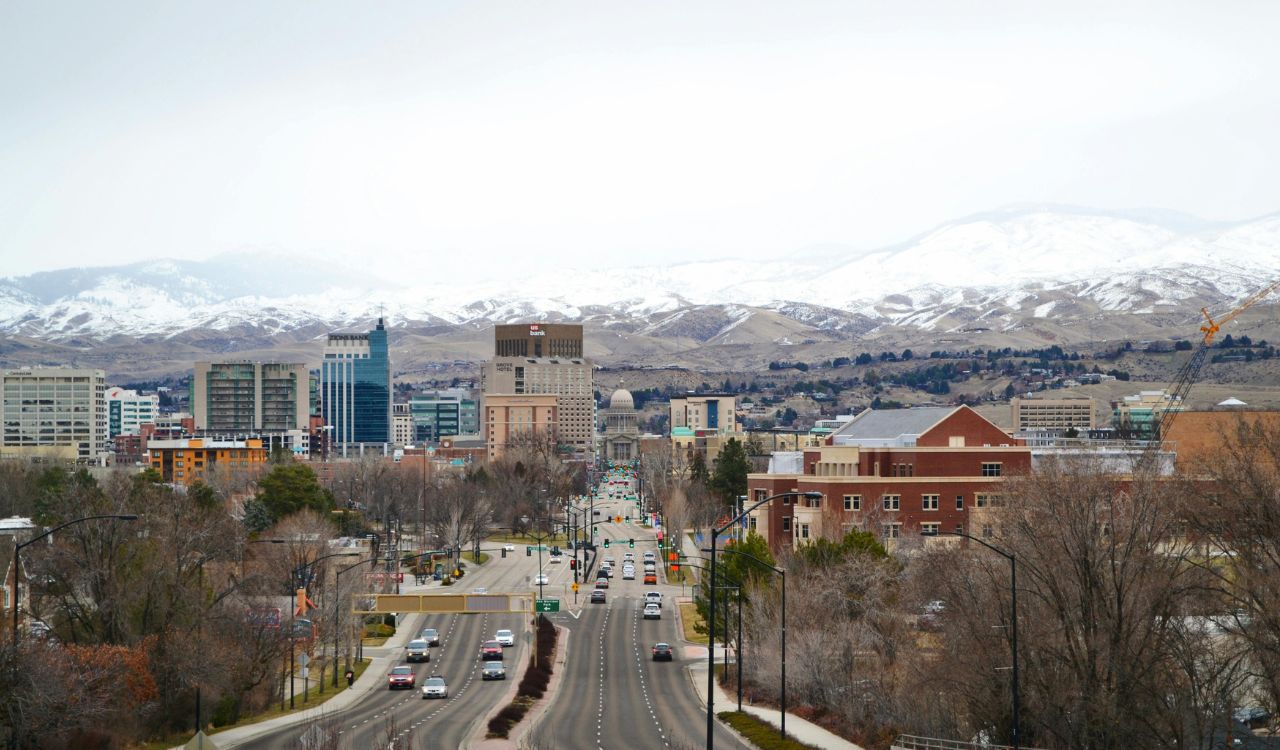
Sandpoint sits between mountains and a large lake, with forests and farmland in reach. Residents mix outdoor recreation with logging, small-scale agriculture, and trades that demand practical skill. Many properties have wood stoves, gardens, and backup heating, partly because winter storms are already serious. Local producers supply food that does not have to cross a continent to reach shelves. In a long crisis, that mix of nearby land, water, and existing local supply chains offers more options than a suburban cul-de-sac tied to distant warehouses.
Marfa, Texas
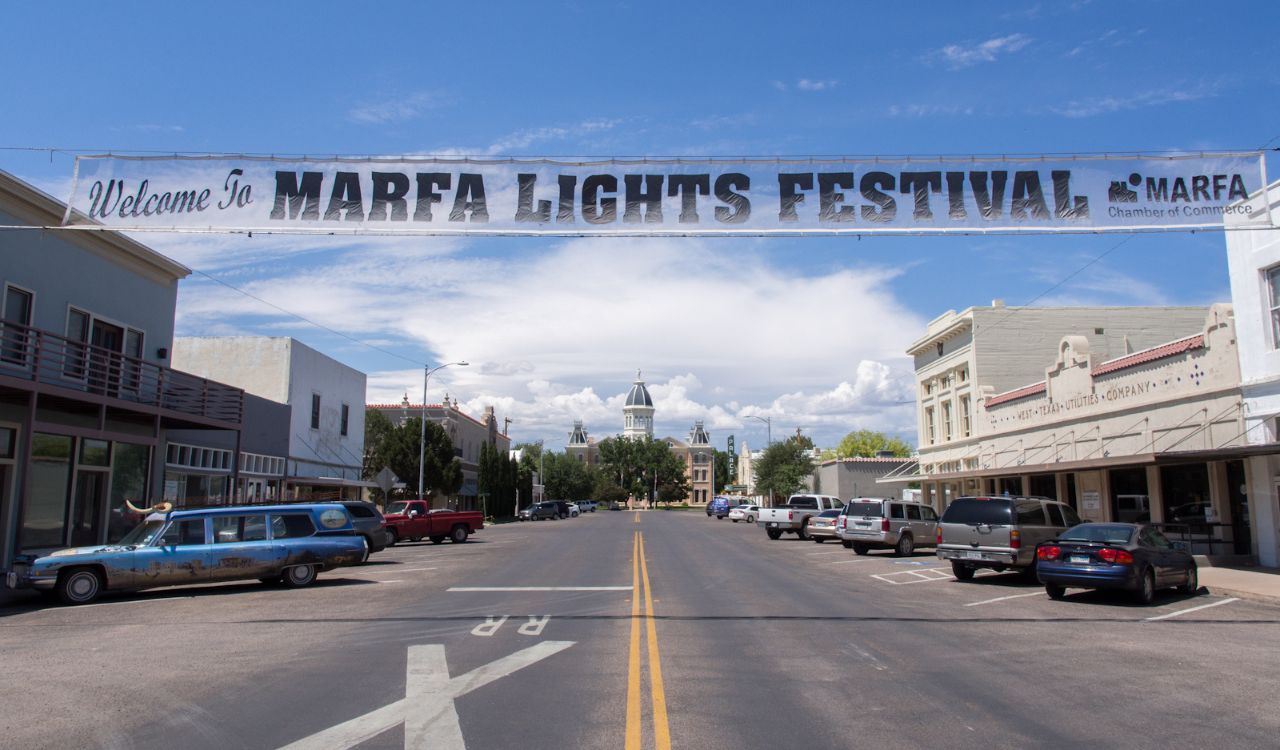
Marfa’s art scene gets most of the headlines, but under that layer lies a remote West Texas town accustomed to distance. Freight, food, and fuel already arrive on long supply lines, so residents think more carefully about storage and backup plans than many city dwellers. Sun is abundant, making small-scale solar a realistic supplement even when the wider grid struggles. Ranch country surrounding the town still feeds families with livestock and local know-how, offering a different kind of safety net than stacked high-rise apartments.
Silver City, New Mexico
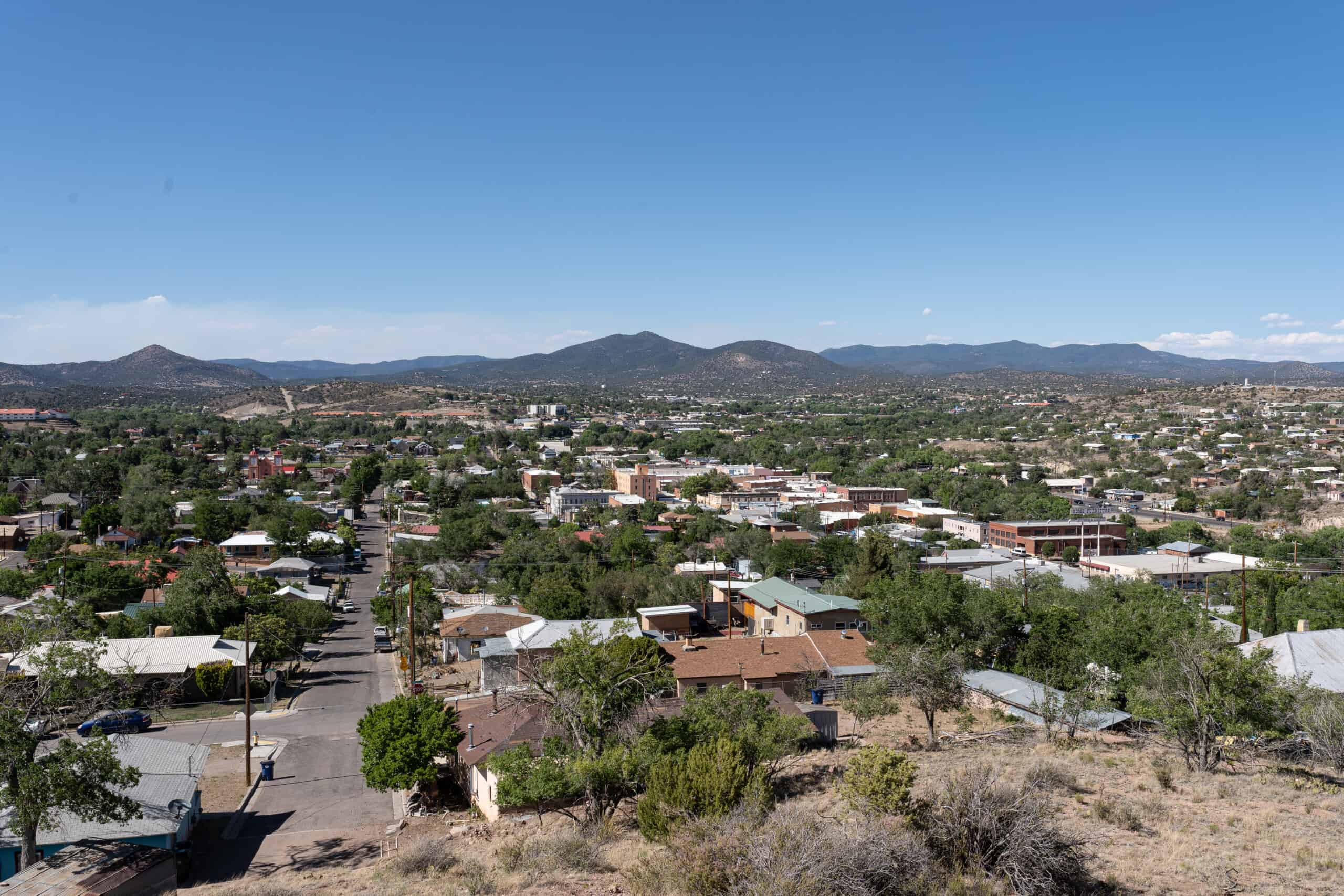
Silver City’s mining past left it with a culture of toughness and making do. The town sits at the edge of the Gila wilderness, where outdoor skills are part of daily life for many residents. Community gardens, local markets, and a modest but present medical system give it more depth than a tiny hamlet without services. Winters are manageable compared with northern states, and many older homes already use wood or gas backups. In a grid failure, the town’s size and mixed economy could help it bend instead of break.
Libby, Montana
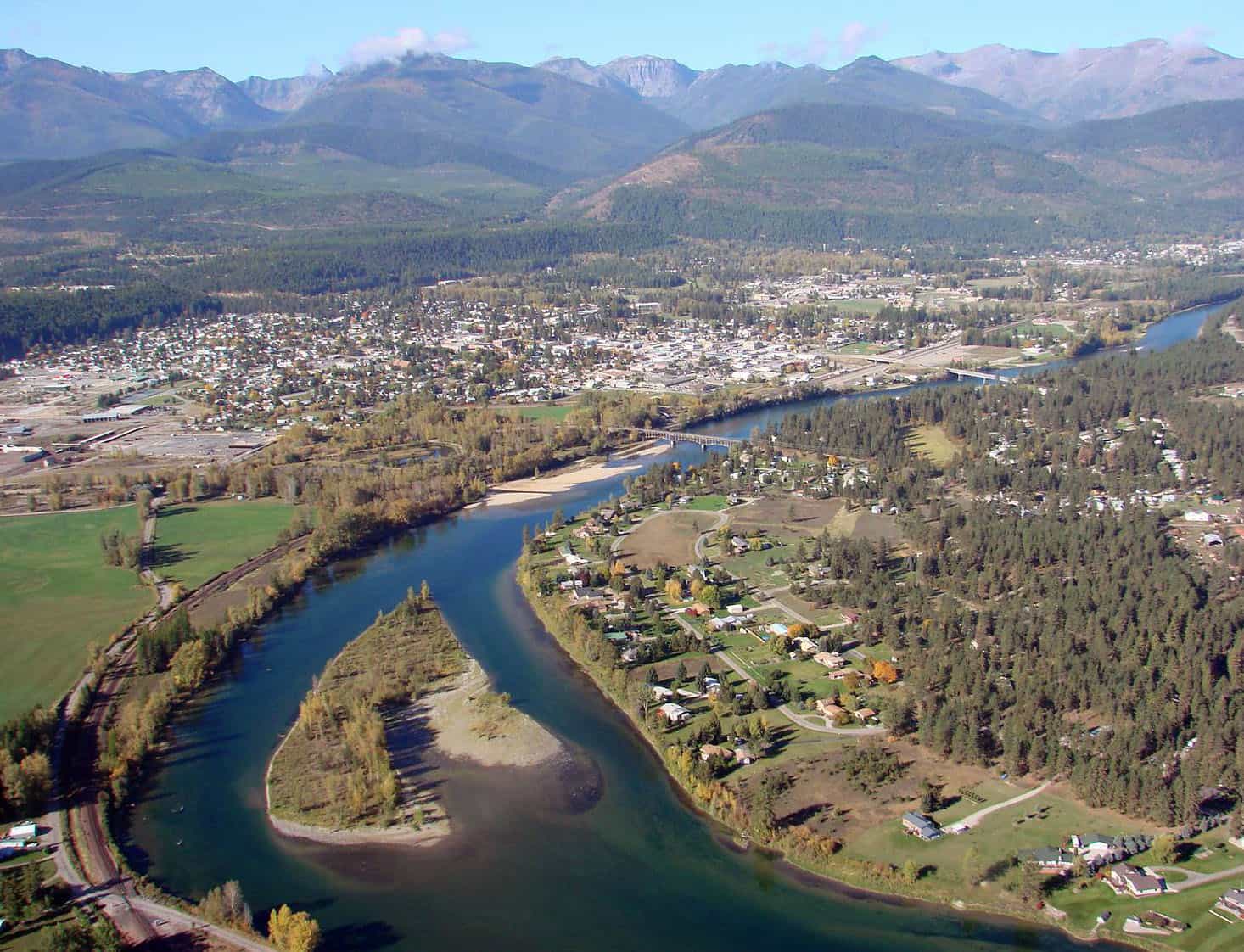
Libby lies in a forested valley, where hunting, fishing, and wood cutting are woven into everyday identity. Many residents process their own firewood, maintain wells or alternative water sources, and preserve food to handle long winters. The town is used to being far from major cities and already relies on local problem-solving when infrastructure falters. Neighbors often know one another by name, which makes coordinating help easier. Those social and environmental assets matter as much as any technical emergency plan when the power goes out.
Pinedale, Wyoming
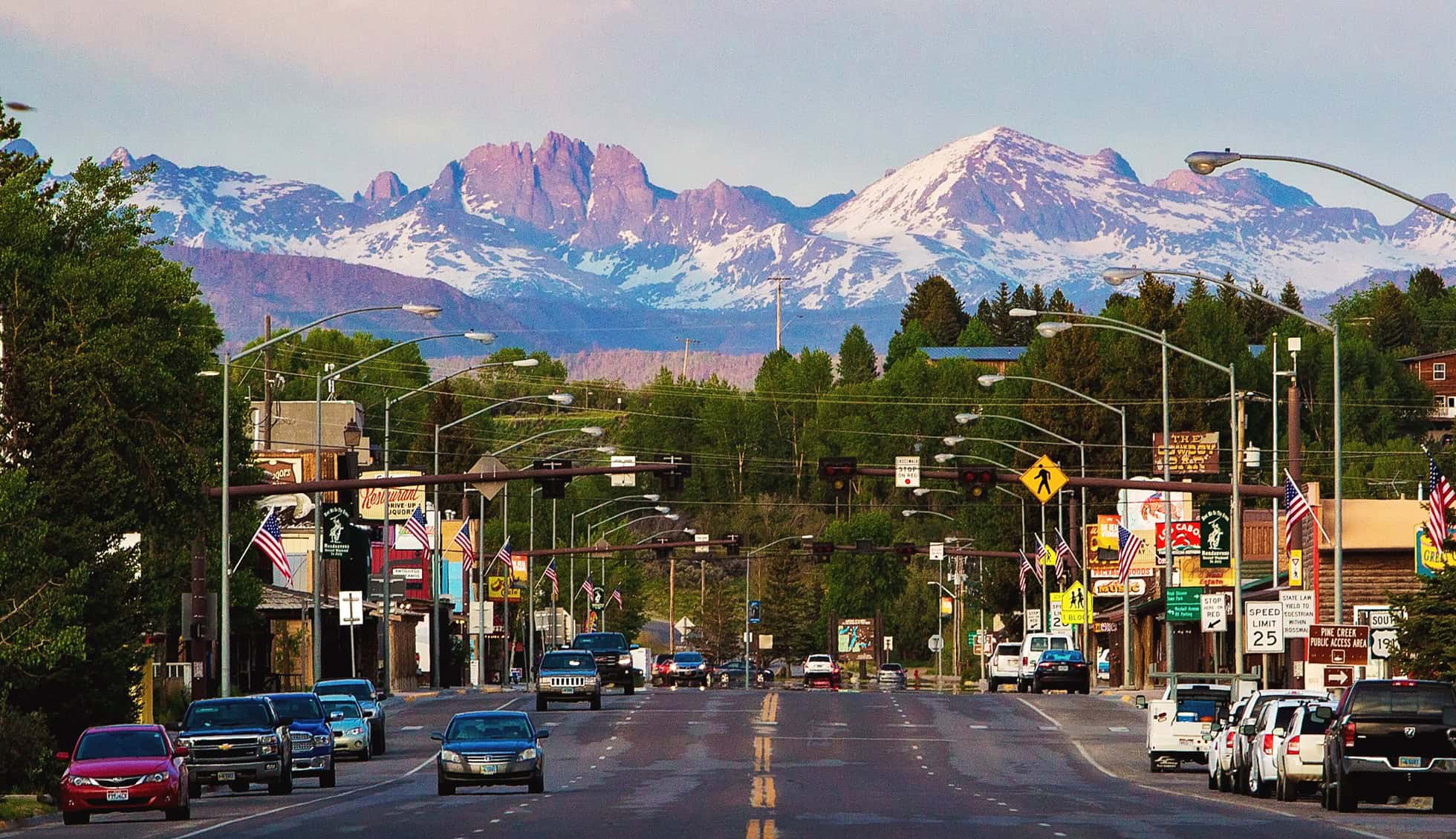
Pinedale’s motto could be summed up as “all the civilization needed,” and locals often talk about living at the edge of the wild. Harsh winters, high elevation, and limited services mean that residents already treat stockpiled supplies and serious vehicles as necessities. Ranches and small businesses rely on each other when roads close or deliveries slip. Access to water, fuel, and nearby livestock gives the town practical options in a drawn-out outage, while a small population reduces pressure on whatever systems remain.
Haines, Alaska
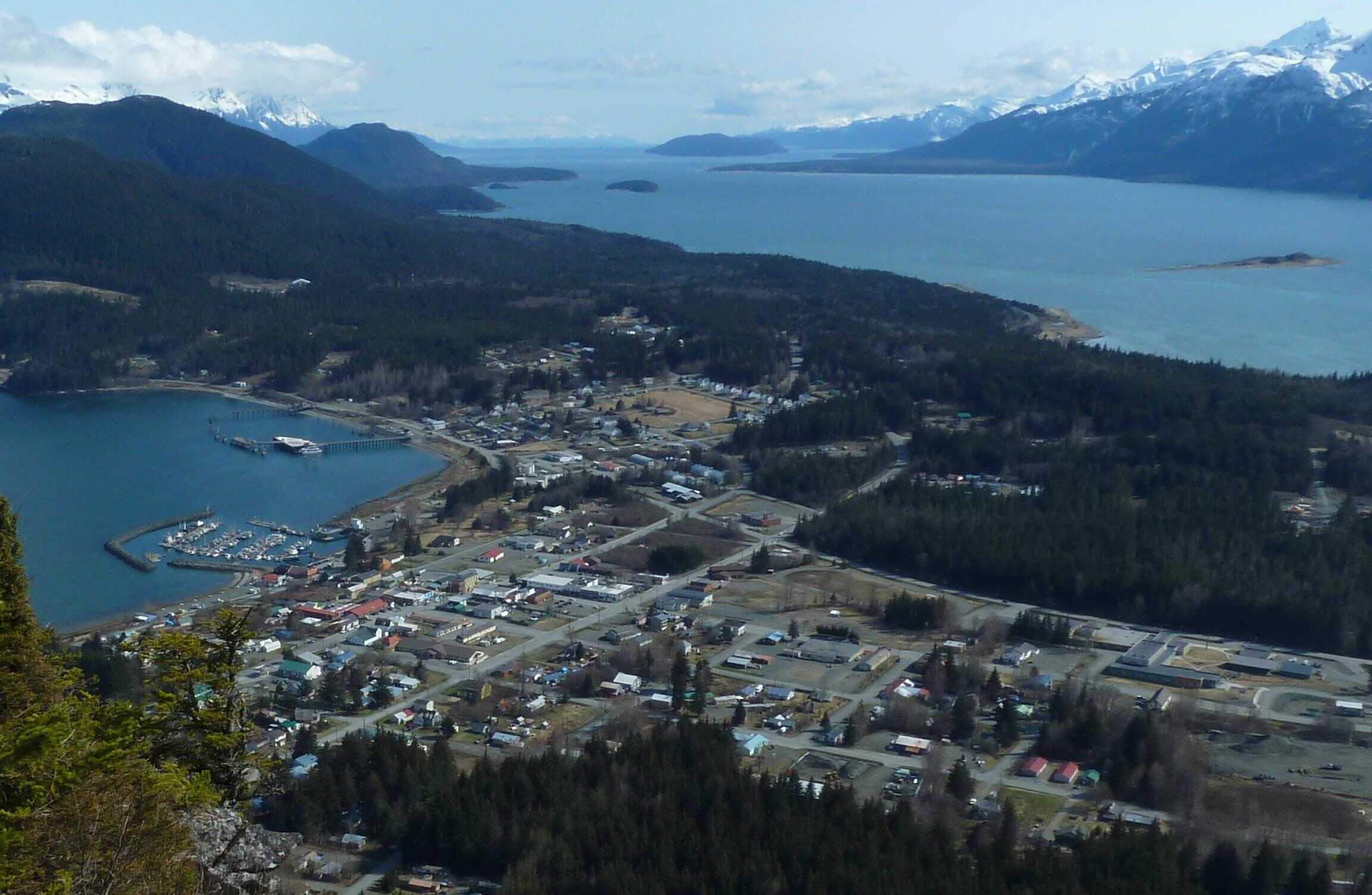
Haines sits wedged between mountains and sea, reachable by ferry, small planes, and a single road that can close in bad weather. Many households heat with wood, fish their own salmon, and keep pantries deep enough to ignore empty shelves for a while. The community has experience with storms and supply delays that would paralyze less isolated places. In a grid collapse, those habits, along with strong local networks and direct access to marine and forest resources, would make adaptation easier than in more plugged-in towns.
Montpelier, Vermont
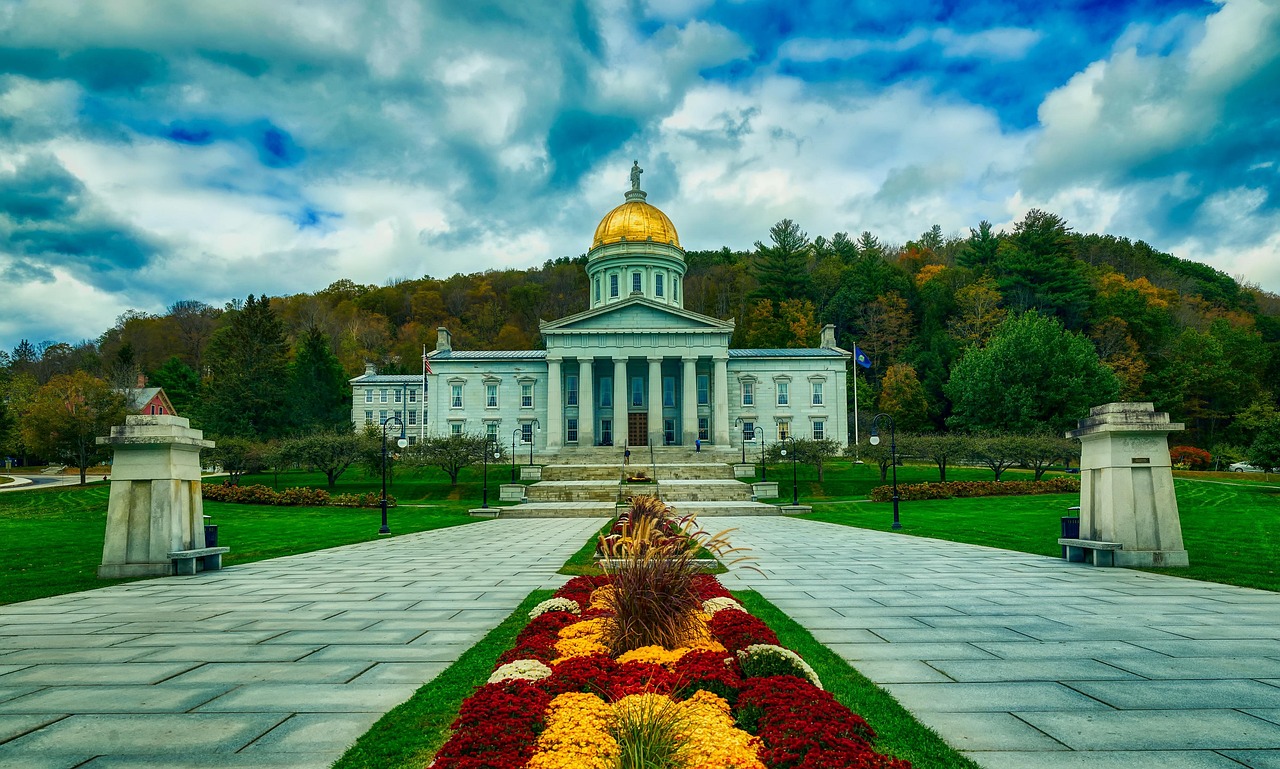
Montpelier is a small capital with a surprisingly strong local food and energy culture. Farmers’ markets, nearby dairy farms, and community-supported agriculture give it more local calories than many towns of similar size. Cold winters are a challenge, but wood heat, older walkable neighborhoods, and civic engagement help. Residents already organize around floods and storms, building trust that could carry into longer disruptions. While not as remote as some Western outposts, Montpelier’s combination of community-minded politics and practical rural surroundings is an unusual asset.